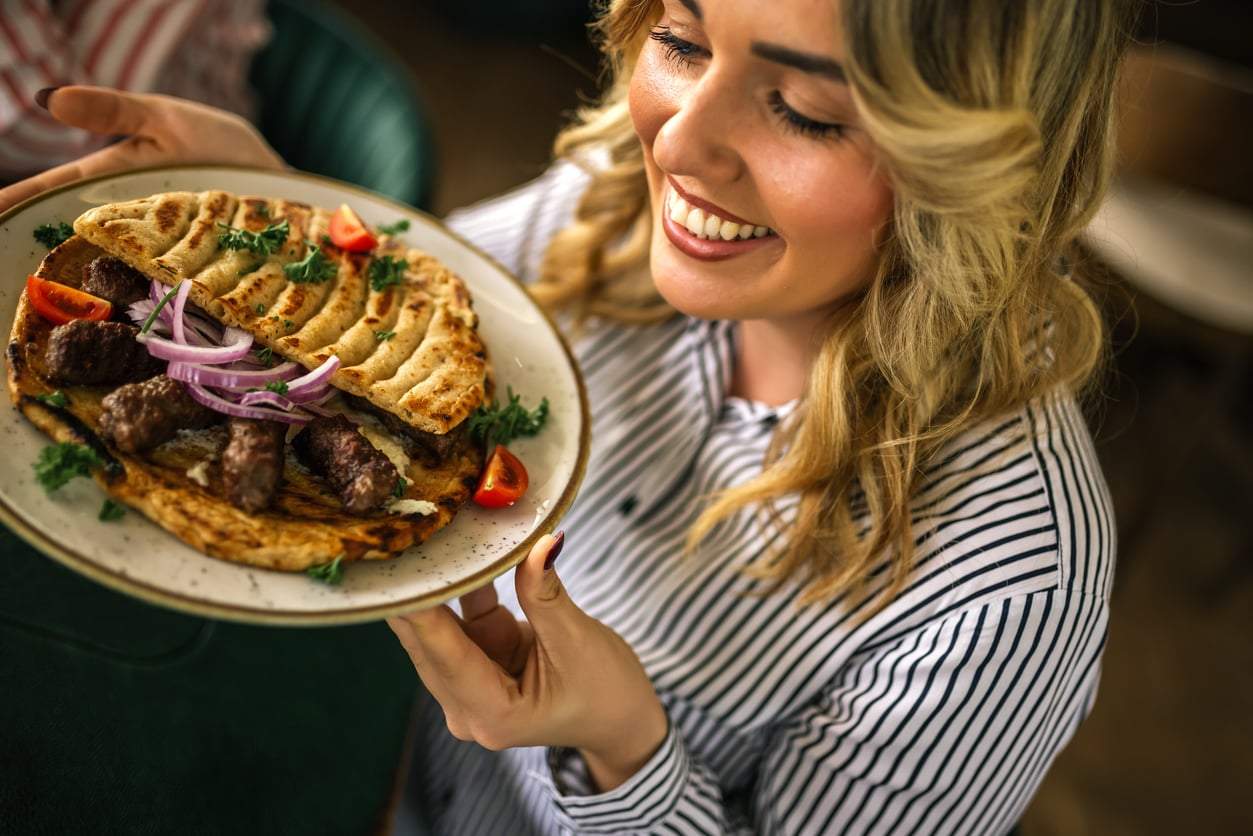
We’ve all felt the desire to lose a few pounds to feel better in our skin, yet belly fat often clings on stubbornly. The fat stored around our internal organs, known as visceral fat, isn’t just about looks—it seriously raises the risk of chronic conditions like type 2 diabetes and heart disease. The good news? With mindful choices, the carbs on your plate can actually help lower this risk.
It might sound surprising that carbs can play a role in reducing belly fat, but Parade consulted several dietitians who highlighted that certain types specifically support lowering visceral fat levels. Before diving into details, it’s key to understand why this fat is so concerning.
Why Is Visceral Fat Dangerous?
Visceral fat isn’t just stored energy—it’s metabolically active tissue surrounding your internal organs.
“Visceral fat isn’t passive. It’s like having a hormone-producing organ inside your body that increases inflammation and worsens insulin sensitivity,” explains dietetian Scott Keatley.
This type of fat tissue:
- can increase inflammation,
- impair insulin response,
- and negatively affect metabolism.
Dietitian Sonya Angelone adds: “Visceral fat lies deep in the abdominal cavity and isn’t the same as the subcutaneous fat you can pinch under your skin. That’s why someone can look slim on the outside but still have high visceral fat levels.”

3 Carb Sources That Can Help Reduce Visceral Fat
Let’s be clear: no single food will magically “burn” belly fat. “Visceral fat responds to your overall diet pattern—there are no miracle foods,” stresses dietetian Keri Gans.
Still, dietitians agree: swapping refined carbs for whole, less processed sources can significantly support visceral fat loss.
Here Are the Top Three Picks:
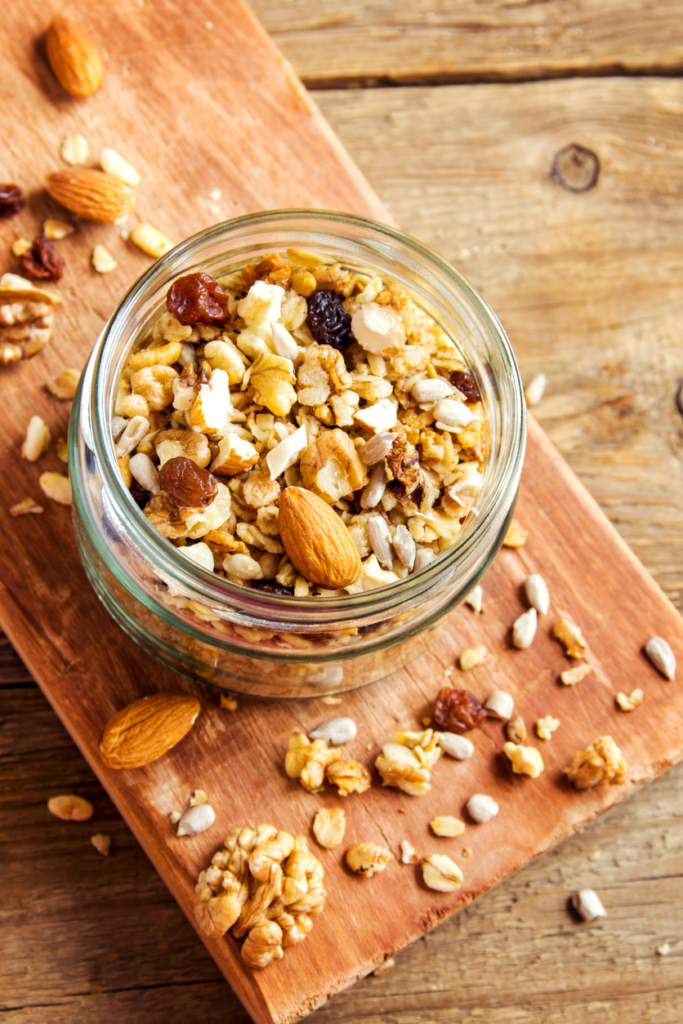
1. Whole Grains
The fiber in whole grains slows digestion, helps stabilize blood sugar swings, and keeps you feeling full longer. “The fiber structures flatten glucose spikes and improve insulin sensitivity,” says Keatley. This helps you consume fewer calories throughout the day and encourages your body to tap into fat stores.
Keri Gans recommends grains like:
- oats,
- barley,
- quinoa,
- and brown rice.
“Diets rich in whole grains consistently link to lower belly fat levels,” she adds.
2. Legumes
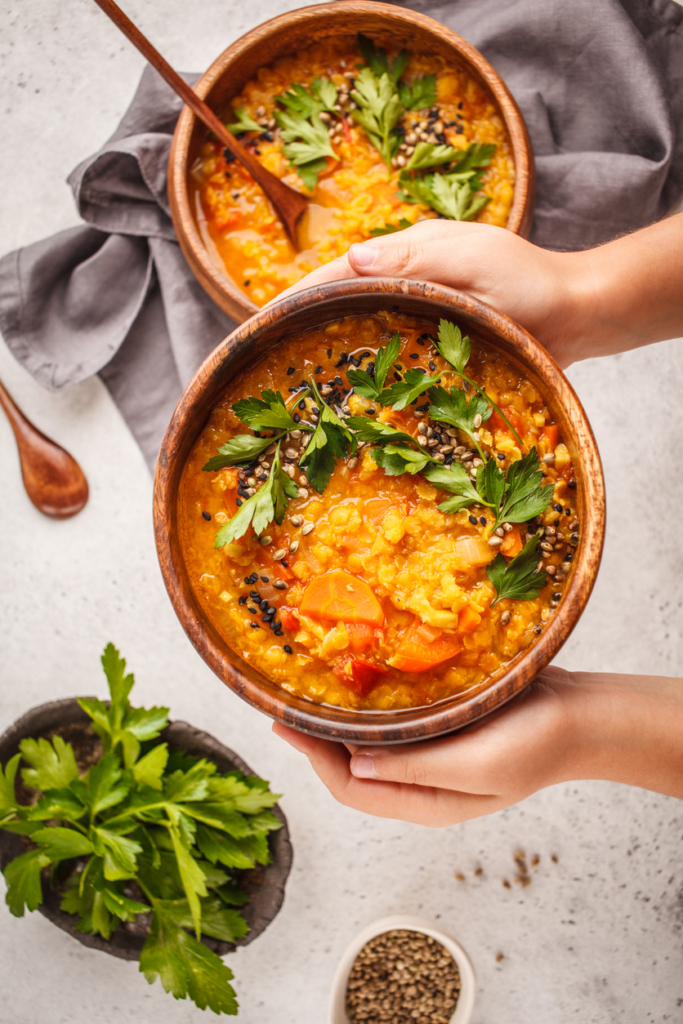
Beans, lentils, and chickpeas contain resistant starch and soluble fiber—both proven to reduce inflammation and improve insulin response.
“Legumes digest slowly, keeping you full for hours, which helps maintain a calorie deficit without feeling hungry,” says Keatley.
Gans points out that all three types are excellent choices for fighting visceral fat due to their high fiber and protein content.
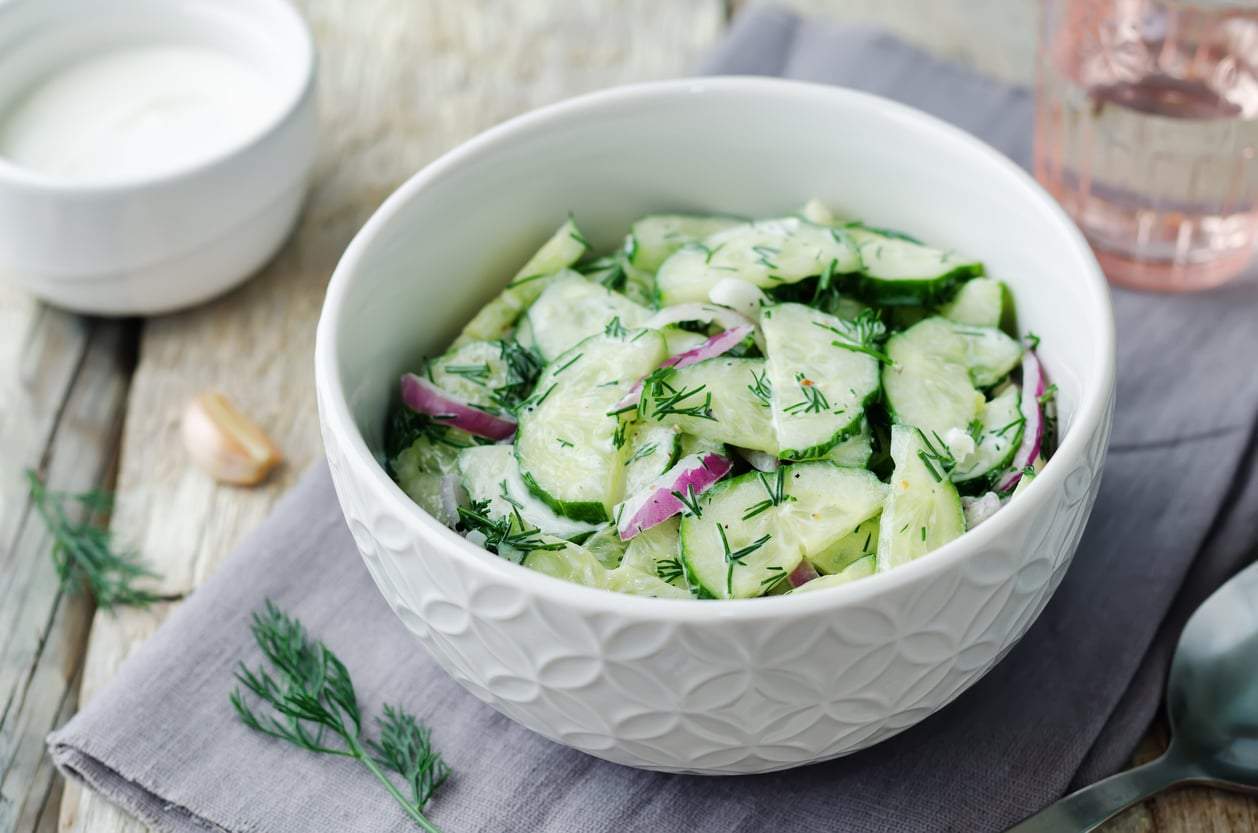
3. Non-Starchy Vegetables
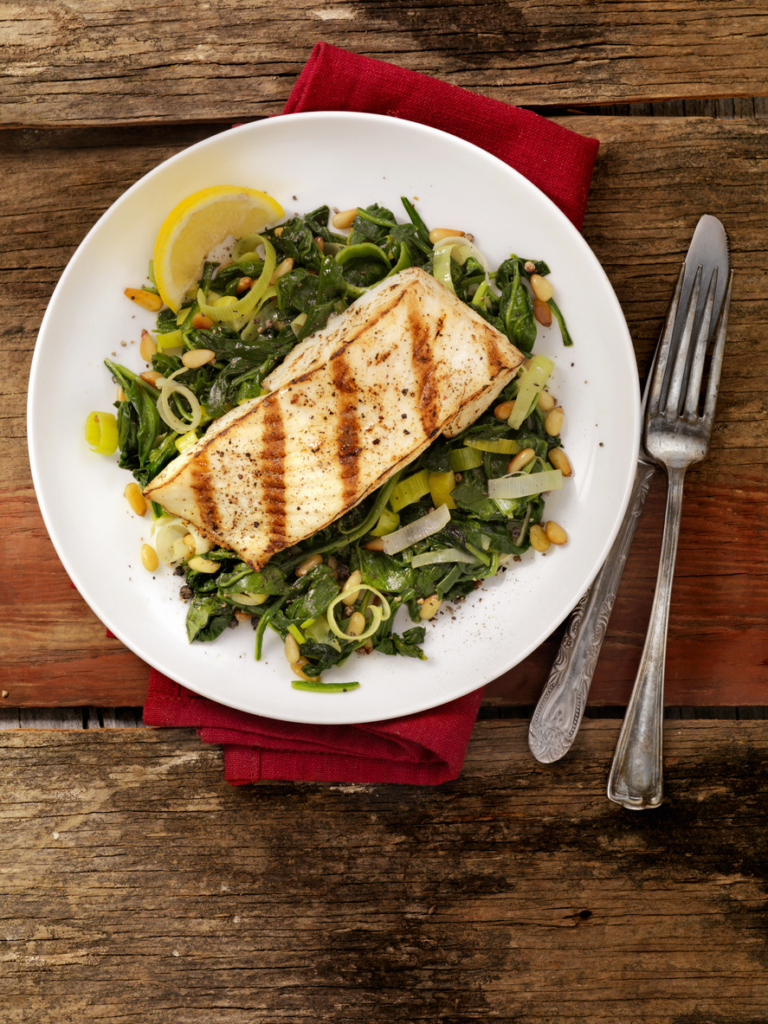
These veggies add volume to meals with few calories, while providing plenty of fiber and antioxidants.
“Fiber slows stomach emptying and triggers fullness sooner, naturally leading to smaller portions and steadier blood sugar,” explains Keatley.
Examples include:
- leafy greens like spinach and kale,
- and cruciferous veggies such as broccoli, cauliflower, and cabbage.
Their anti-inflammatory effects are especially valuable for reducing visceral fat.
What Other Foods Can Help?
Angelone suggests eating more foods rich in resistant starch. Interestingly, some foods have the most resistant starch when you:
- cook them,
- chill them overnight,
- then eat them cold or reheated.
Examples include:
- cooked then chilled rice,
- and chilled then reheated potatoes.
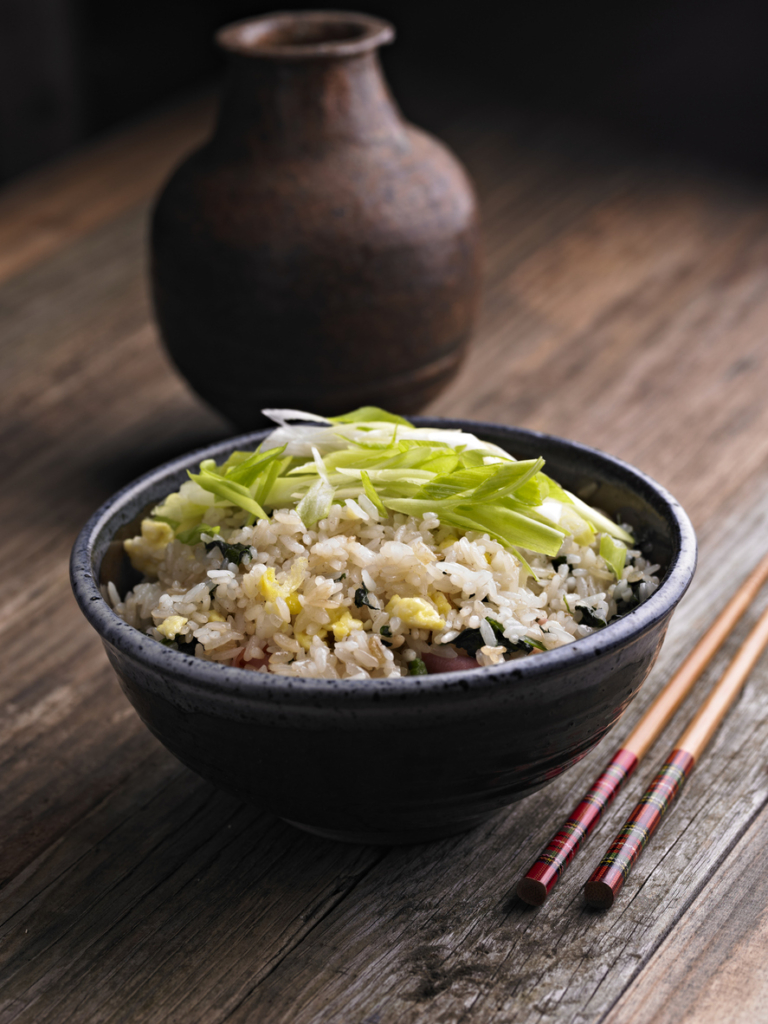
Resistant starch digests more slowly and raises blood sugar less.
Gans also highlights the role of fruit: “Fruits provide fiber, water, and antioxidants. The antioxidants can help reduce inflammation—which is key since high inflammation links to visceral fat.”
No Magic Fix
Dietitians agree that losing visceral fat is a complex process. “Visceral fat responds to the environment you create inside your body: how many calories you consume, how your insulin works, your inflammation levels, and how much you move,” says Keatley.
The key is:
- a consistent, balanced diet,
- prioritizing whole carbs,
- eating anti-inflammatory foods,
- and staying physically active regularly.

This combo encourages your body over time to start using visceral fat stores.