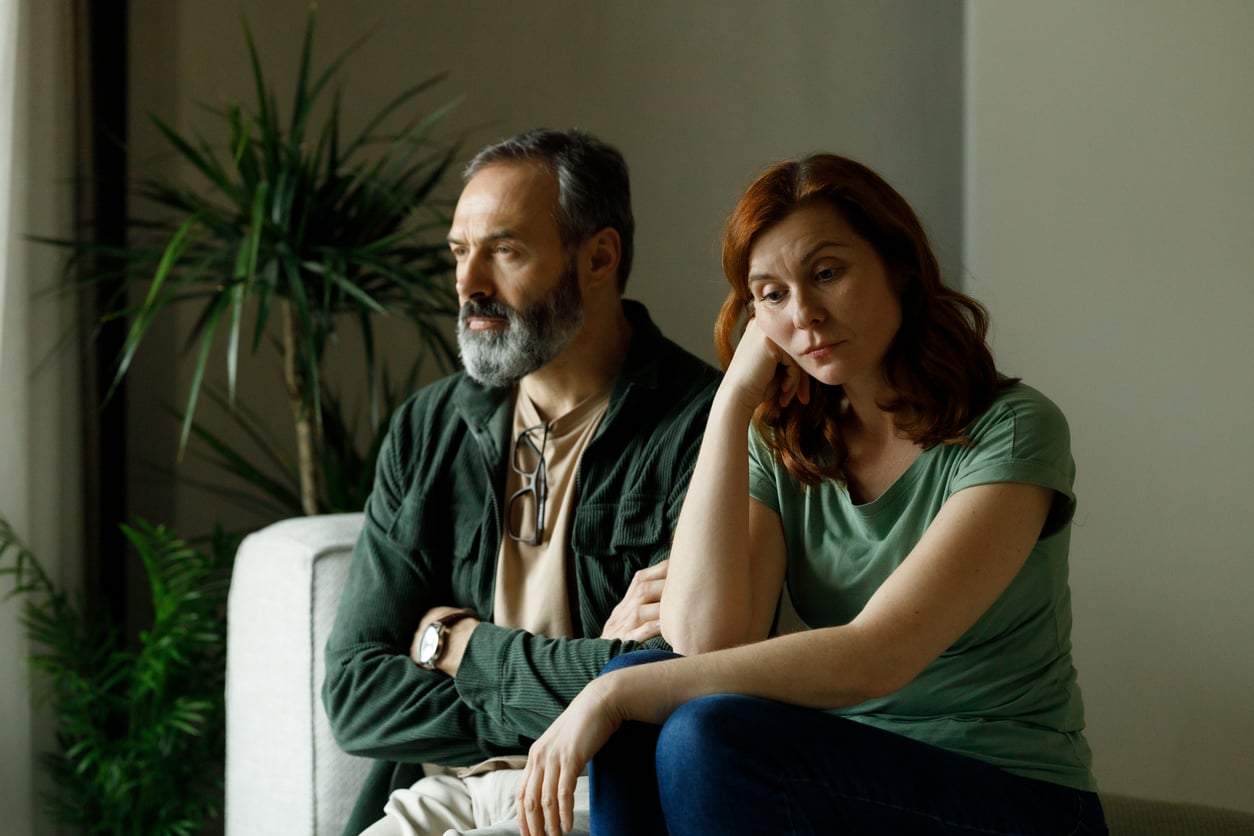
Early dating is a minefield of mixed signals. Every pause, every unanswered text, every moment of distance gets analyzed — and often misread. The truth is, men communicate very differently under uncertainty, and what looks like disinterest on the surface is frequently something far more human going on underneath.
Here are three signals men commonly send during the early stages of dating that women tend to misinterpret — and what they usually mean instead.
1. He goes quiet mid-conversation
When a man suddenly falls silent, many women instinctively assume something is wrong. Did he lose interest? Did she say something off? The automatic conclusion tends to be negative.
But for many men, silence isn't withdrawal — it's processing. Men often use quiet moments to gather their thoughts, work through emotions, or simply absorb what's happening. If he doesn't feel emotionally safe enough yet to articulate what's going on inside, silence becomes his default mode.
The takeaway: a quiet man isn't necessarily a checked-out man. He may just be someone who needs a moment before he can show up fully.
2. He stops initiating — or never really starts
This one stings. When a man doesn't reach out, doesn't suggest plans, or seems passive about moving things forward, it's easy to read it as indifference. Why would someone interested just… wait?
The answer is more common than most people realize: fear. Early dating triggers a lot of internal pressure for men — fear of rejection, fear of coming on too strong, fear of not being enough. What looks like passivity is often paralysis.
Low self-confidence, performance anxiety, or the weight of perceived expectations can all stop a man from making the first move — even when he genuinely wants to.
A male friend of mine described exactly this: he was deeply interested in someone but spent weeks frozen, unable to act on his feelings. The woman he was seeing interpreted his hesitation as a lack of investment. It wasn't until they had a direct, honest conversation that things finally clicked into place.
Passivity in early dating rarely means apathy. More often, it means someone is quietly battling their own doubts.
3. He holds back emotionally
Women tend to express feelings more openly and earlier in a relationship. Men, on average, take longer — and many hold back deliberately until they feel genuinely secure. This emotional restraint can easily come across as coldness or disengagement.
But behind that reserve is usually something more vulnerable: a fear of being too exposed, too soon. Past relationships that ended painfully can make a man cautious about showing his hand before he trusts the situation.
"Another client described how she almost walked away from a relationship because her partner seemed emotionally flat at the start. When they finally talked openly, she learned that he'd been badly hurt before and simply needed more time to feel safe enough to open up." — same psychologist friend
Emotional restraint in a man doesn't mean emotional absence. It often means he's protecting something real while he figures out whether it's safe to share it.
What actually helps
The common thread across all three of these signals is that they come from internal uncertainty, not external disinterest. Before drawing conclusions, it's worth asking — gently and directly — what's actually going on.
Understanding how insecurity shapes behavior in early relationships can completely change how you read the signals you're getting. Open communication and a little patience go a long way when two people are still figuring each other out.