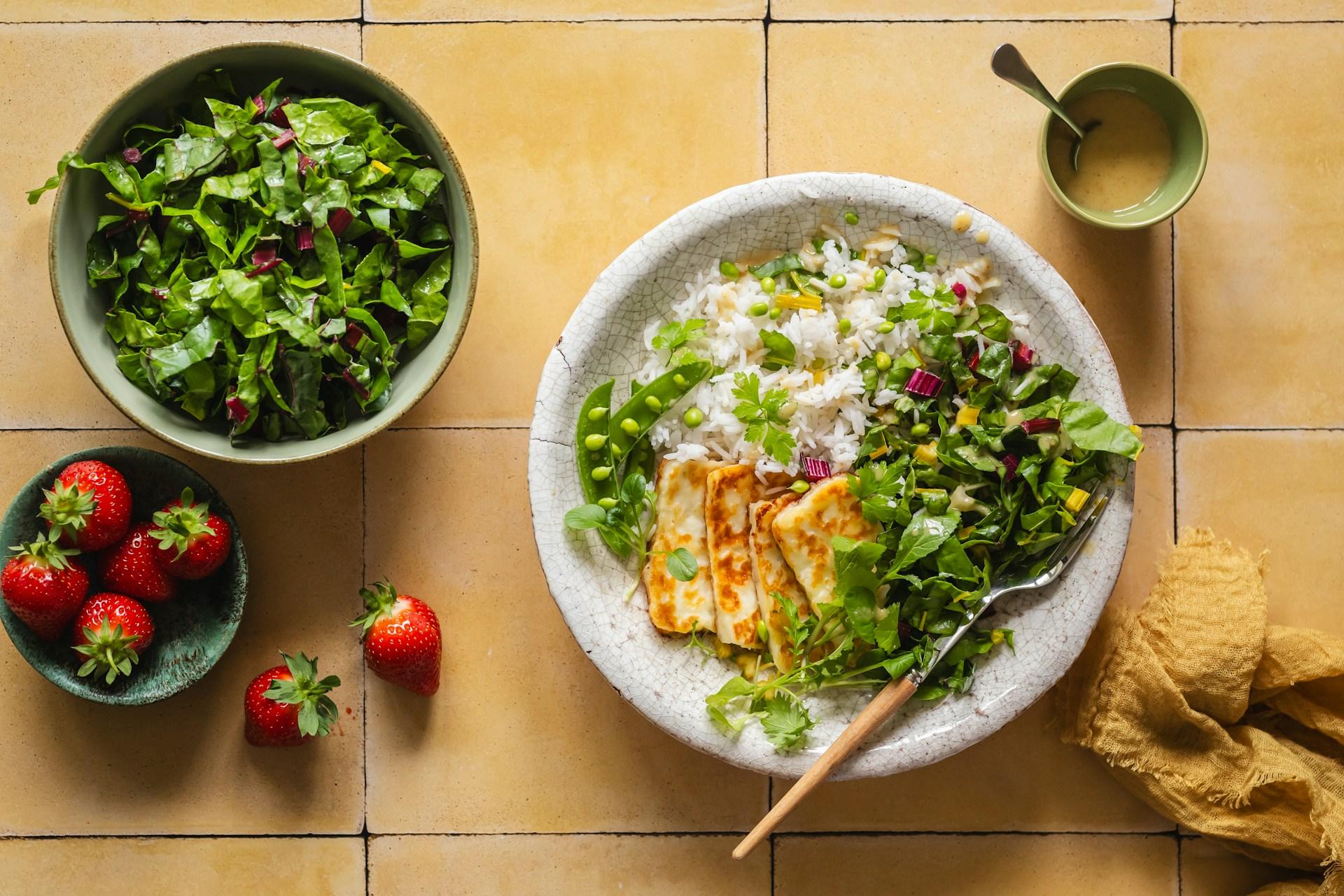
To feel truly satisfied for the long haul, it’s not about piling on calories but choosing wisely what goes on your plate—because not every bite works the same when it comes to feeling full.
Real fullness doesn’t just depend on calorie count; it’s more about the ingredients you bring into your meals. Fiber, protein, and water content are the key players that help you avoid constant snacking. Let’s explore the 4 food groups that can help you forget about reaching for seconds!
Complete Protein Sources
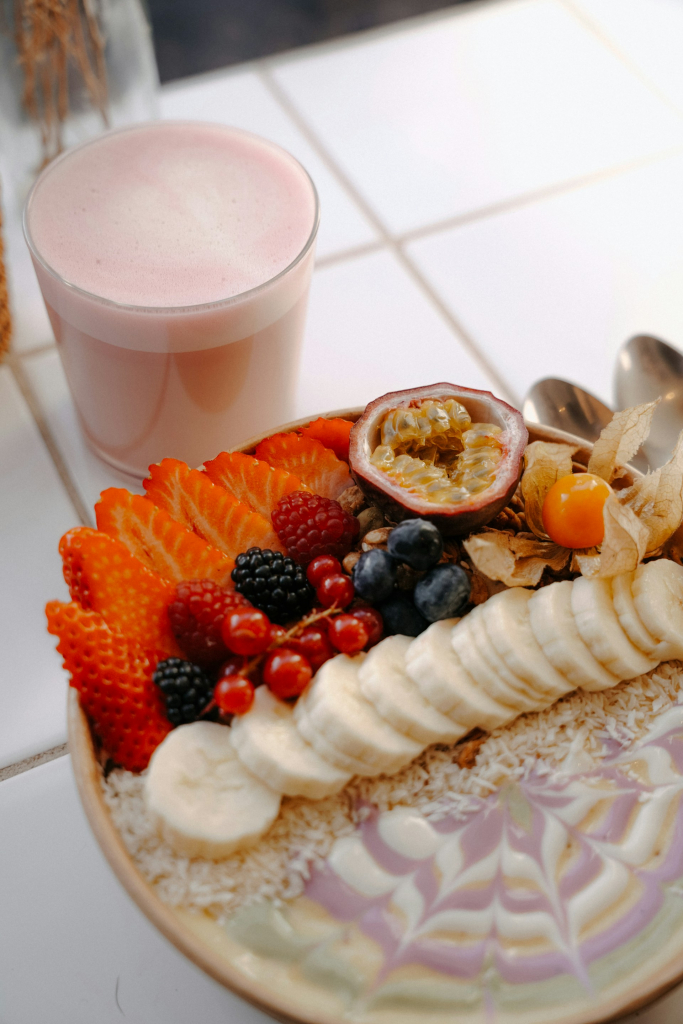
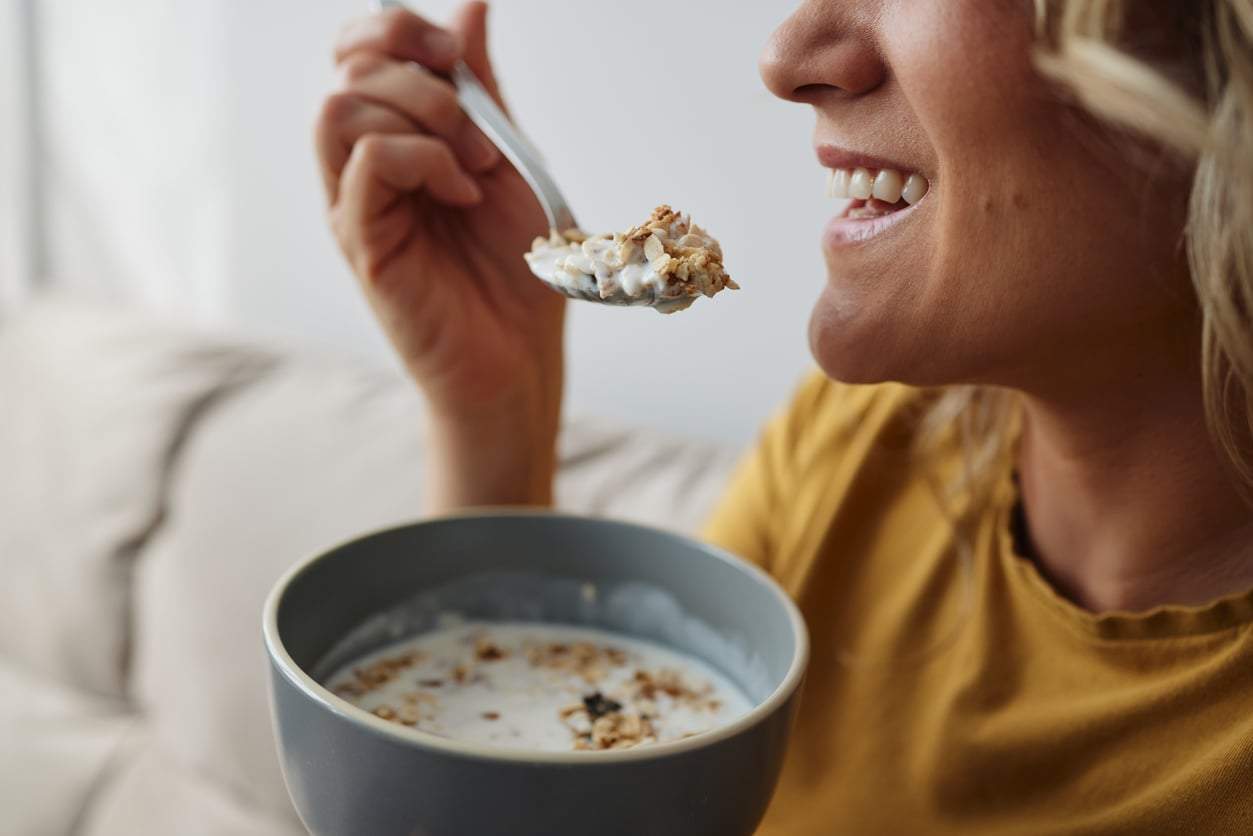
Protein not only supports muscle building but also effectively curbs hunger. A high-protein meal—like a bowl of plain yogurt with berries and whole-grain granola—digests slowly, keeping you full longer. Plus, digestion releases hormones that signal your brain: "Stop eating now."
Legumes like lentils, chickpeas, and beans are fantastic for weight loss—they’re packed with protein but low in fat. Bonus: they’re rich in fiber too, so you get a double win!
Fiber Means Guaranteed Fullness
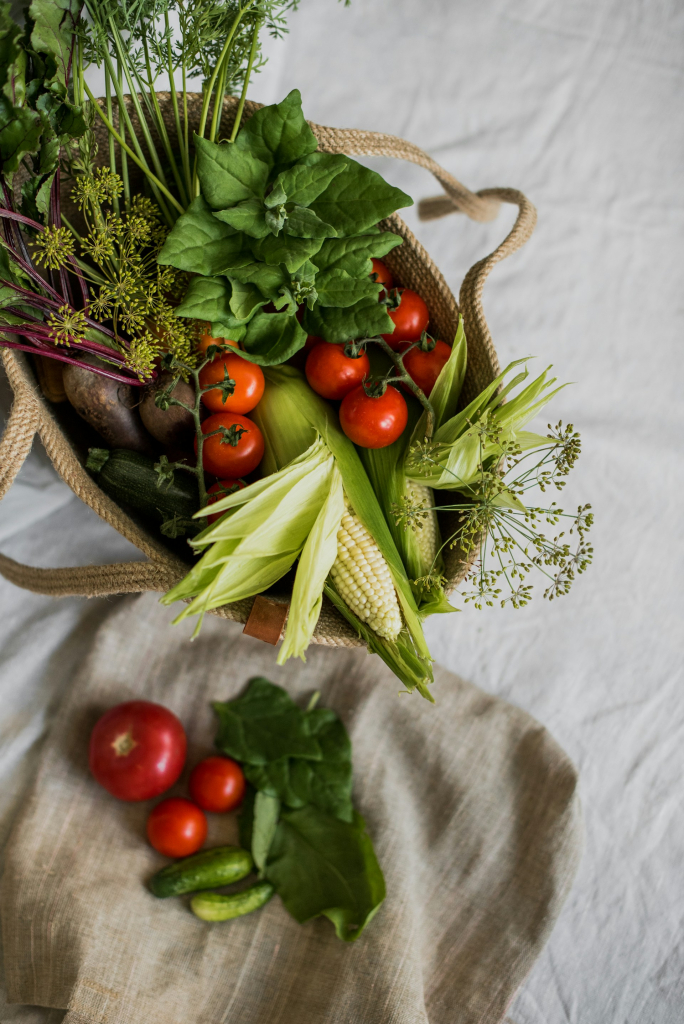
Fiber is your secret weapon for lasting fullness. It slows down food’s journey through your stomach and intestines, delaying hunger’s return and promoting regular, abundant bowel movements—another key to weight loss. Plus, fiber helps stabilize blood sugar, preventing sudden energy crashes that often lead to overeating.
Good news? It’s easy to get enough fiber by following dietary guidelines and eating plenty of plants—because fiber only comes from plant foods. The downside is that animal products have none, and processed foods contain only tiny amounts.
The solution: add more veggies, whole grains, and legumes to your meals! Even better, combine fiber and protein—try a chickpea salad with brown bulgur or bean stew with whole-grain seeded bread.
Water-Rich Fruits
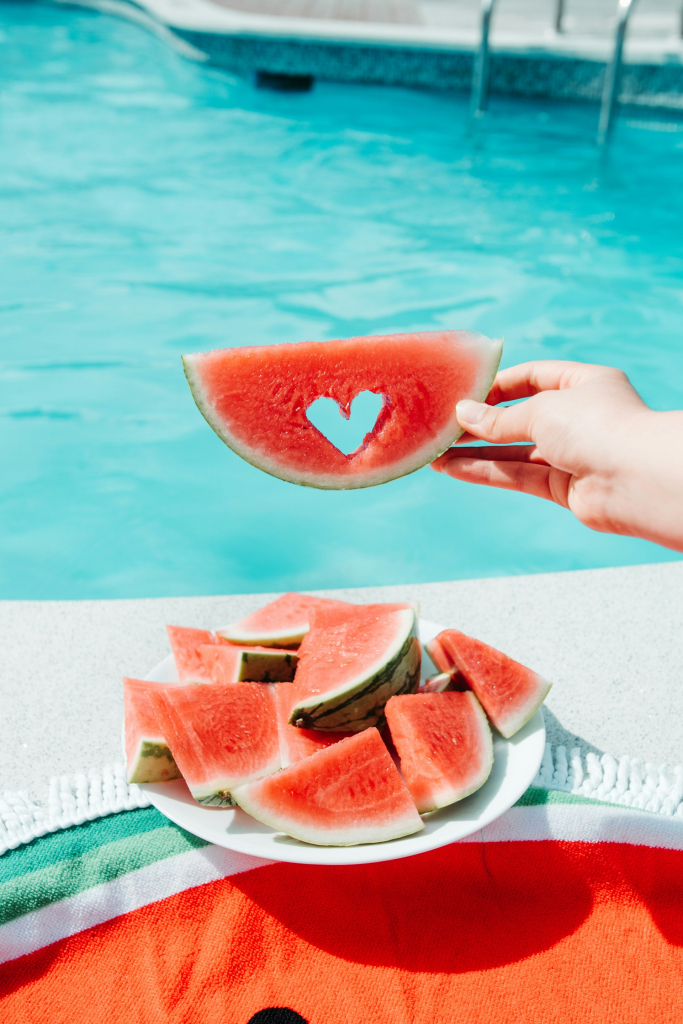
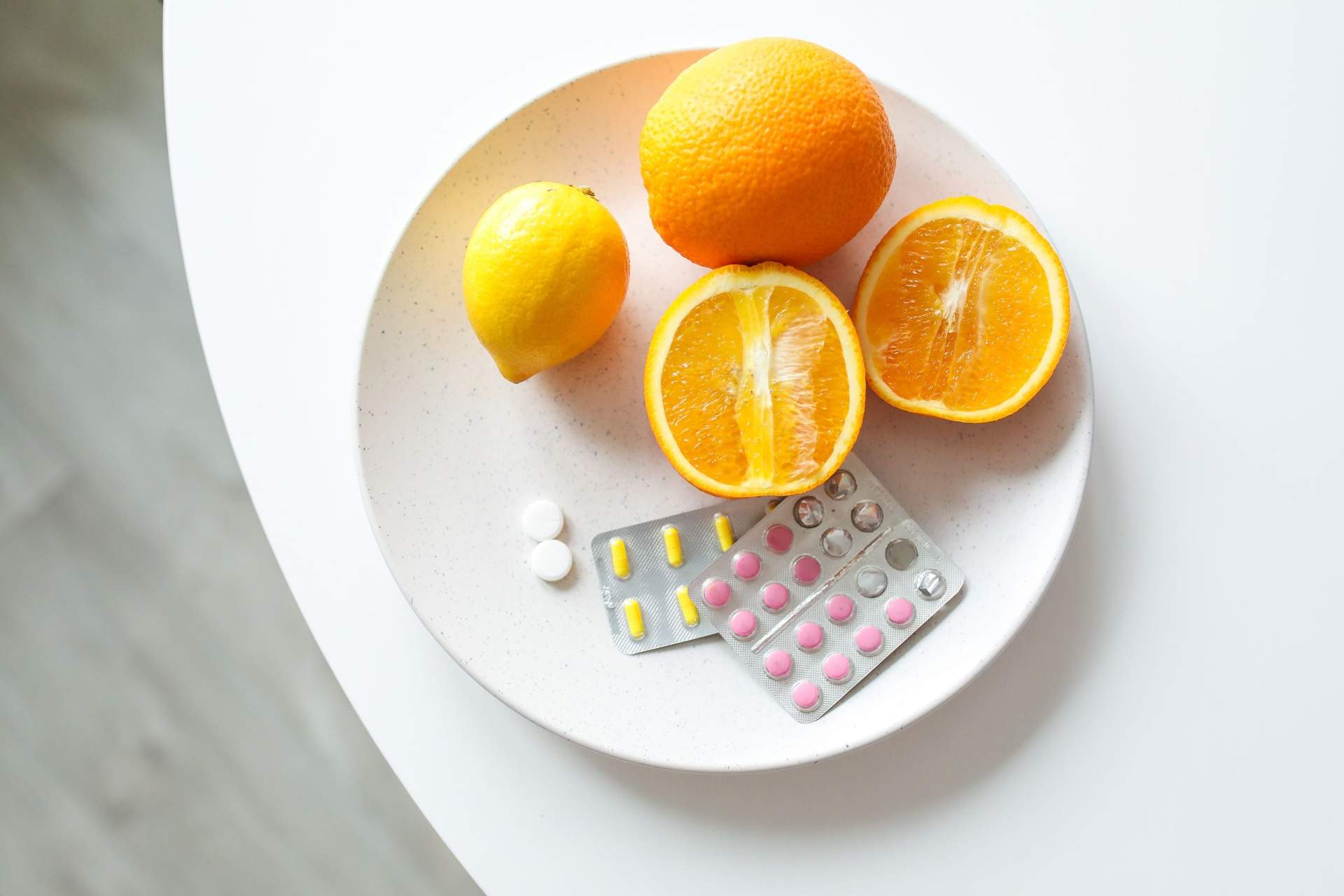
Fruits like apples, oranges, and watermelon aren’t just refreshing—they’re loaded with water. This helps your stomach feel full even with fewer calories. Research shows that despite worries about fruit carbs, people who eat more fruit tend to lose more weight.
Why? Because when you’re satisfied with fruit, you’re less likely to reach for empty-calorie, flavor-enhanced snacks.
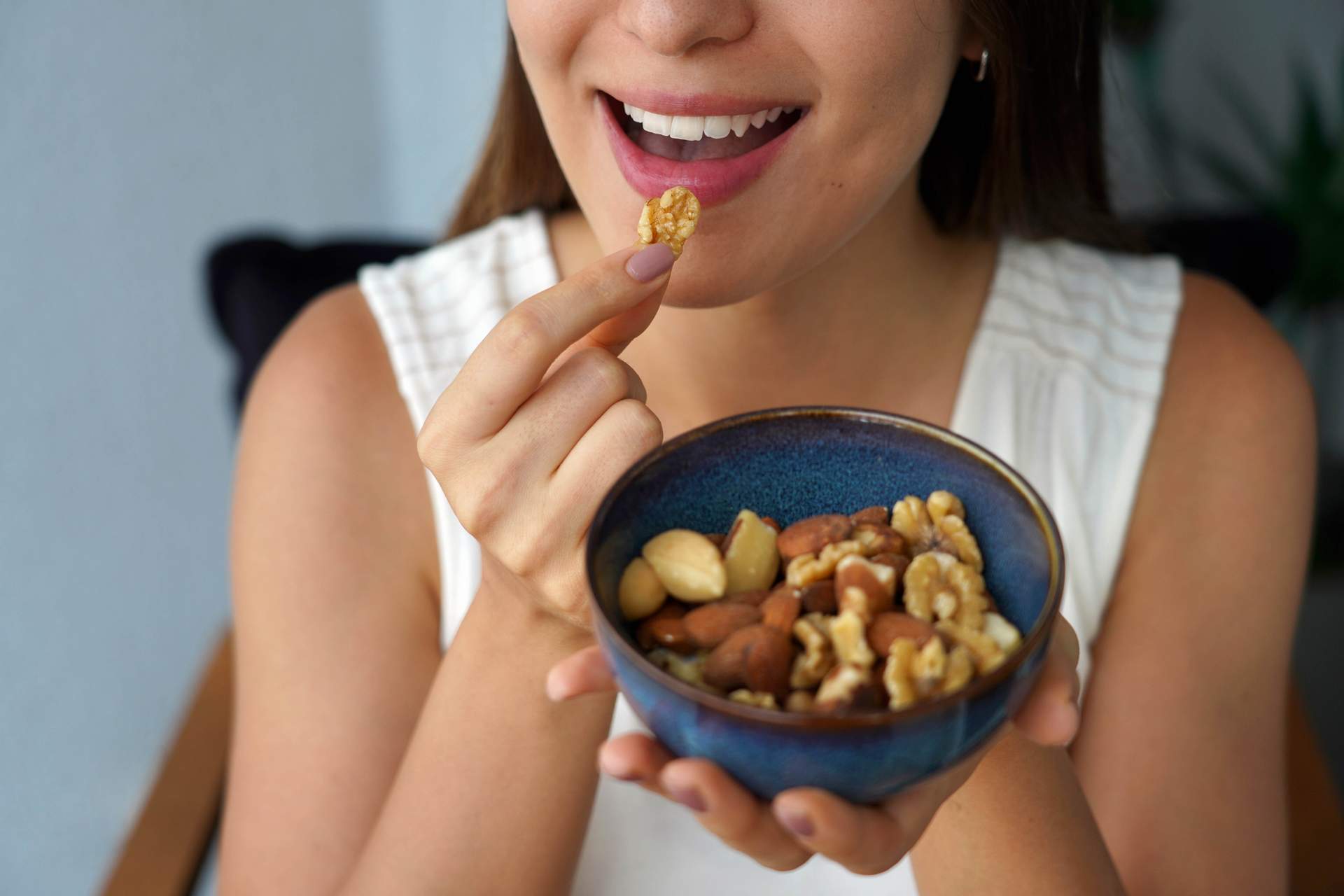
To boost your results, pair fruits with nuts like almonds and walnuts! They have more calories but help stretch out fullness and support absorption of fat-soluble vitamins.
Big Volume, Low Calories
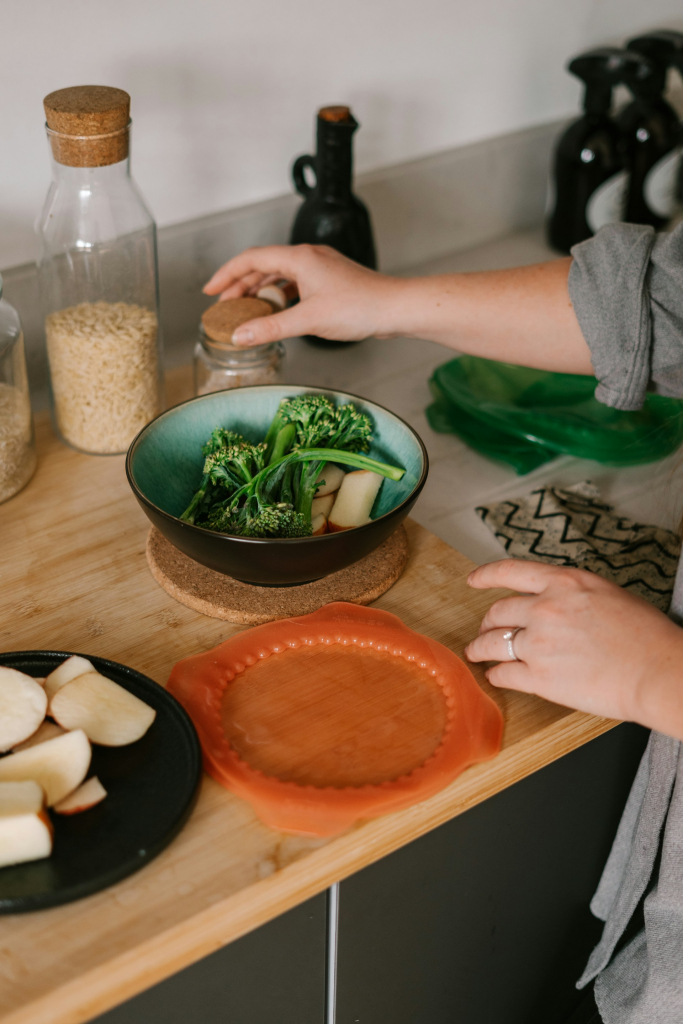
Not all calories are equal, and not all foods fill you up the same way. That’s where calorie density comes in—it measures how many calories are in a given amount of food. High-calorie, low-nutrient foods like pastries, chips, and fast food pack lots of calories in small portions but disappear quickly from your plate and stomach. So, you eat a lot of calories but get hungry again fast.
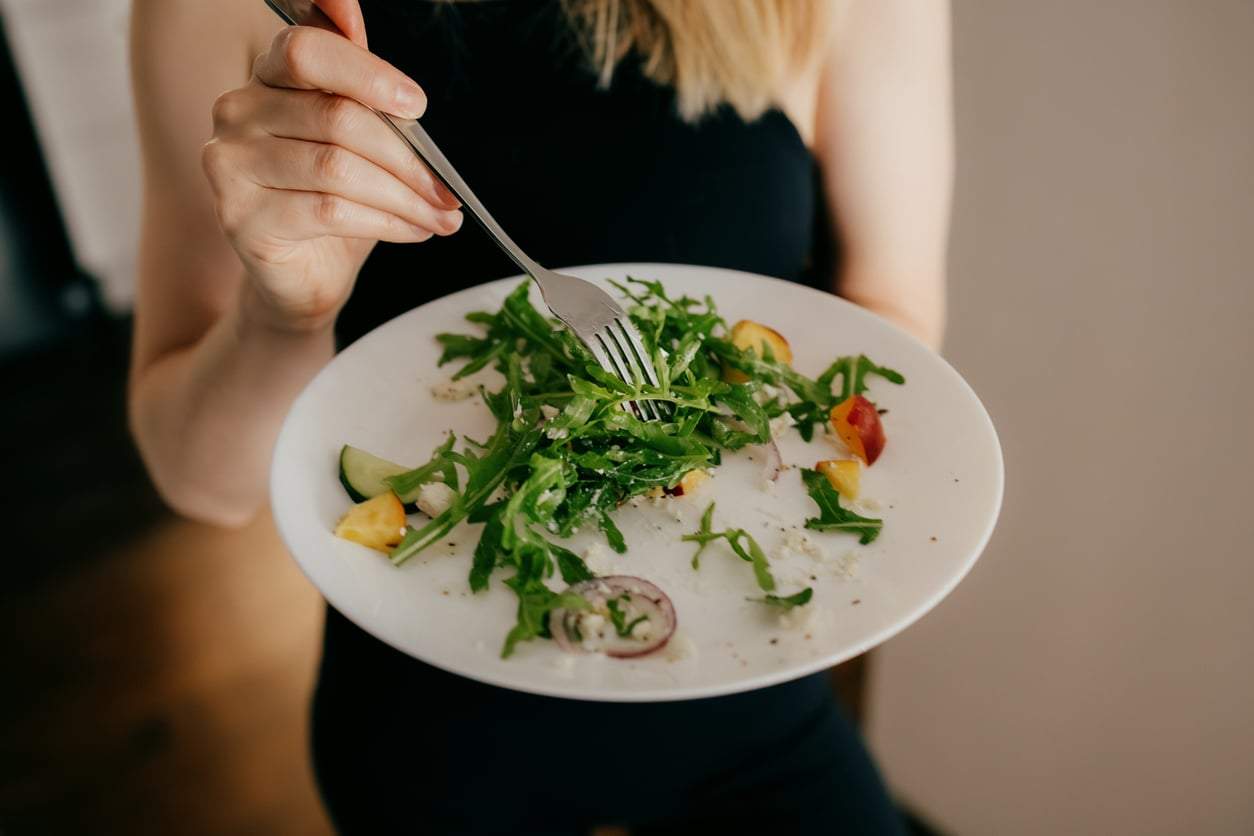
On the flip side, nutrient-dense, low-calorie foods like leafy greens, cruciferous veggies, and berries can be eaten in large amounts without causing weight gain. (For example, one Big Mac has 551 calories—matching that means eating about 3.5 lbs (1.6 kg) of broccoli, 5.5 lbs (2.5 kg) of spinach, or nearly 2.2 lbs (1 kg) of blueberries.) Bonus: these foods not only fill you up better but also provide valuable fiber, vitamins, and minerals.
The trick is to load your diet with as many low-calorie, nutrient-rich foods as possible. This way, you’ll feel fully satisfied and your body will thank you—not just by shedding excess weight more easily but by avoiding nutrient hunger (when you consume too many calories but too few nutrients).
What you choose to put on your plate matters just as much as how much you eat. The right foods not only satisfy hunger but also keep you balanced, energized, and focused throughout the day—without triggering binge eating.