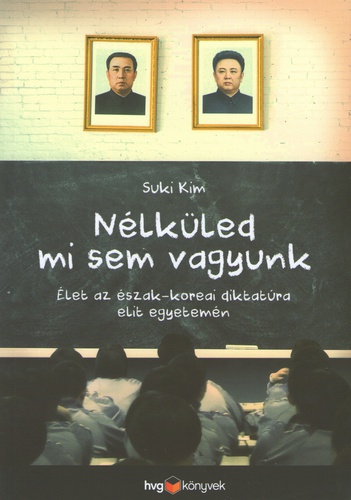
Suki Kim: Without You, We Are Nothing
At one point, I wanted to know everything about North Korea, so whenever I had time, I watched documentaries—though, understandably, there aren’t many.
Books and novels on the topic are also limited, but I found some truly eye-opening and powerful works. The first book I read was Escape from Camp 14, which I only recommend to those with a strong stomach.
Suki Kim’s Without You, We Are Nothing feels more relatable; it offers the perspective of an outsider teacher inside the dictatorship. Hyeonseo Lee’s The Girl with Seven Names tells the story of a teenage girl’s escape and her journey to a new life.
Pak Janmi – I Wanted to Live
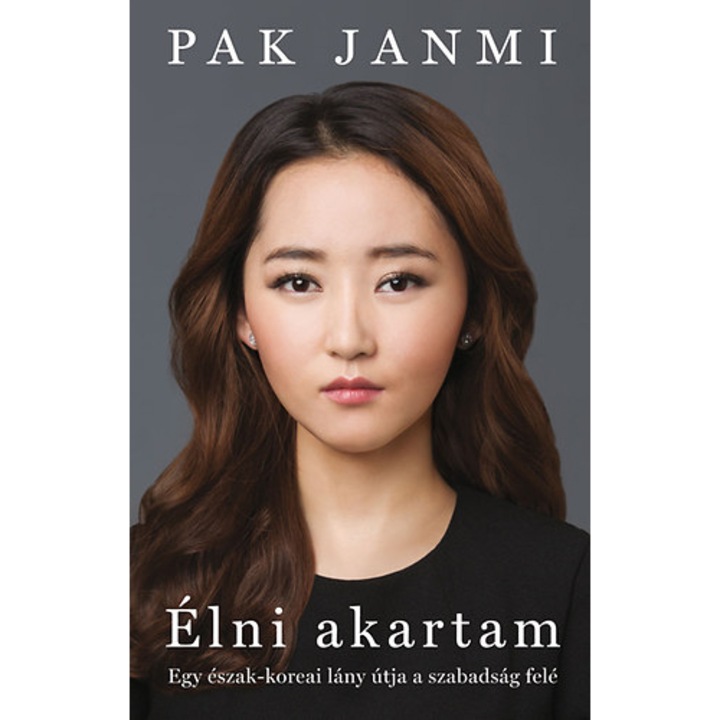
If you’re looking for a gripping yet accessible novel from the eyes of a former North Korean resident, Pak Janmi’s I Wanted to Live is a great choice.
Janmi vividly details daily life in North Korea—the people’s outlook, their limited options, the punishments for “crimes,” and how communication and even feelings are controlled. Her life became unbearable, so despite the huge risks, they escaped to China, where caught escapees face torture, labor camps, or death. Unexpectedly, they fell into the hands of human traffickers who exploited already vulnerable women even further.
After years of hell, a diplomatic twist saved them when they fled across the freezing Gobi Desert to Mongolia. From there, they reached South Korea, where adapting was far from easy. Breaking out of a completely isolated bubble like North Korea and thriving in one of the world’s most advanced countries is no small feat… But Pak Janmi, a true symbol of resilience and will to live, tells that story.
Edith Eva Egert – The Decision
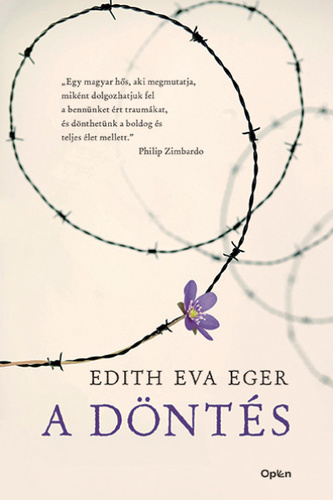
I first saw Edith Eva Egert in a Hungarian documentary, an episode of On The Spot. Her personality, presence, and story captivated me instantly, so I knew I had to get her book. I also recommend the documentary—it offers incredible insights from this psychologist that make it worth watching despite some spoilers in the book.
The Decision was written to help readers learn how to escape the concentration camp of their own minds and become the person they’re meant to be, as the author explains.
Edith Eva Egert is one of the survivors forcibly taken from hopeful lives and imprisoned in concentration camps. She realistically shares what she felt and thought during those months and how fellow prisoners developed survival strategies.
Now a clinical psychologist, Edith’s achievements are truly inspiring given her beginnings. Her story reminds us that if someone can rise after such tragedies, what’s holding us back? In the book’s second half, she offers more examples and advice, teaching us that our circumstances don’t define us—we can always choose joy and freedom.
Farída Khalaf – I Was a Slave of ISIS
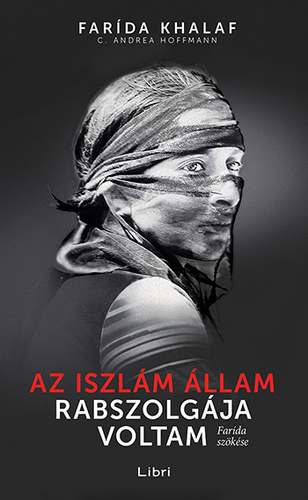
This novel tackles a deeply divisive topic today, especially in our country. It’s no secret that wars continue raging in the Middle East, and even those interested struggle to keep up. I’ve read many compelling and informative books on the subject, but none gripped me like the horrors Farída Khalaf recounts. It’s astonishing how much strength and determination this young woman showed, forced to grow up too soon and endure what no one should.
Until summer 2014, Farída was an ordinary Yazidi girl. Then ISIS attacked her village: men were slaughtered, women kidnapped and sold in markets. Her nightmare began—she had no chance to process her father’s and brother’s deaths or what happened to her mother and siblings. Her life was turned upside down, and she was traded like a piece of cloth.
Farída shares painful details of beatings, humiliation, torture, and her suicide attempts. This incredibly brave young woman resisted her captors physically and mentally, which likely helped her eventually escape.
But freedom didn’t bring immediate peace. In the refugee camp she reached, she realized her own community shunned her for what she endured. Without hesitation, she accepted refugee status in Germany and sought a new life in the West—raising her voice to expose the injustice and cruelty still far too common in our world.