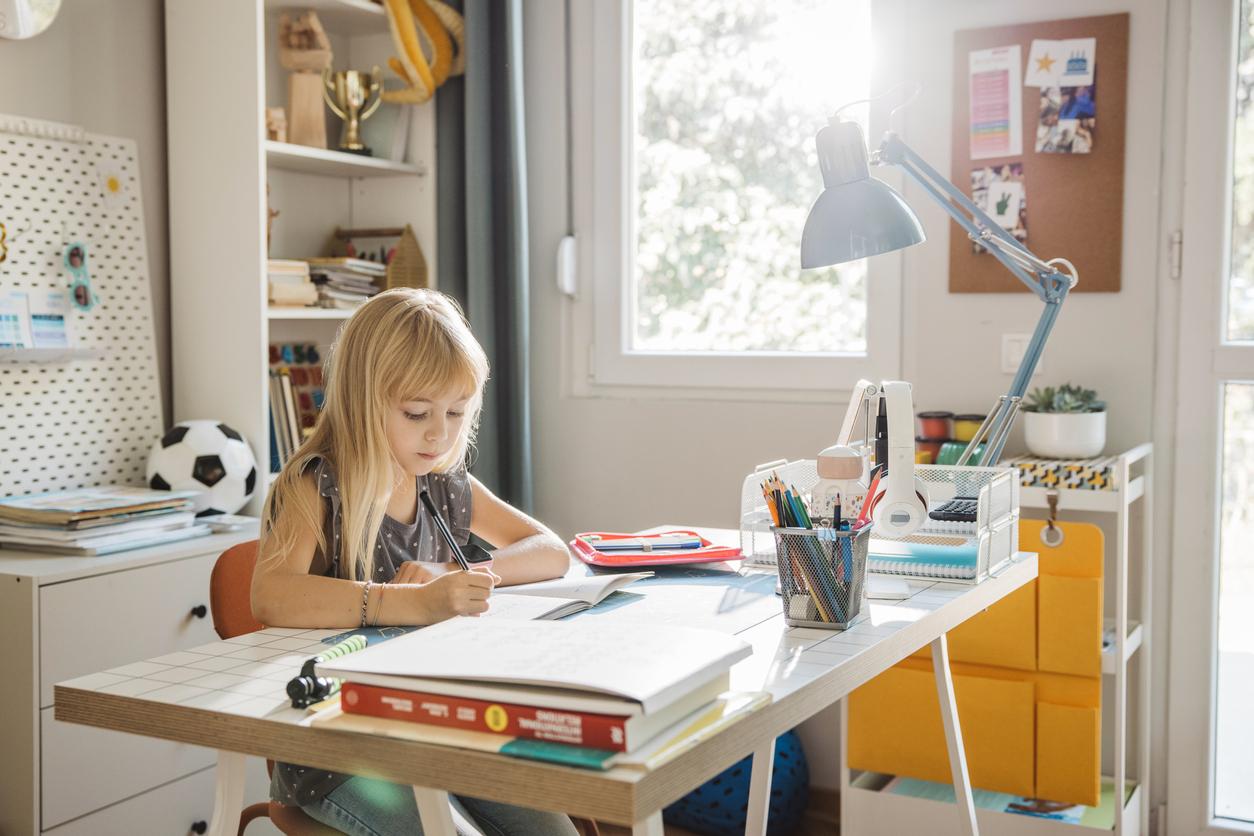
Creating a Study Nook
When starting home learning, setting up a comfortable and motivating study nook is key. Choose a well-lit desk with enough room for all necessary supplies. Bright pens, notebooks, and learning aids can make this space even more appealing to your kiddo.
Also, keep the environment calm to help your child focus better. Personal touches like favorite posters or small plants can make the nook feel cozy and inviting, encouraging your child to spend more time there happily.
Learning Through Play
Playful learning is a fantastic way to spark your child’s curiosity. There are plenty of educational games out there that are both fun and enriching. Make sure the games match your child’s age and skills to avoid frustration or boredom.
Try logic games, puzzles, or educational computer games. This way, your child can build knowledge almost without noticing while having a great time.
Digital Resources and Apps
In today’s digital world, countless apps and online resources can boost learning. These tools make home study more colorful and interactive. Many platforms offer playful learning options that keep your child engaged and growing.
Remember to use these tools in moderation and set clear rules to prevent too much screen time.
Interactive Family Projects
Family projects are not only fun but also educational. Researching topics together and creating presentations deepens your child’s knowledge and strengthens family bonds.
For example, if your child learns interesting facts about an exotic animal, help them make a poster or even design a board game based on what they’ve discovered.
Calendar and Time Management
A good planning system helps your child keep track of tasks. A personalized calendar or schedule makes daily life feel more predictable and encourages responsibility.
This not only helps with homework deadlines but also teaches practical skills like meeting deadlines and prioritizing tasks.
Motivating Rewards
The right motivation is key to making learning enjoyable. Reward systems, like point collecting for small gifts or perks, can support and recognize your child’s effort.
It’s important that rewards aren’t just material things: shared activities, like an extra outing, can bring just as much joy as a new toy.
Learning Buddies
Small study groups or learning buddies can be a real boost. Even during home study, kids need social interaction. These groups offer a great chance to share knowledge and learn together.
Online group sessions can also help kids tackle problems together on the same topic. This way, home learning doesn’t feel lonely and also builds social skills.