Last Name, First Name
Yes, my second name is actually my first name, and the third one is what they’d probably call a rarely used middle name. József Attila didn’t have two first names, but he did have a last name—and no, it’s not what you might think. For Kovács Józsefné, that might even be her name, but in conversation, you can’t call her by any of these. She might introduce herself, yet I still won’t know what to call her.
If It’s Veggies, It’s Pottage
We’re not exactly a nation of veggie lovers, but when we do eat vegetables—if they’re not in soup—we cook them down until soft, often pureeing them, then add a generous dollop of creamy sour cream and heavy cream just to make sure it’s not too healthy. And yes, that’s exactly how we like it.
Our Idea of "Light" Food Is Different
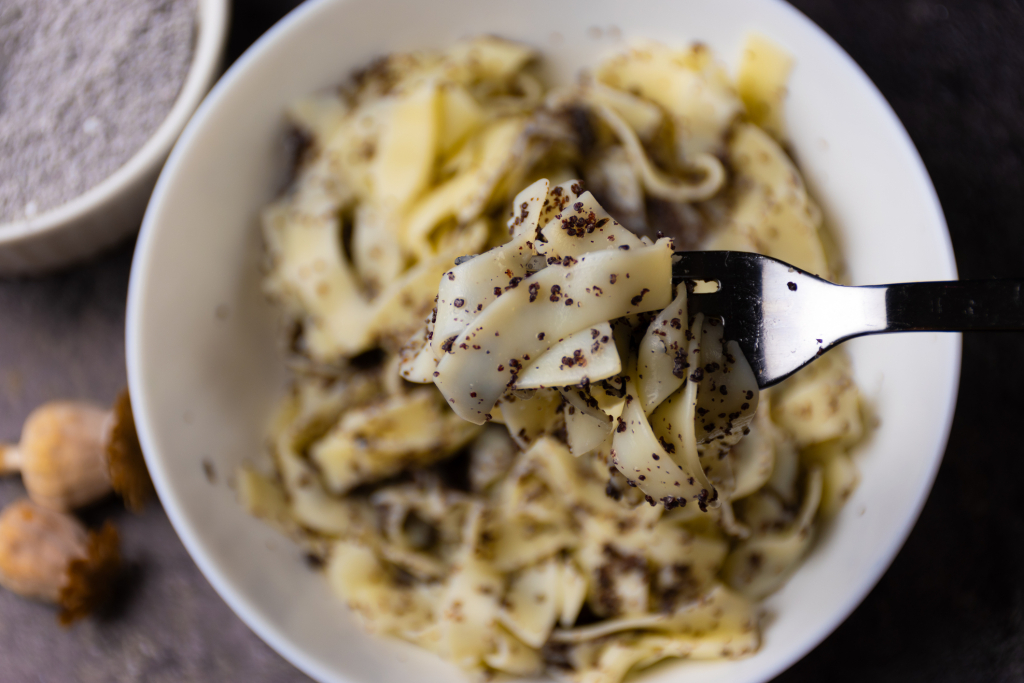
It’s just a small step from there to realizing that what we call a “light meal” isn’t some salad you eat on its own—usually only alongside a juicy meat dish—but something like túrós csusza (pasta with cottage cheese). After all, it barely has any meat. The little bacon pieces don’t really count, and the sour cream just makes it slide down easier.
Here, You Can Say "Neger"
Almost every foreign friend of mine has jumped at hearing the word "néger." One whispered, pale-faced, that this word simply CAN’T be used. It’s hard to explain that among the many racist, mean, or prejudiced remarks in Hungarian, "néger" is actually one of the few words without a negative tone.
Don’t Get the Joke?
The closer we are to someone, the sharper the jokes we allow at their expense. When we drop a biting comment, it’s usually not to be mean but to bond. We just do it in a quirky way.
I comfort my sensitive and easily offended friends by saying this wasn’t really an insult. Don’t worry—if a Hungarian truly wants to mock you, you’ll notice it, and there’ll be no doubt about their intentions.

Negative Questions
When I ask if someone doesn’t want soup, doesn’t want to go to the movies, or hasn’t seen my glasses, it’s not because I’m hoping for a “no.” It’s just how we usually ask questions, and I find it more polite. It’s so deeply ingrained that I literally translate my questions this way into other languages.
No, I Haven’t Been Everywhere
This question mostly comes from foreigners from large, sometimes continent-sized countries: Have you been everywhere in Hungary? Sure, it’s a tiny country, but it’s not the Vatican. I haven’t explored every square meter, or even every county. I can probably tell you about Budapest, my hometown, and a few bigger towns, but no, I don’t know how many Szabó’s live at Kossuth Street in Balmazújváros.