Some things skip a generation — or two. But certain gifts have a way of surfacing again no matter how many decades pass. If you recognize yourself in several of the signs below, the healing wisdom carried by your ancestors may still be alive in you.
1. Your dreams are unusually vivid — and they come true
We're not talking about loose symbolic imagery you can bend to fit any situation. We mean the kind of dream that feels completely real, leaves you unsettled all morning, and then — a few days later — actually happens.
In Scottish and Irish folk tradition, the gift of second sight was considered hereditary, passed down through family lines, sometimes linked to fairy blessing, sometimes to unusual birth circumstances. If your family has its own version of this legend — someone who dreamed of a death or a birth before it happened — your ancestors wouldn't have called it coincidence.
2. You've always known what plants are for — without being taught
Not because you read an article about chamomile. More like: you've known since childhood which leaf to crush on a wasp sting, or what nettle tea is good for, with no one ever explaining it to you.
In Hungarian ethnographic records, the knowledge of traditional healers — known as javasasszonyok — was built on generations of refined plant wisdom. They knew precisely when and how to harvest each herb, and this knowledge was passed down through strict, almost ritualistic family transmission. That pull you feel toward certain plants may not be purely personal curiosity.
3. Your touch physically calms people
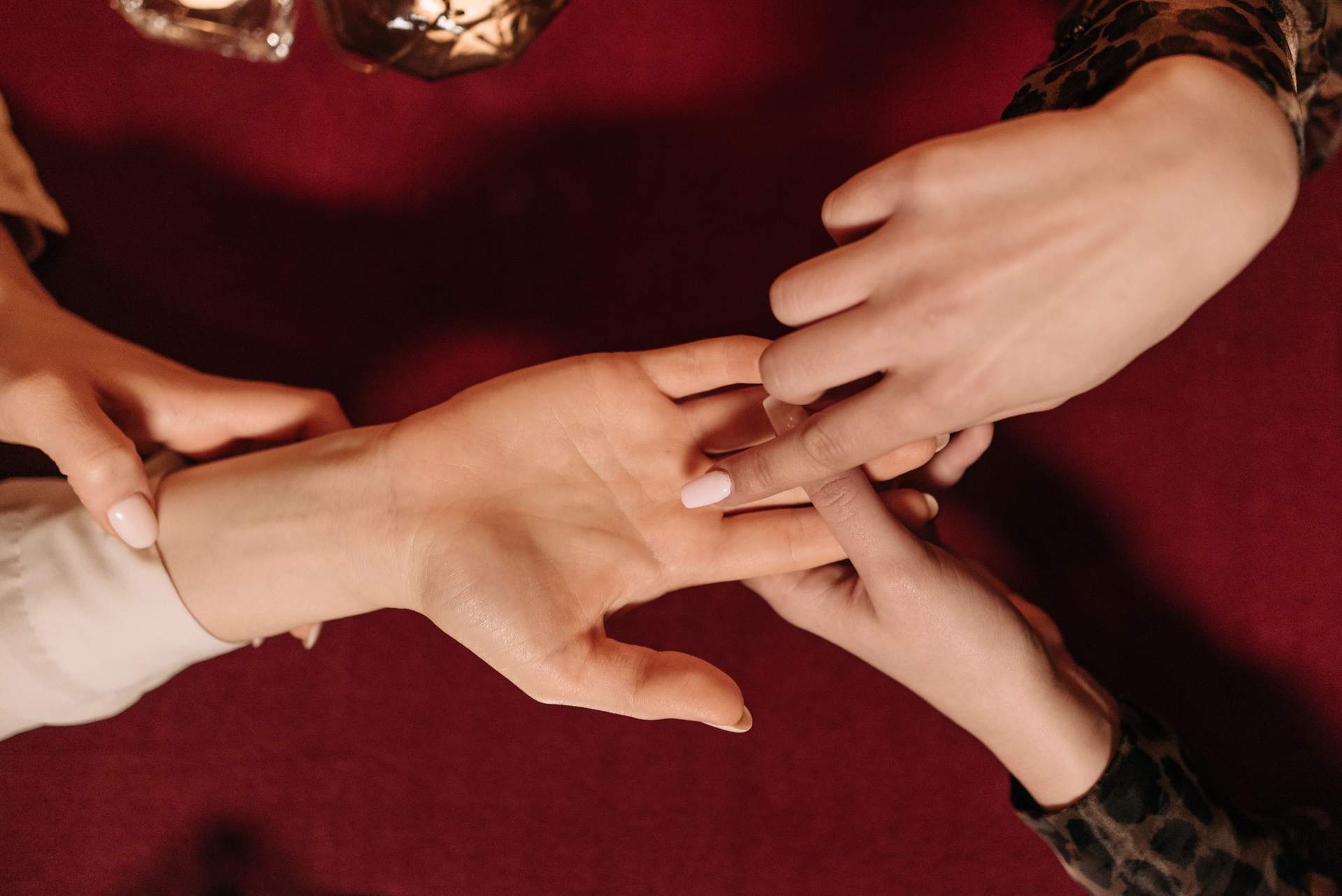
If someone sitting beside you visibly slows their breathing within minutes, or a crying baby falls asleep near your hands, that's not superstition — it's a very old function resurfacing. Healing through touch appears across European folk traditions, from Hungarian szentemberek (holy men) to the laying-on-of-hands practices found across Western Europe. Those who carried this role in their communities were often the ones whose mere presence felt settling to others.
If people around you regularly comment that you have a "calming energy," take it seriously. It means something.
4. There's a woman in your family no one talks about properly
Every family has at least one. She's mentioned in half-sentences. She helped with births in the village, she knew when to harvest herbs, and strange rumors followed her long after she was gone.
Historical records of Hungarian witch trials — studied in depth by scholars such as Gábor Klaniczay and Éva Pócs — show that a significant and distinct group among the accused were women with genuine healing roles in their communities. Between 1520 and 1777, approximately 91% of death sentences were handed down against women, with women making up around 87% of those receiving lighter punishments. Most cases began not with anything supernatural, but with neighborhood disputes, accusations of cursing, or damaged reputations.
That woman in your family history who is only ever spoken of in whispers? She may have been one of them.
5. You feel the full moon — in your body
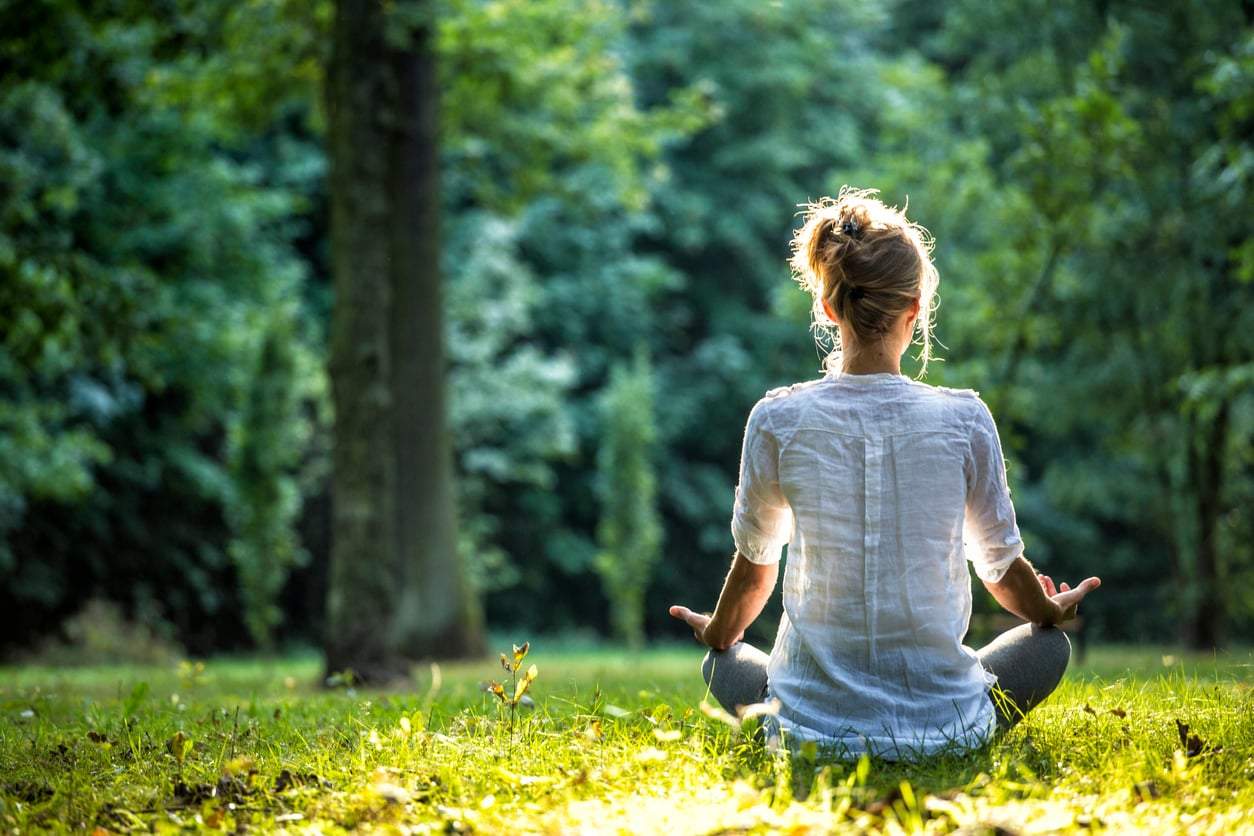
If you regularly sleep worse around the full moon, or find that your strongest emotional waves arrive right on schedule with the lunar cycle, traditional healers would have recognized you immediately. They deliberately timed their herb gathering and healing work to the phases of the moon, believing that the potency of plants and the condition of the human body shifted cyclically.
A 2013 study published in Current Biology found that some participants slept shorter and more lightly around the full moon — though other analyses have not replicated this finding, leaving the question genuinely open. What isn't in doubt is that folk healers treated this sensitivity as a marker of attunement, not oddness.
6. Strangers tell you their problems
The person behind you in line at the grocery store starts talking about their divorce. The stranger on the bus mentions their mother's illness. If this happens to you regularly, it isn't random — people sense something in you that makes them feel safe.
This was precisely the social role of the village healer. Long before anyone thought to see a doctor, these women were the first listeners — for both physical complaints and emotional ones. If people seem to find you without trying, you may have inherited that quality.
7. You know when something is wrong with someone before they say a word
You call your mother on a whim and discover she fell ill that very day. You sense a friend is struggling before they've told a single person. This kind of intuitive knowing was considered part of the healer's instinct in folk tradition — a blend of reading subtle physical signals and an almost extreme empathic sensitivity that frequently accompanied the herbalist's role.
It's less about being psychic and more about being deeply, almost involuntarily attuned to the people around you.
If several of these signs feel personally familiar, it might be worth asking an older family member — directly and gently — whether there was a woman in your line that people only ever spoke about in hushed tones. The answer might surprise you.
How do you know if you have a healer ancestor?
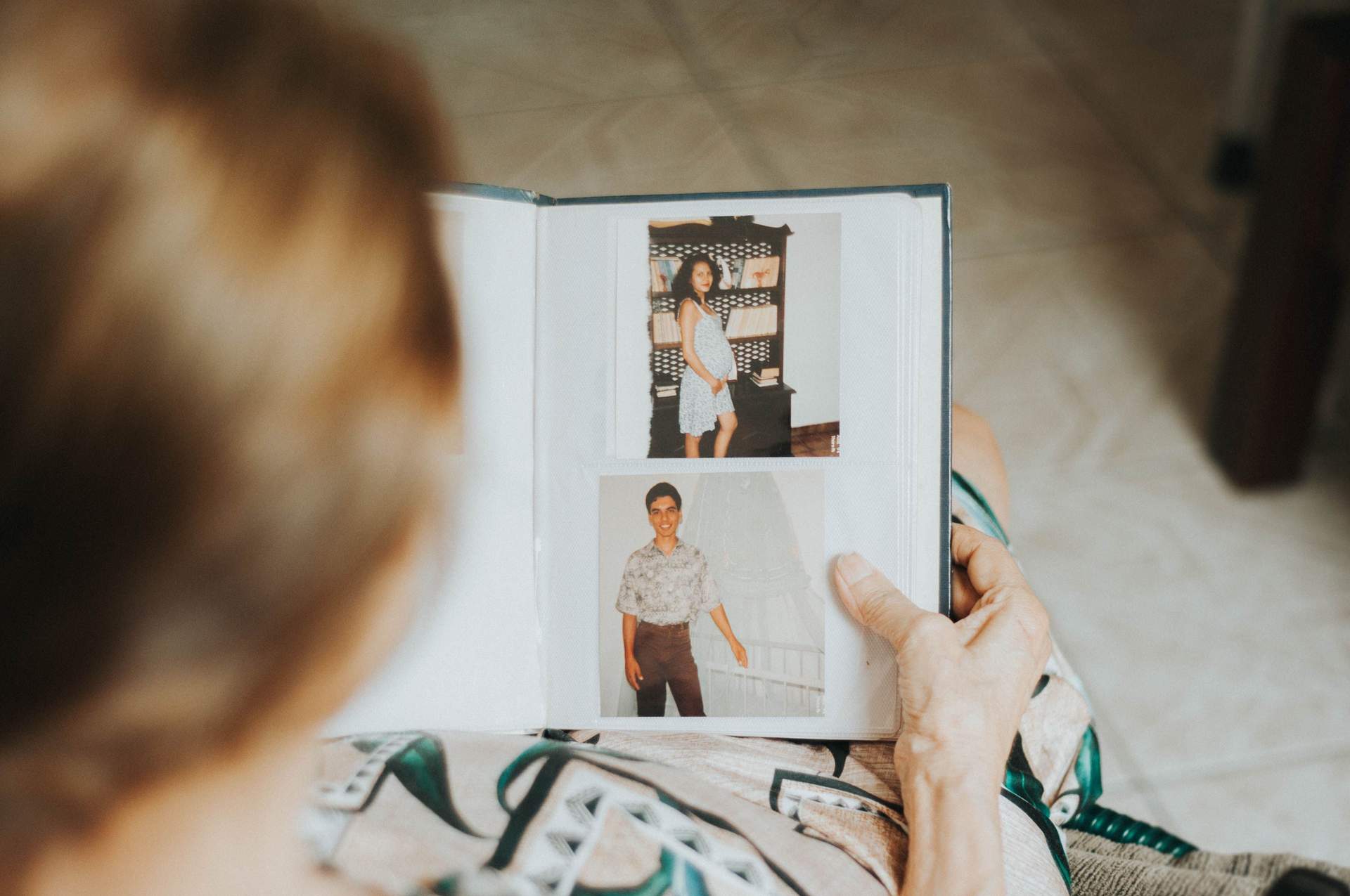
The clearest clues are usually found in family stories — a great-grandmother who helped with births, who kept bundles of dried herbs, or who was known in the neighborhood for advice and remedies. Silence and half-told stories are often just as telling as open accounts.
Can healing gifts really be inherited?
Folk traditions across Europe treated certain abilities — such as second sight, a calming touch, or deep plant knowledge — as hereditary traits passed through family lines. Modern science hasn't confirmed a genetic mechanism, but these patterns of sensitivity and empathy do appear to run in families, whatever the reason.
What if I recognize these signs in myself?
Recognizing them is enough of a starting point. Many people find it meaningful to explore herbal traditions, learn about their family history, or simply pay closer attention to the intuitive signals they've always half-noticed. None of it requires believing in anything supernatural — just being curious about where you come from.