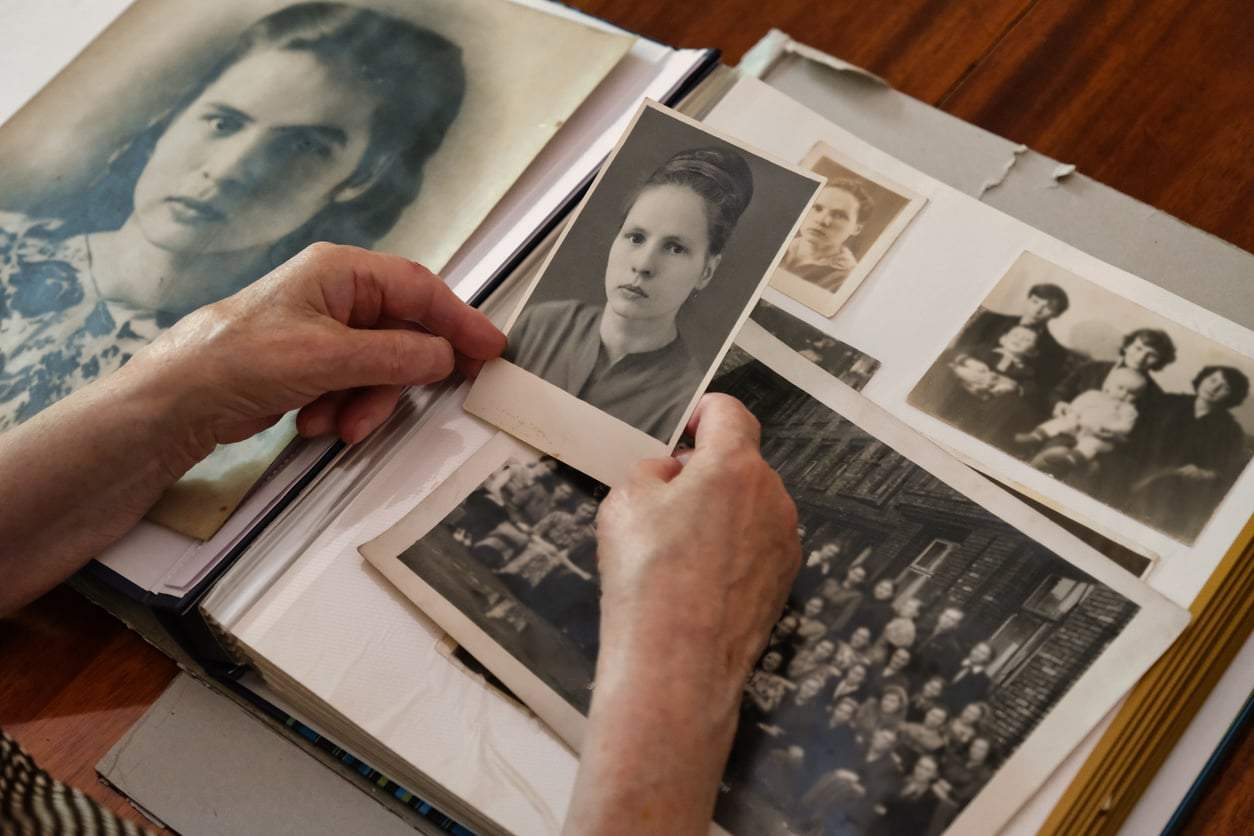
Give the worry an appointment
Telling yourself to stop thinking about something is famously useless. Telling yourself when you will think about it is surprisingly effective. Choose a fixed fifteen minutes — early evening works better than bedtime — and when a worry surfaces outside that window, write one line in a notebook and tell it you will get to it then.
At the appointed time, open the notebook and go through the list properly. Two things usually happen. Several items have dissolved on their own and look faintly ridiculous in daylight. The remaining ones split cleanly into things with a next action and things with none. For the first group, write the action: send the email, book the appointment, ask the question. For the second, you are allowed to simply acknowledge them. The point is not to solve everything. The point is teaching your mind that worries get a hearing, so it stops shouting all day to get one.
Start with the body, because the body is faster
You cannot reason yourself out of a racing nervous system, but you can often change it from the outside. A long exhale is the simplest lever there is: breathe in normally, then breathe out for roughly twice as long, and repeat for a minute or two. It feels too basic to matter and it frequently works anyway.
Cold helps some people — rinsing your hands and wrists under a cold tap, or stepping onto a balcony for sixty seconds in the dark. Movement helps almost everyone: not a workout, just getting the body doing something rhythmic and boring, like walking to the end of the road and back, or washing up slowly. In winter the temptation is to stay perfectly still under a blanket while the mind sprints. Reversing that — stillness in the mind, a little motion in the body — is usually the better arrangement.