Though I’ve always loved cooking, there was a time when trying out new recipes felt more like a daily challenge than a comforting routine. Often, I didn’t even write a shopping list: I’d walk into the store, look around, and try to piece together in my head what I could cook in the coming days while standing in front of the shelves.
Sometimes it worked. Other times, not so much. The price of spontaneity was often misjudging timing or quantities, and some ingredients ended up in the trash. Today, I approach weekly meals very differently. I didn’t become obsessively precise, but I did become more intentional—and this shift brought order not just to my kitchen, but to my mind as well.
Planning That Gives, Not Takes Away
For a long time, I thought weekly meal planning would limit me and steal my freedom. But experience showed me the opposite. Now, we usually do one big grocery trip a week, and beforehand, I calmly think through what meals I want to make in the coming days.
It’s not a rigid menu, but a flexible outline. I focus on practicality: using fresh ingredients early in the week, while those that keep longer are saved for later. I often freeze meats and fish. Alongside seasonal produce, I happily buy frozen vegetables and fruits too. They’re not just long-lasting but full of possibilities.

Less Waste, More Peace of Mind
One of the most noticeable changes is that far less food ends up in the trash. Planning ahead helps me realistically see what I’ll have time and energy for during the week. This isn’t just financially freeing, but emotionally too: it feels good to respect ingredients and avoid waste. Planning has become a way of caring for myself and the environment.
Variety on the Plate, Freedom in the Kitchen
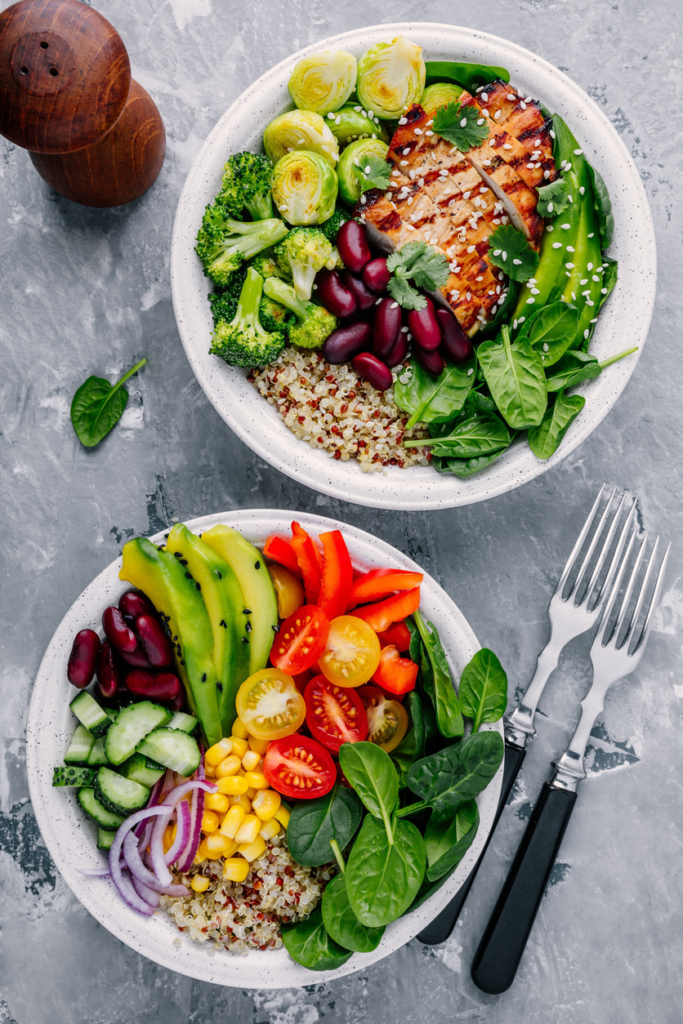
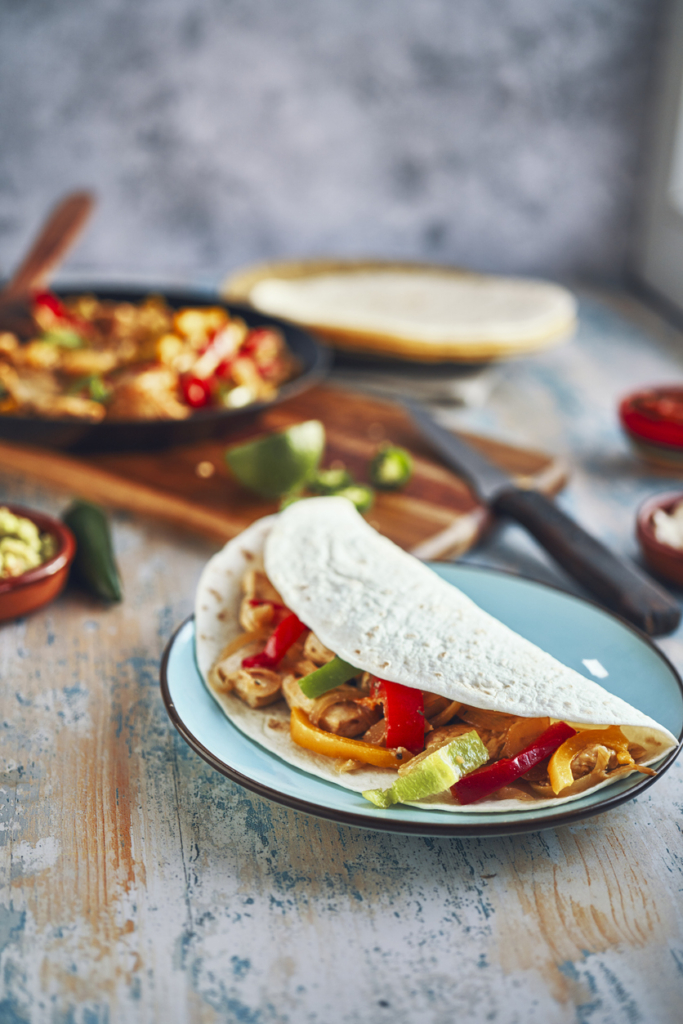
Surprisingly, weekly meal planning has boosted my creativity. I intentionally choose ingredients to make each dish colorful: for example, I often add three to four types of vegetables to a simple rice dish or roast a mix of veggies. This makes meals not only more nourishing but also more exciting.
As someone gluten- and lactose-sensitive, it’s especially valuable to enjoy variety without compromising flavor or well-being. Planning helps here too: it leads to thoughtful, joyful meals, not quick fixes.
Flexibility Above All
It’s important to me that the system doesn’t become rigid. If something runs out or I realize I need fresh ingredients, I simply pop into a nearby store. A short walk is often refreshing. Weekly planning doesn’t exclude improvisation; it actually provides a solid foundation for it.
Mental Space That Frees You Up
Perhaps the greatest gift of weekly meal planning is mental ease. Knowing there’s always something ready to turn to. Not having to spend time each day agonizing over what to cook while a thousand other tasks swirl in my mind. This leaves more time and energy for other things—or simply to rest.
It’s also comforting to know that most of the time, delicious, nourishing meals make it to the table. This quiet confidence strongly supports my mental well-being.
More Than Just Kitchen Routine
For me, weekly meal planning has become more than a household task—it’s a form of self-care. A small but meaningful habit that helps me slow down, make mindful choices, and create harmony in everyday life.
I haven’t become perfectly organized, but that was never the goal. It’s more about feeling good in my own kitchen, at my own pace. And if that sometimes means just a list, some foresight, and a bit of flexibility, then I’d say it’s been worth it.