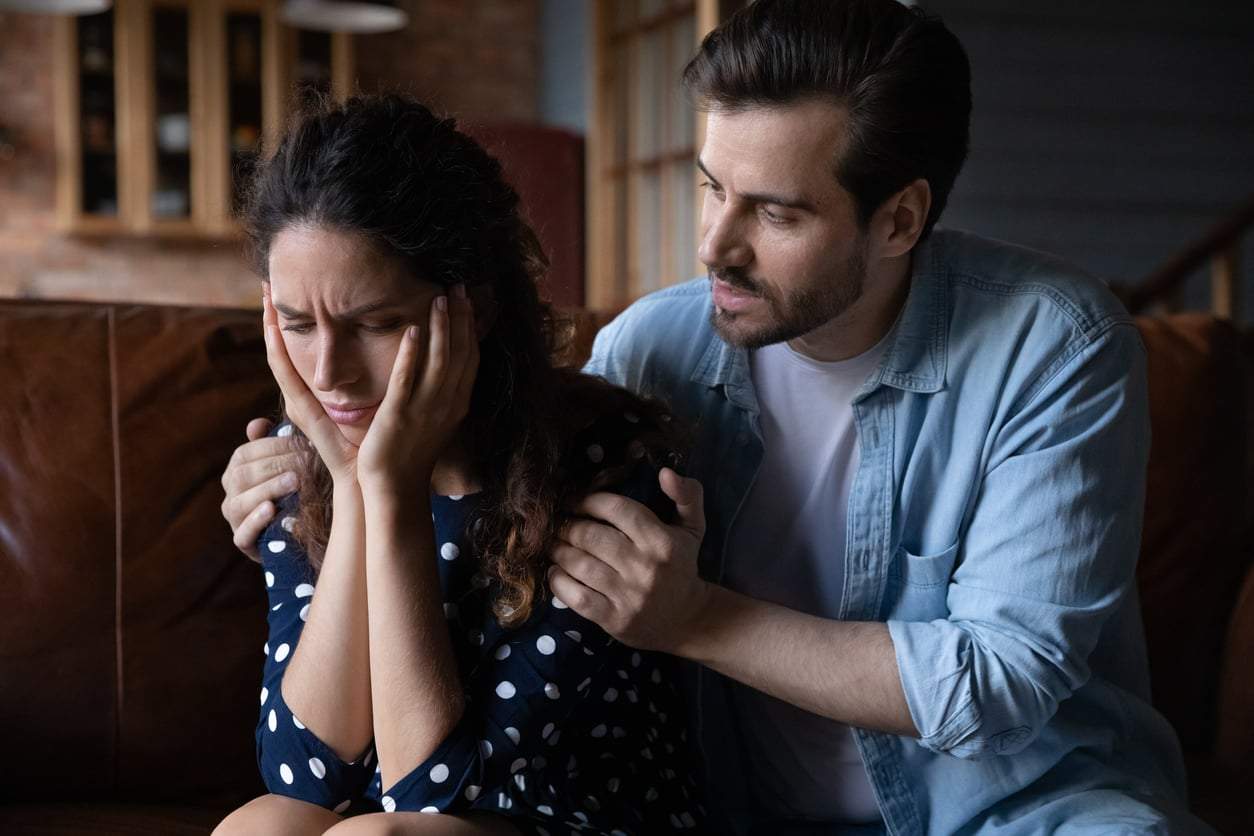
Few things test a relationship like infidelity. It can crack the foundation a couple has spent years building, and the deepest wound is almost always the same: broken trust.
After it happens, many people feel certain there's no way back — that the relationship is over. And yet it isn't always. When both partners are genuinely willing to do the work, to be honest, and to face the pain together, rebuilding trust really is possible.
Why trust is everything in a relationship
Trust is the pillar that holds up every close relationship. That's especially true for couples, where compromise, patience, and tolerance are part of daily life. When trust breaks, the whole relationship starts to feel unstable — and future happiness suddenly seems uncertain.
But trust means more than simply believing your partner won't cheat. It means knowing they're reliable, that they'll stand by you in hard times, and that they'll share in your joys too. When that sense of security disappears, both partners have to actively rebuild it. It rarely comes back on its own.
Honest communication comes first
The first and possibly most important step toward healing is open, honest communication. Both partners need to voice their feelings and fears — and just as importantly, listen to each other without rushing to judge.
Only then can you get to the real reasons behind what happened, rather than staying stuck in blame. And this can't be a one-time conversation. Honesty has to run through every part of the relationship and be kept up over time. It strengthens the bond and helps prevent the same problems from resurfacing later.
If you're working through this, it may also help to understand the small signals that quietly erode trust long before a crisis ever hits.
The real art of apologizing
An apology alone won't fix a relationship — but it still matters. Acknowledging the other person's pain and expressing genuine remorse is a necessary starting point.
The key isn't a formal "I'm sorry." It's true regret, paired with real understanding of what your partner went through. A sincere apology can help the hurt person begin to heal and open the door to forgiveness. But lasting change comes from actions and a shift in attitude — not words.
Setting shared goals
Once both partners reach the point where they're ready to move forward, it helps to rebuild the relationship on new ground. One powerful way to do that is by setting shared goals.
These can be small — a weekly ritual or a regular date you both protect — or big and long-term, like starting a family or moving in together. Shared goals don't just connect two people; they help keep the focus and the commitment alive, giving the relationship something to grow toward.
Be patient and make room for healing
Rebuilding a relationship takes time, and both people have to be patient — with each other and with the process. That means respecting each other's need for space and time, even when it's hard.
There will be setbacks. One of you may pull back for a while, needing room to process difficult emotions. That's normal. There are no strict rules or deadlines for healing. Every couple has to find their own path back to the trust they once shared.
When to bring in professional help
Sometimes your own resources simply aren't enough to save the relationship — and that's nothing to be ashamed of. Reaching out to a therapist or couples counselor can make a real difference. An outside perspective often reveals patterns and problems that partners can't see on their own.
Couples therapy doesn't just help map out why the affair happened. It can also give you concrete tools and techniques to communicate better and solve problems more effectively going forward. For many couples, it's the turning point that makes rebuilding actually possible.
Can a relationship really recover after cheating?
Yes — though not every relationship does. When both partners are genuinely willing to do the work, communicate honestly, and rebuild trust over time, recovery is possible.
What's the first step to rebuilding trust after infidelity?
Open, honest communication. Both partners need to share their feelings and fears, and listen to each other without judgment, so they can understand the real reasons behind what happened.
Is an apology enough to fix things?
No. An apology matters as a starting point, but on its own it won't repair the relationship. Lasting change comes from genuine remorse followed by real changes in actions and attitude.
How long does it take to heal after cheating?
There's no set timeline. Healing is a gradual process without strict rules, and every couple has to find their own path back to trust at their own pace.
When should a couple consider therapy?
When your own resources aren't enough to move forward. A therapist or couples counselor can reveal patterns you can't see yourselves and offer practical tools to communicate and solve problems.