The changing seasons don’t just affect the weather—they shape our beliefs and superstitions too. When winter’s darkness and cold arrive, these old tales come alive. One of the most famous warns against opening the window on December 29, but why? And what other winter superstitions once guided our ancestors’ daily lives?
Why Not Open the Window on December 29?
Opening the window on December 29 is said to bring bad luck to the home and its residents. This superstition has deep roots in folk traditions, where people believed spirits roamed freely on this day, and opening the window invited them inside.
Though few believe in such superstitions today, it’s fascinating to see how deeply they’re woven into our culture. These beliefs once served as warnings, reminding people of the risks of being too open or careless.
Santa Claus and the Golden Apple
Winter isn’t just about darkness—it’s also the season of bright, joyful celebrations. Early December brings the excitement of Santa Claus’s visit.
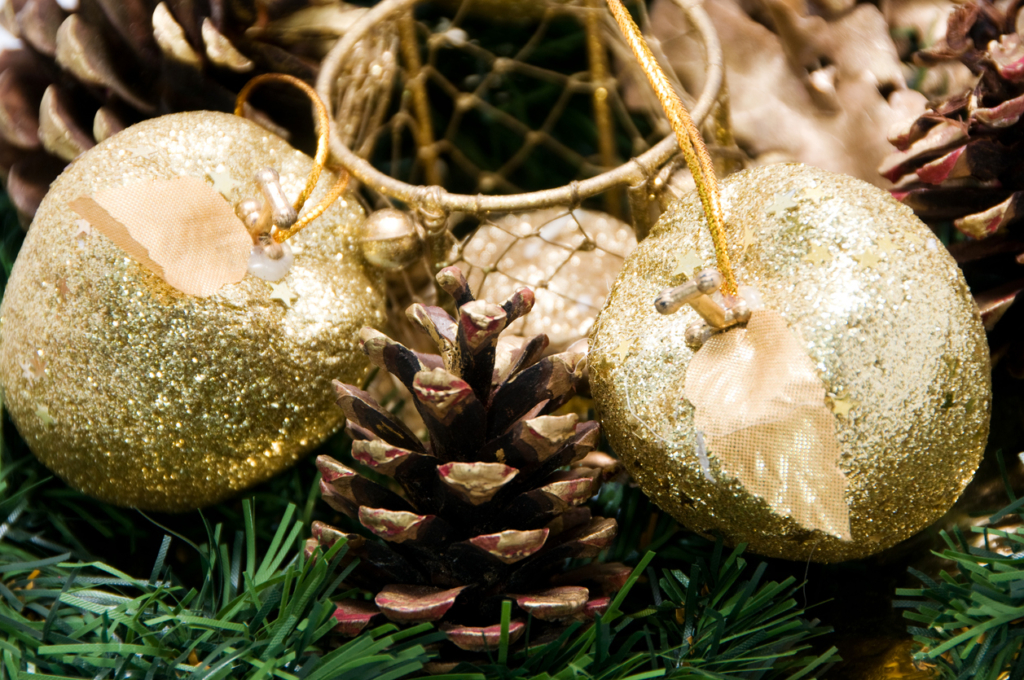
Santa’s sack wasn’t just filled with sweets and toys; tradition says it once held a golden apple, symbolizing abundance and prosperity. Receiving one was believed to promise a lucky year ahead.
The Magic of St. Lucy’s Day
December 13, St. Lucy’s Day, is another special date in the world of superstitions. People used various rituals to predict the future and protect themselves from harmful spirits.
One famous tradition is carving the St. Lucy’s chair over nine days. Sitting in this chair at church was said to reveal witches. These superstitions were both spooky and captivating, offering protection against witches and evil spirits.
The Importance of Christmas Silence
Christmas is steeped in superstition, being the heart of winter celebrations since ancient times. During Advent, keeping peace and quiet was especially important, as loud noises were believed to scare away good fortune.
In many rural areas, it’s still said that arguing or loud partying during this time can threaten family harmony in the coming year.
Imagine if we all followed this simple rule—could it bring us a more balanced year?
A Renewed Interest in Superstitions
Despite modern technology and rational thinking, interest in superstitions hasn’t faded. Maybe it’s human nature to hold on to beliefs that try to influence our lives. Many households still honor old customs—placing lucky objects or avoiding actions thought to bring bad luck. The continued presence of these superstitions shows how alive tradition remains within us.
As winter settles in, it’s worth noticing which beliefs shape our daily lives. How much do we rely on old customs, and how can we blend them into our modern world? One thing’s clear: superstitions add color to our days and remind us of our roots.