What we eat every day doesn’t just affect our physical health—it also plays a big role in how we feel emotionally. Modern nutrition science is increasingly recognizing the powerful link between food and mental wellness. We all face days when our mood dips, and it’s comforting to know that some foods can help us feel better. Numerous studies confirm that the right diet can significantly improve mental health, especially when combined with regular physical activity.
Chocolate – A Treasure Trove of Joy Molecules
Many people notice that chocolate instantly brightens their mood—and it’s not just in their heads. Chocolate is rich in tryptophan, an amino acid that helps the brain produce serotonin, often called the "happiness hormone." Plus, it’s packed with antioxidants that protect your cells and support overall well-being.
Berries – A Vitamin Powerhouse for Your Brain
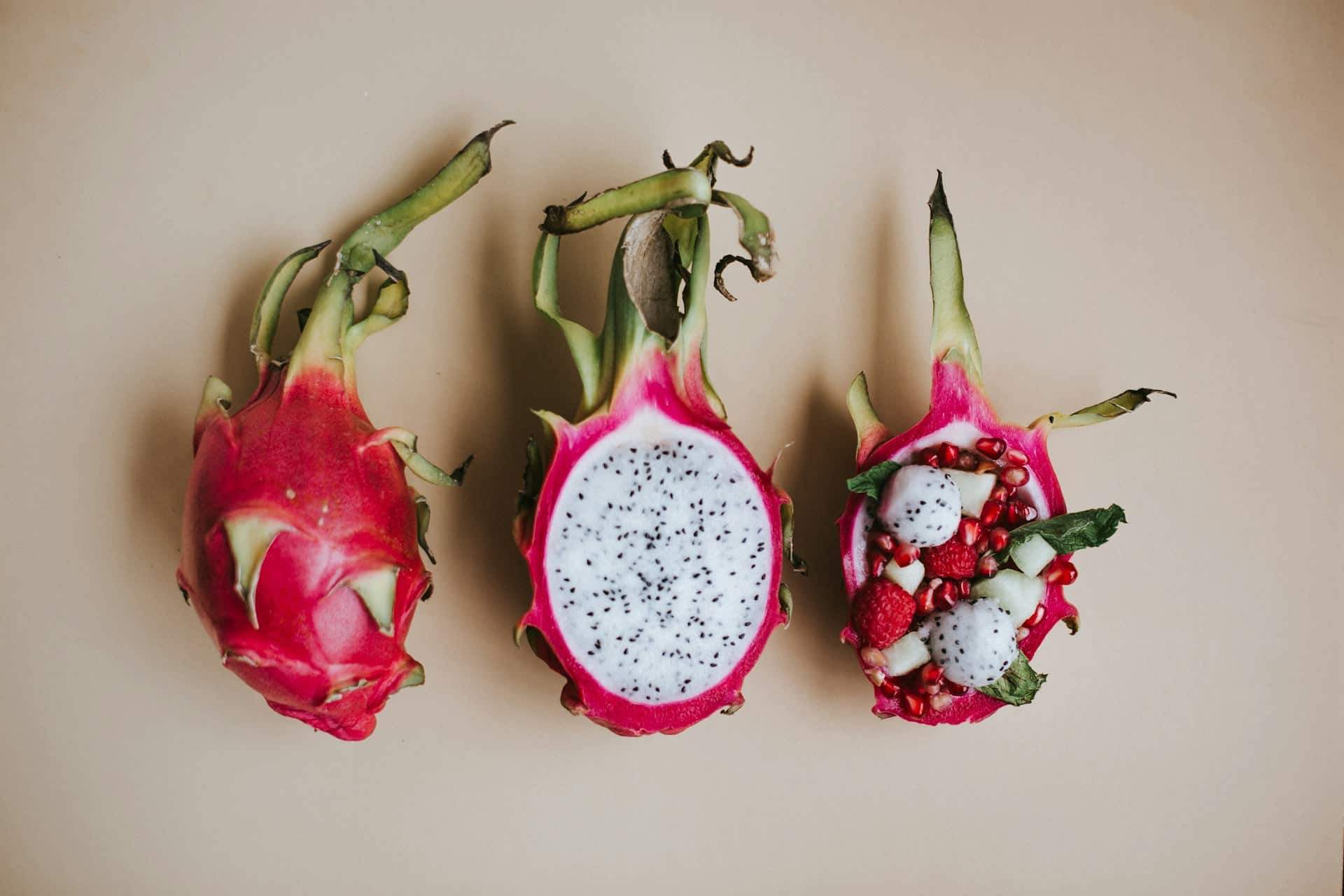
Berries like blueberries, strawberries, and raspberries are loaded with antioxidants and vitamins that support brain health and help fight stress. Eating them regularly can reduce inflammation, boost memory, and calm your stress levels—helping you feel more balanced and joyful.
Fatty Fish – A Treasure Chest of Omega-3s
Salmon, mackerel, and sardines aren’t just delicious—they’re packed with omega-3 fatty acids that support brain function. These healthy fats can ease symptoms of depression, sharpen focus, and clear your mind. A diet rich in omega-3s helps maintain mood balance and lowers the risk of mental health challenges over time.
Nuts and Seeds – Health in Every Handful
Almonds, walnuts, and other nuts are not only tasty but packed with nutrients like vitamin E, magnesium, and minerals that fuel brain activity. These little powerhouses provide an energy boost and contain healthy fats and proteins that keep your blood sugar steady—helping you stay calm and balanced.
Whole Grains – A Steady Source of Energy
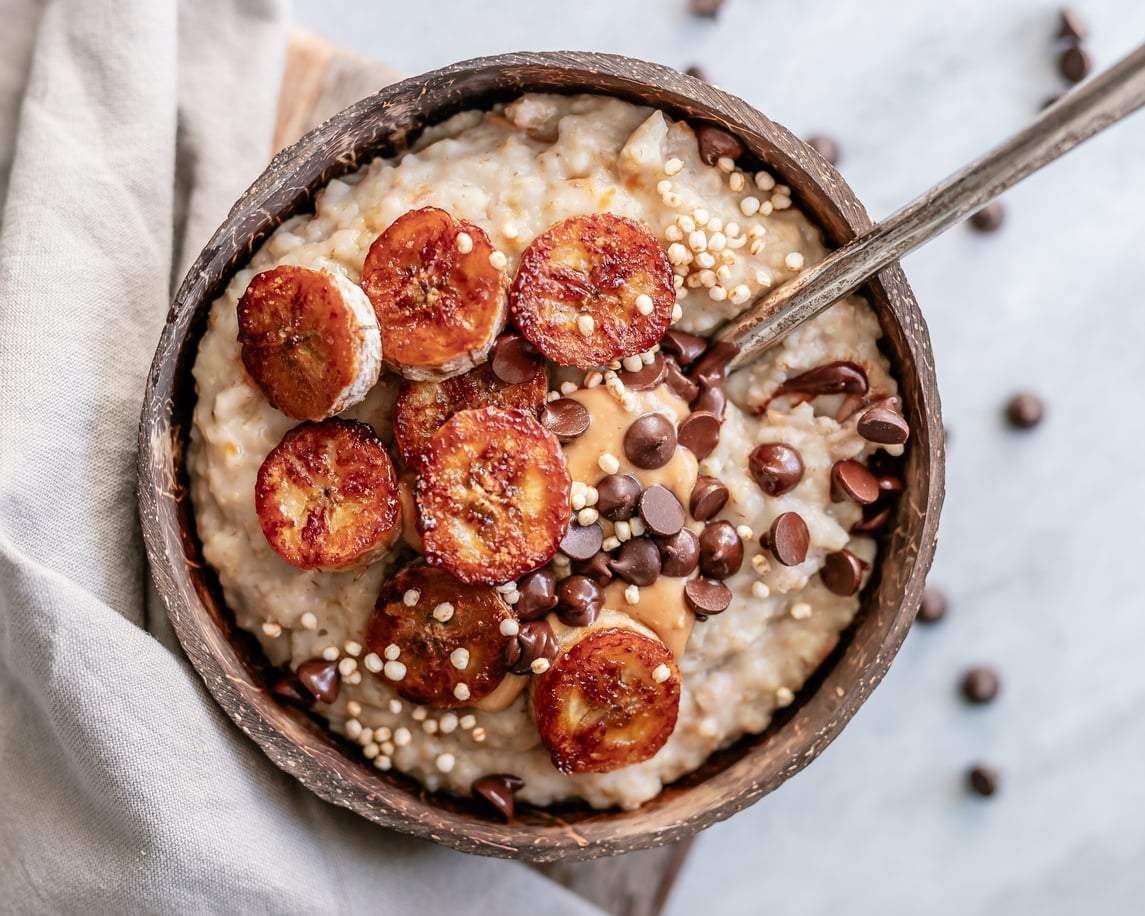
Whole grains like oats, brown rice, and whole wheat bread help keep your blood sugar steady—a key factor for mood and energy. They contain slow-digesting carbs that provide lasting energy, preventing sudden mood swings and fatigue.
Green Leafy Vegetables – Nature’s Green Wonders
Spinach, kale, broccoli, and other green leafy veggies are rich in folate and vitamin C—essential for a healthy nervous system. Low folate levels can contribute to depression, so eating these greens regularly supports both your body and mind. They’re also packed with antioxidants that fight free radicals and help your cells renew.
In short, whichever of these foods you choose, remember that your diet can be a powerful key to maintaining mental balance. A varied, balanced diet combined with regular movement plays a huge role in how we feel day to day and how well we handle stress and mood swings.