A humble, slightly old-fashioned vegetable that many still associate with school cafeterias or the "mandatory" holiday menu—but cabbage can do so much more. Set aside the stereotypes, and you’ll quickly see: this is one of the most exciting, versatile ingredients that definitely deserves a spot in your fridge or pantry.
Why Rediscover It?
Cabbage is a genuine superfood. Loaded with vitamins C and K, folate, antioxidants, and fiber, it’s also low in calories. It can aid digestion, support your immune system, and fermented, it’s especially good for gut health. Plus, it’s affordable, available year-round, and keeps well—a rare combo in today’s ingredients.
Yet It’s Been Pushed Aside
That’s why it’s especially interesting that cabbage is getting less attention in many countries. According to The Guardian, consumption in the UK has dropped by around 80% over the past fifty years. This isn’t just a nutrition issue—it means a highly versatile, sustainable, and creatively usable ingredient is disappearing from everyday kitchens.
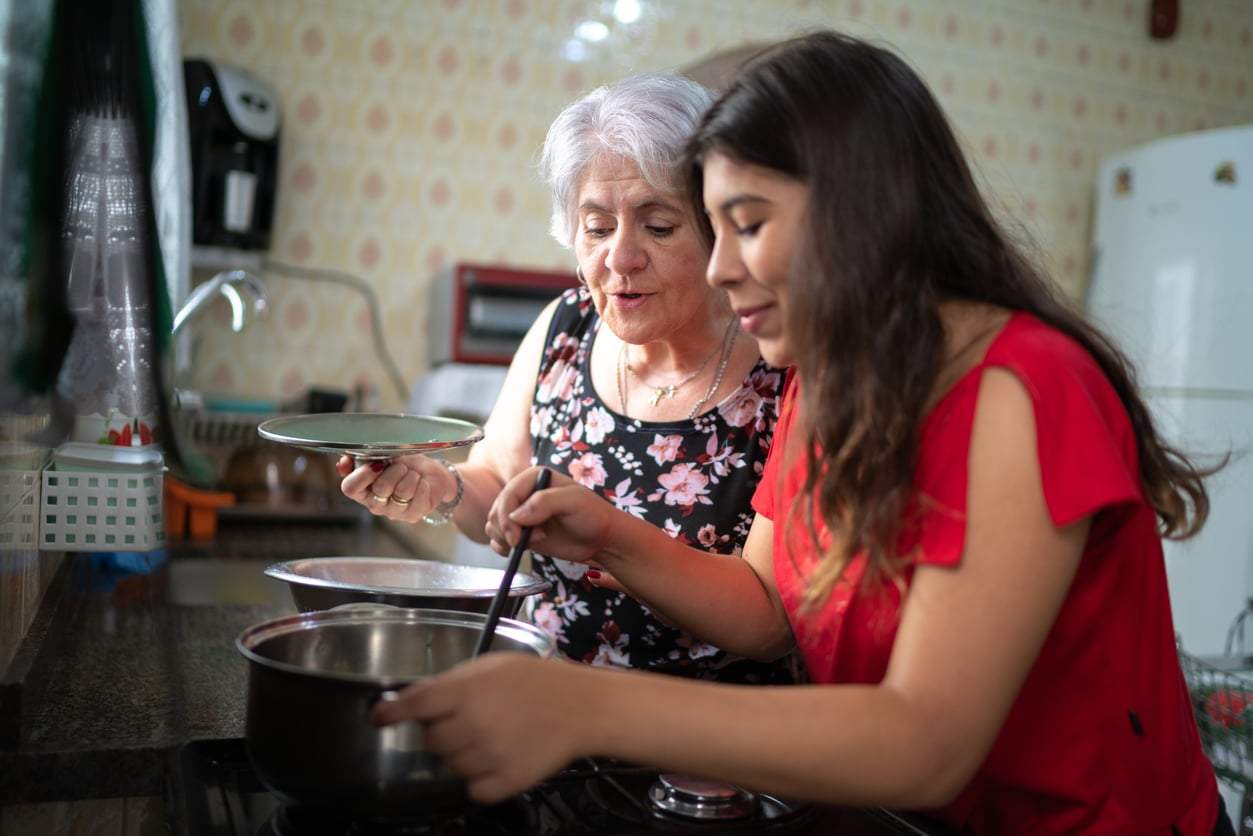
In Hungary, although cabbage has traditionally held a strong place—think sauerkraut, stuffed cabbage, or cabbage pasta—today it’s often seen as a holiday or “grandma’s” dish rather than a modern, everyday staple.
Raw: Surprisingly Refreshing
Cabbage is already surprisingly exciting raw. Thinly sliced or shredded, it makes a crisp, fresh base for salads. Beyond classic coleslaw, try a spicy, Asian-inspired cabbage salad with sesame oil, ginger, carrot, or red onion—a light yet flavorful side or even a standalone dish.
Cook It, But Don’t Overcook
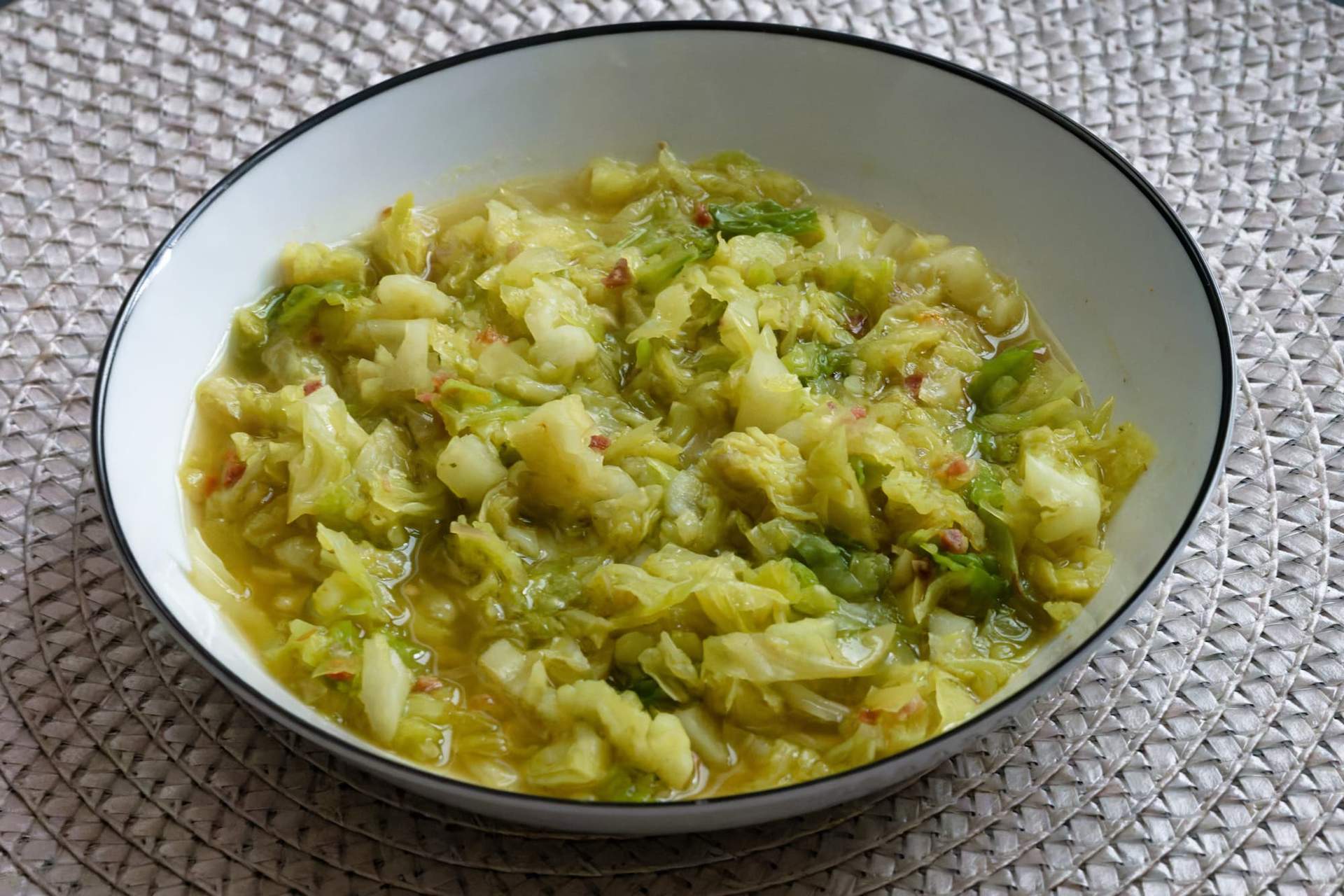
One of the biggest mistakes when cooking cabbage dishes is overcooking. A quick blanch, fast sauté, or gentle steaming brings out a whole new side. It works great in soups, one-pot meals, or as pan-fried veggies. With good seasoning, even the simplest cabbage soup becomes a comforting delight.
What to Do with Leftovers?
We’ve all been there: using half a cabbage for a recipe, while the other half waits in the fridge for days. That’s when leftover-friendly dishes come in handy. For example, Japanese okonomiyaki—cabbage pancakes made with egg, a bit of flour, and a sweet-savory sauce—make a quick dinner and help reduce food waste.
Pan-Fried, Grilled, or Slightly Charred
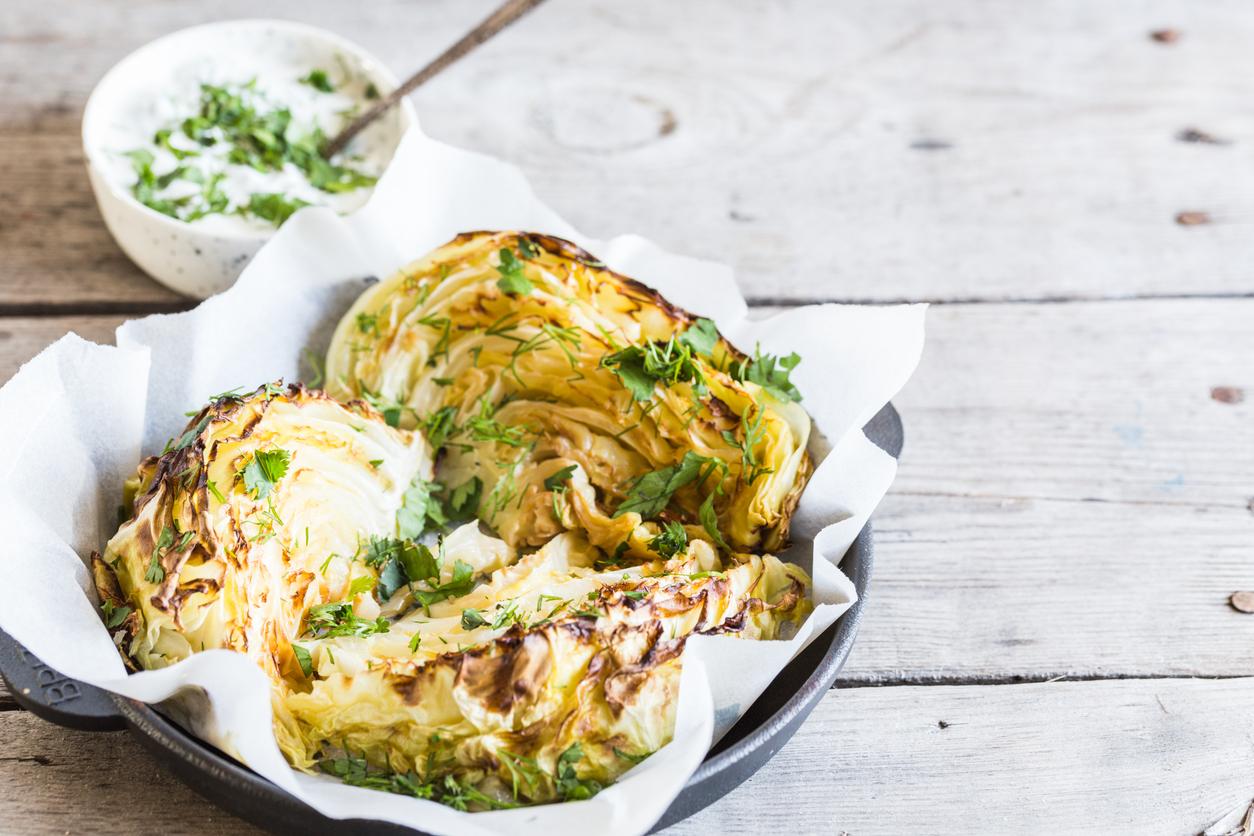
One of the biggest veggie trends recently is high-heat pan-fried or grilled cabbage. Pointed (hispi) cabbage wedges caramelize in a pan or on the grill, gaining a subtle smoky flavor and transforming into something extraordinary. Tossed with a yogurt, lemon, or miso dressing, it’s almost restaurant-quality.
Fermented: More Than a Trend
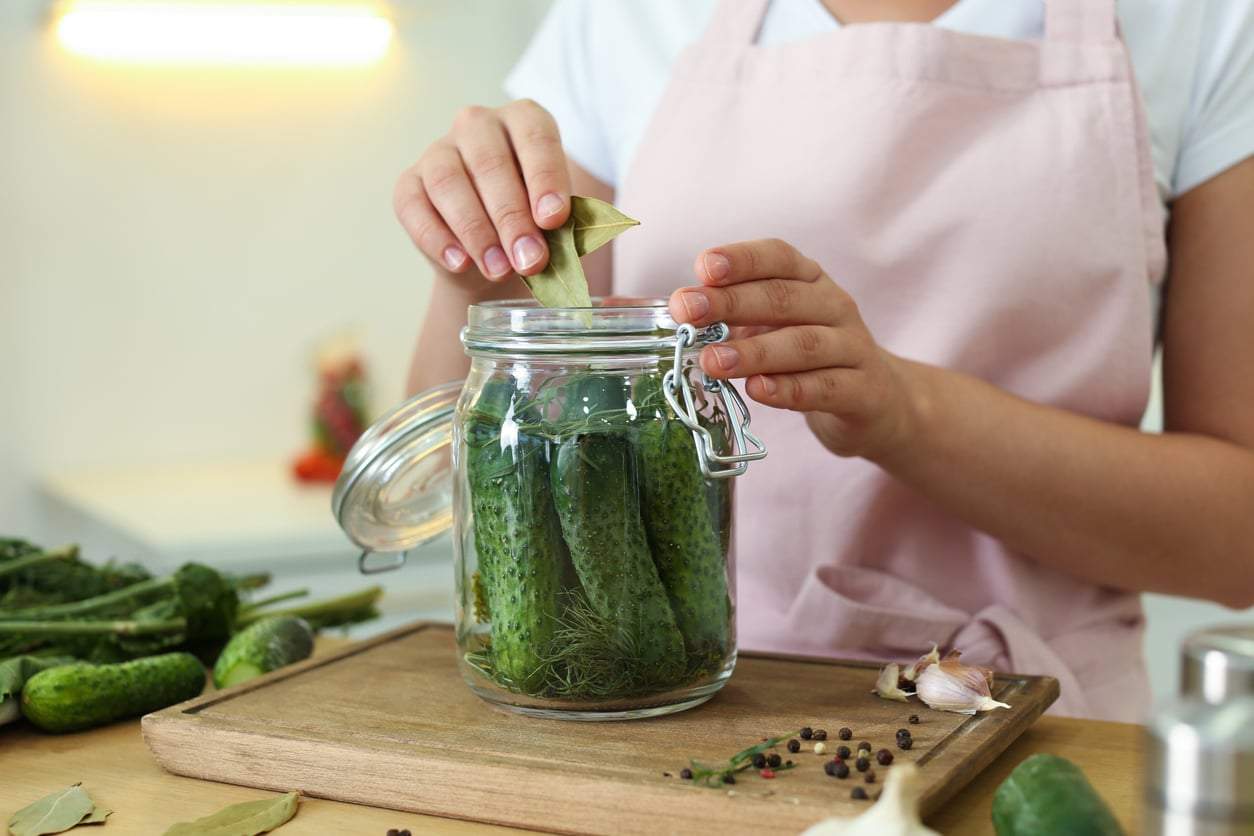
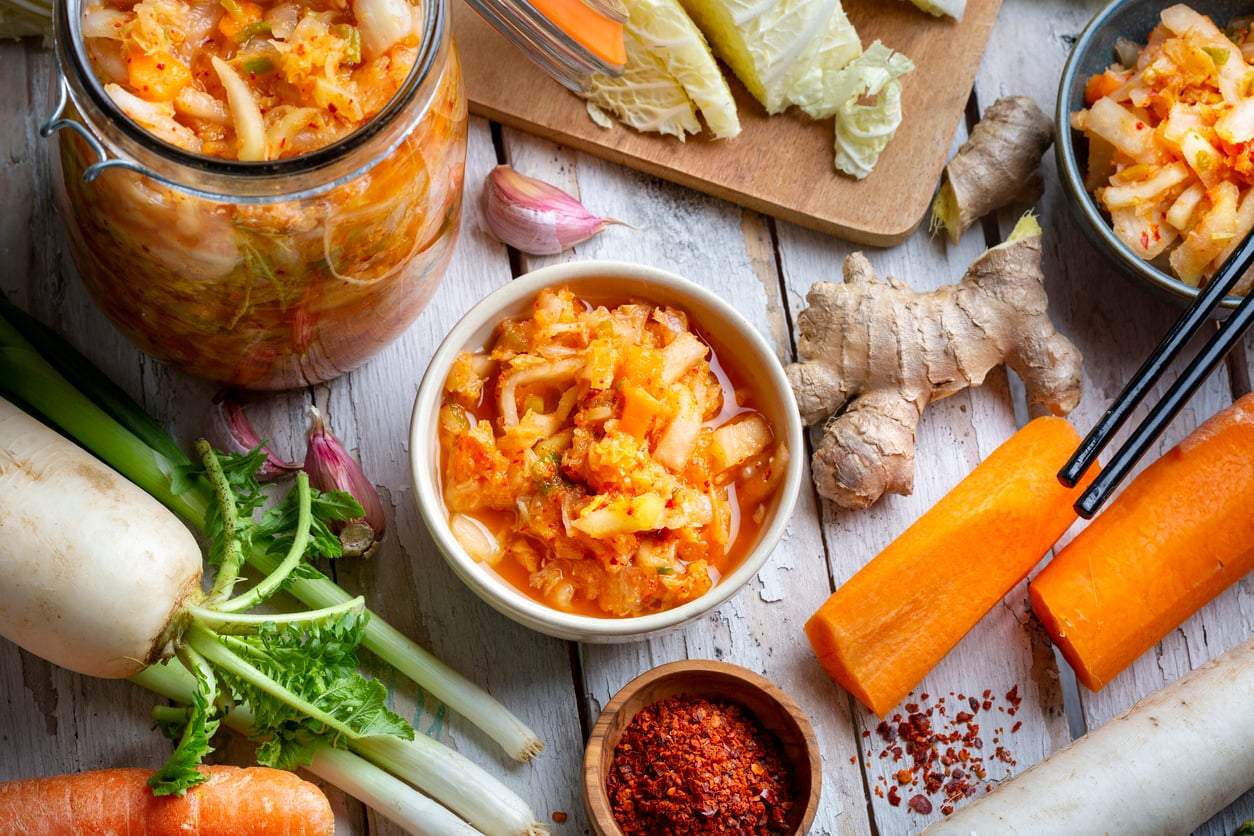
Fermented cabbage—whether sauerkraut or kimchi—is enjoying a well-deserved renaissance. The fermentation process creates beneficial bacteria that support digestion and immunity. If you don’t have patience for long fermenting, quick pickled versions offer that signature fresh, tangy flavor.
Cabbage and Pasta: A Classic with a Fresh Twist
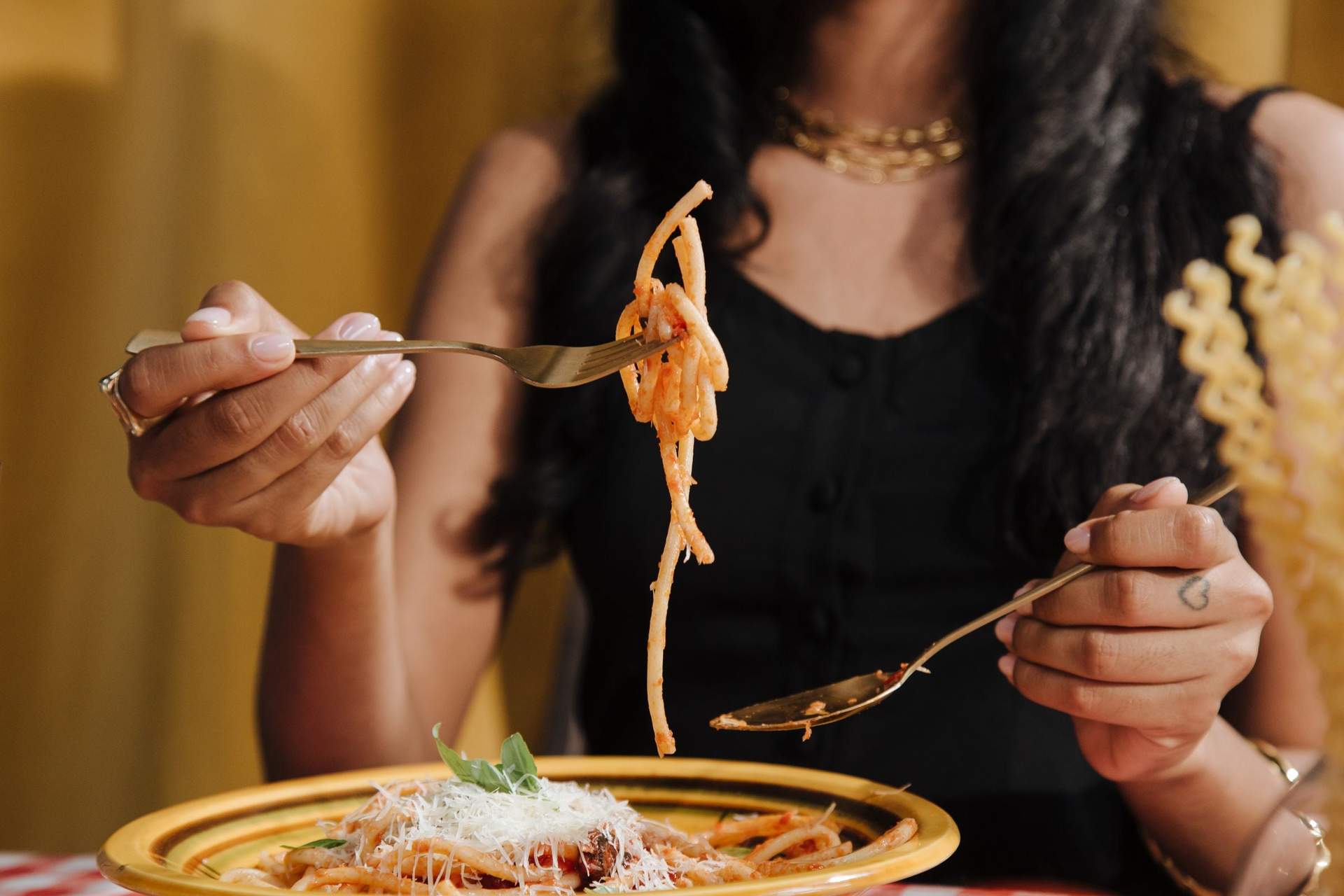
In Hungary, cabbage and pasta is no newcomer: cabbage pasta is a childhood staple for many. That’s why it’s exciting to reinterpret this classic.
If you don’t overcook the cabbage but gently sauté and caramelize it, maybe add fresh herbs or a pinch of chili, you get a lighter, more modern dish.
Besides traditional square-cut pasta, it works well with other short pastas, whole grain, or egg-free options. It also shines with Asian noodles like rice or glass noodles—a dish that’s both nostalgic and surprisingly modern.
Make It a More Frequent Guest in Your Kitchen
Cabbage isn’t boring or old-fashioned, and it’s definitely more than just a side or pickle. Look at it with fresh eyes, and you’ll find an affordable, healthy, and incredibly creative ingredient that fits perfectly in a modern, mindful kitchen. It’s time to welcome it back—not just for nostalgia, but simply because it’s worth it.