It’s safe to say that the 1920s, especially the so-called “Roaring Twenties” after 1925, marked the dawn of women’s social freedom through fashion. Looser silhouettes and modern fabrics like jersey and viscose stockings emerged alongside women winning the right to vote.
For the first time in a decade, women wore looser clothing that revealed their limbs. Boyish shapes took center stage, replacing tight, waist-emphasizing cuts. The popular tubular “la garçonne” look, often paired with a hat, became the era’s signature uniform—thanks in large part to Coco Chanel, who popularized the style and became one of the decade’s most celebrated designers.
Sportswear and daywear also gained popularity. While sportswear had long been accepted as everyday men’s attire, women quickly embraced comfortable pieces inspired by tennis styles, thanks to designers like Jane Regny and Jean Patou. Evening wear saw the rise of cocktail dresses that combined simple day dress cuts with luxurious fabrics like velvet, fringes, and patterns drawn from Surrealism or Art Deco.
Flapper Style
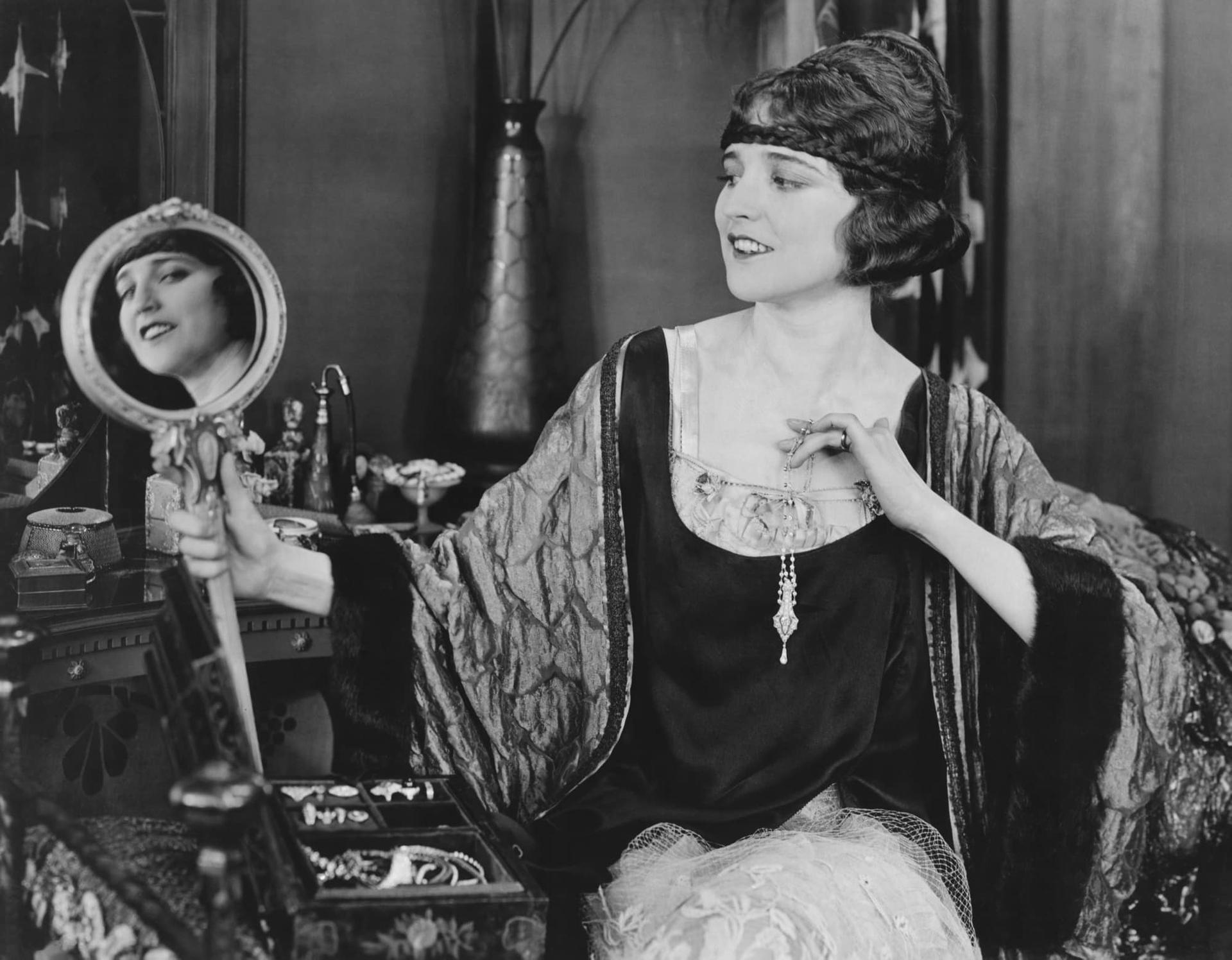
You can’t talk about 1920s fashion without thinking of The Great Gatsby’s dazzling portrayal of glamour and excess. The term Jazz Age, popularized by Gatsby’s author F. Scott Fitzgerald, refers to a time when jazz—rooted in African American culture—became the soundtrack of youth. Its signature dance, the Charleston, replaced the waltz, with lively rhythms demanding quick moves and waving arms—hence the nickname “flapper.” Dresses had to move freely, featuring shorter hems and often beaded fringes that swayed with every step.
La Garçonne
After literally rolling up their sleeves and supporting the economy during the war, women definitely didn’t return to Victorian’s stiff (and sometimes suffocating) styles. The boyish, more masculine “La Garçonne” look emerged, featuring straight, loose cuts that flattened the bust and hips. Coco Chanel led this trend again, alongside young French designer Jean Patou, who popularized two-piece pullover-skirt sets, day dresses, and sportswear made from luxurious wool jersey.
Elsa Schiaparelli, the queen of surrealist fashion, brought the practical, functional art approach of the Art Deco movement to life. The result? Collections adorned with geometric patterns, linear shapes, and gilded details.
The Cloche and the Bob
Hat designer Caroline Reboux popularized the small, rounded cloche hat in 1908—named after the French word for “bell”—which became inseparable from the bob haircut. This radical bob, famously worn by Coco Chanel, was initially harshly criticized by conservative family members before becoming the standard cut of the 1920s.
The Little Black Dress
Another major innovation by Coco Chanel was the little black dress. Before this era, black was mostly associated with mourning and wasn’t considered fashionable evening wear. But Chanel’s 1926 little black dress was completely modern. Its flattering cut and universal appeal quickly made it a wardrobe staple. The little black dress soon became a cornerstone of women’s closets and secured its place as a timeless classic in fashion history.
Still Inspiring Us Today
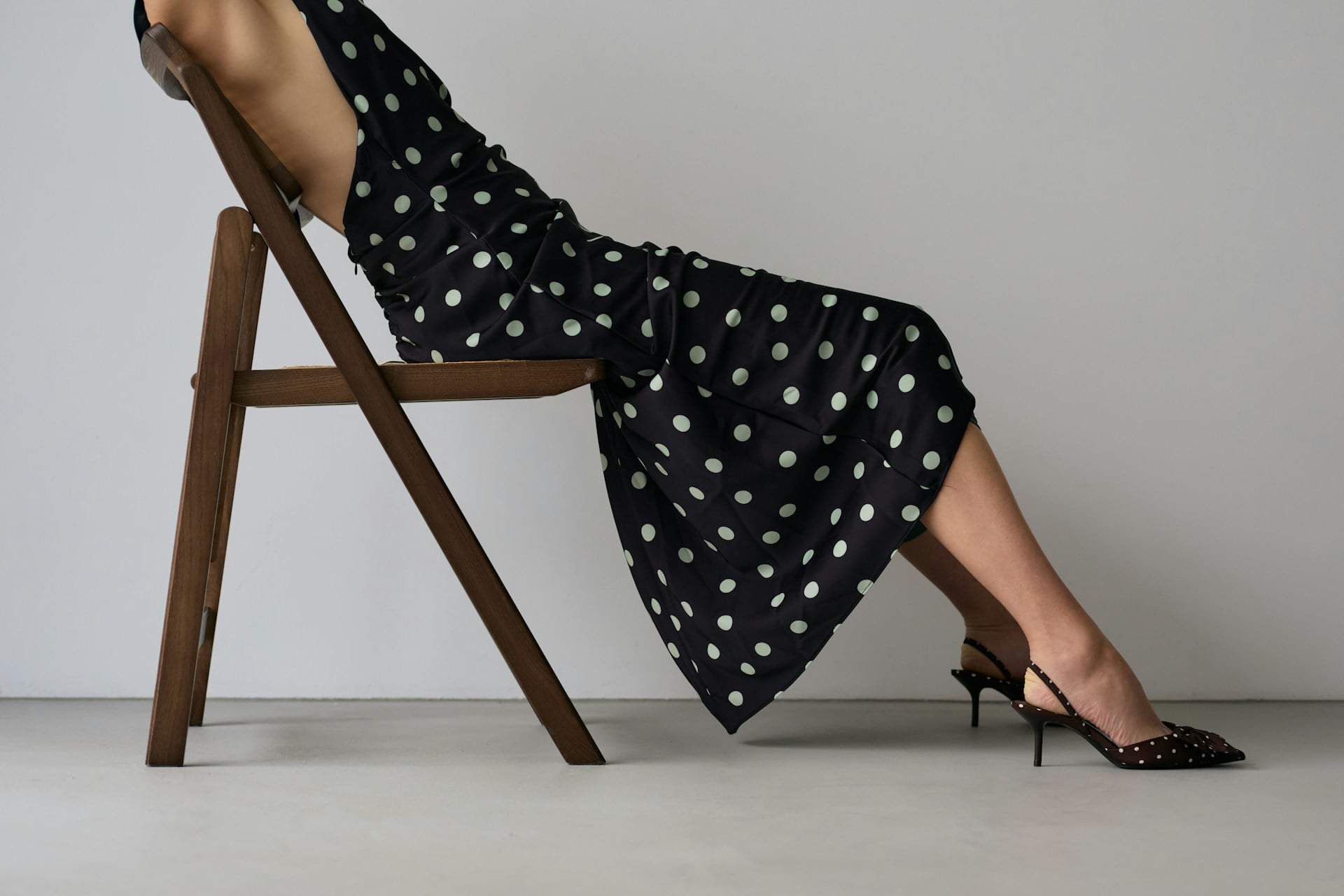
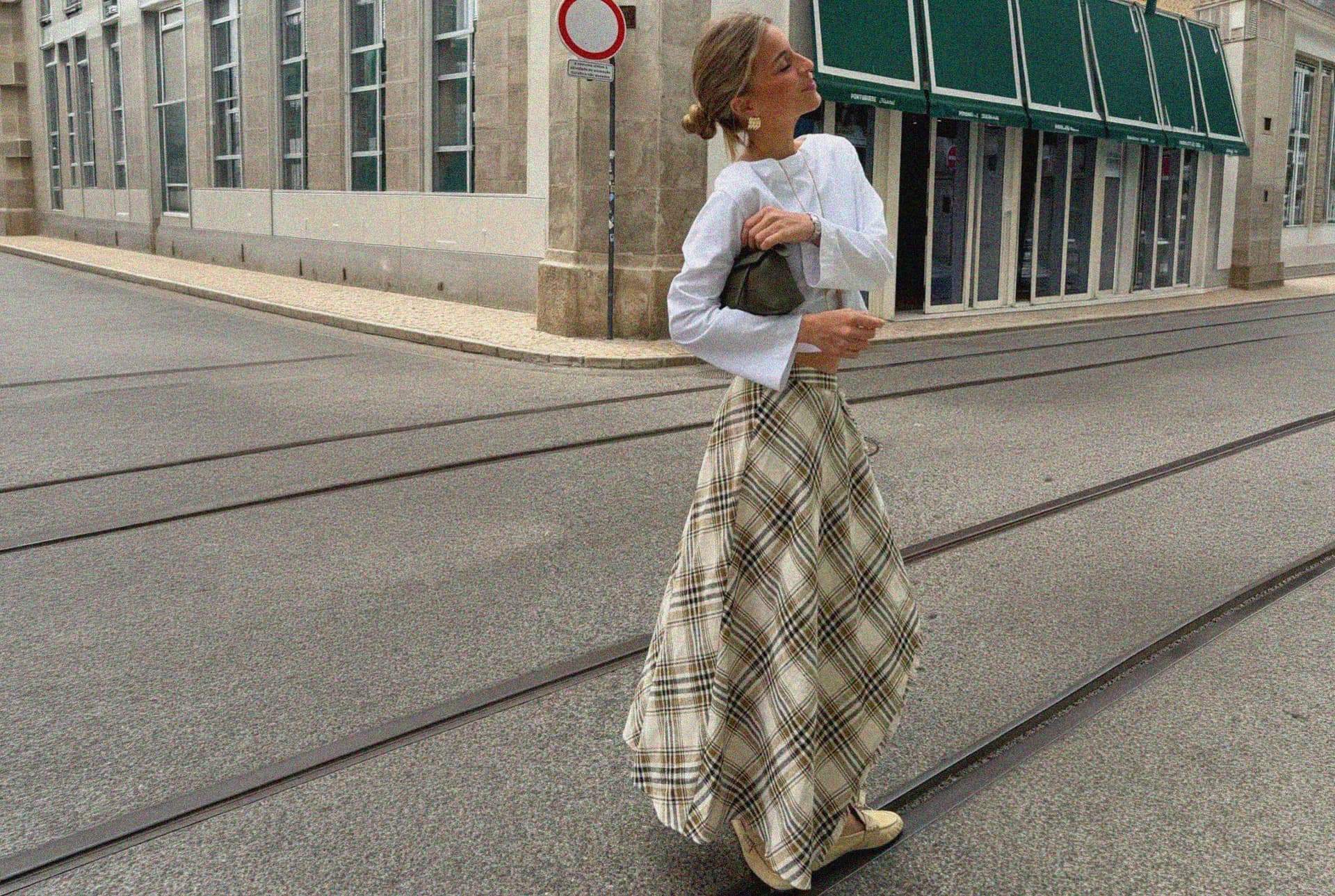
The loose lines and bold details of the 1920s continue to influence fashion today. Low-waisted dresses are making a comeback on the streets and runways alike. Flapper-style beaded fringes and delicate lace inserts appear on evening gowns, while oversized cloche hats return as statement accessories. Chanel’s legacy lives on in comfortable, stretchy knits that remain wardrobe essentials. And the little black dress stays indispensable, refreshed every season with new shapes and details. The free-spirited vibe of the ’20s still inspires us all.