Bien Logo

Here’s What Happens When You Replace Your Toothbrush Too Infrequently

Deborah Clark3 min read
Share:
Here’s What Happens When You Replace Your Toothbrush Too Infrequently — Health
In this article

Many of us pay attention to picking a toothbrush with the right size and bristle type, and plenty of us have experimented with whether a manual or electric toothbrush works better. But far fewer of us think about when to replace our toothbrush. Often, we’re just not sure if it’s necessary, so we only toss it when it looks worn out and useless.

How Often Should You Really Replace Your Toothbrush?

Most dentists recommend swapping your toothbrush every 3-4 months if you’re healthy. This can vary depending on your brushing habits and how you store your brush. Research shows that about 50% of Hungarians replace their toothbrush every 2-3 months, nearly 20% buy a new one 2-3 times a year, and a similar number use their toothbrush for just one month.

What’s surprising is that over 10% of Hungarians replace their toothbrush only once a year or even less often, which can be risky. Luckily, most toothbrushes don’t last that long anyway. But even if yours does, sticking to the 3-4 month rule and tossing it after that period is the safest bet.

Why You Shouldn’t Delay Replacing It

After a few months, most toothbrushes don’t just look bad—they stop doing their job properly, which is to keep your teeth clean. Our mouths naturally host many bacteria daily. Some are essential, but others are linked to infections or illnesses. These bacteria can stick to your toothbrush bristles and even transfer to your toothpaste if you’re not careful.

If you’ve had a cold or any inflammation in your mouth, replace your toothbrush right after you recover. Otherwise, you risk catching the same infection again. Even if you feel fine for months, changing your toothbrush every 3-4 months is still smart because bacteria build up over time.
When Should You Replace Your Toothbrush Even More Often?

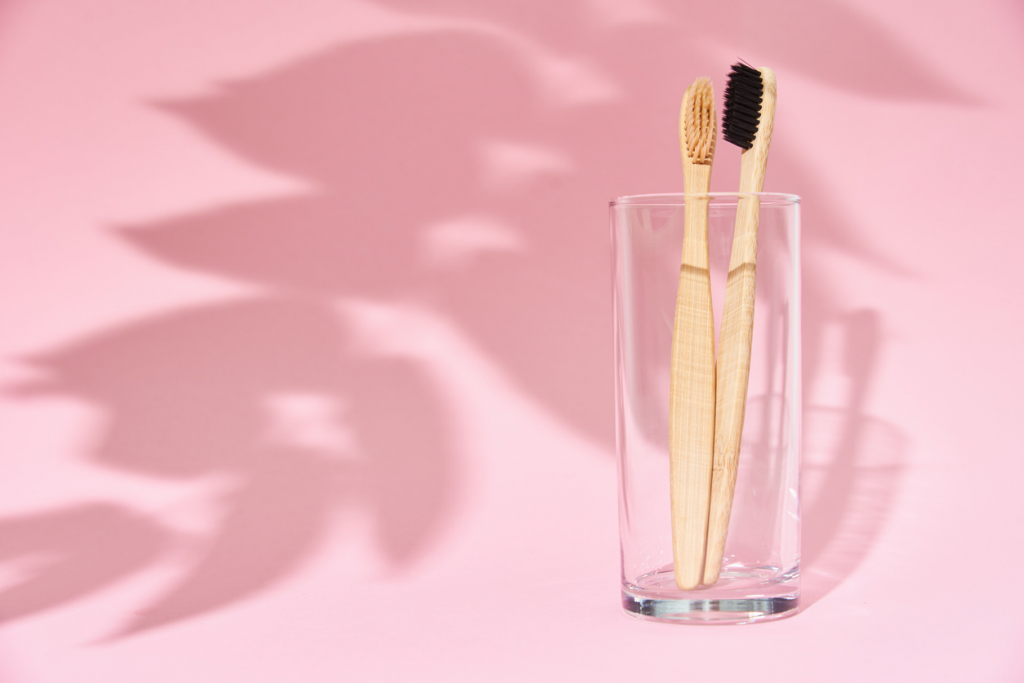
In some cases, it’s smart to replace your toothbrush more often than every 3-4 months. For example, if you brush three or more times a day, your toothbrush will wear out faster. If you use an electric toothbrush, change the brush head every three months or sooner if you notice the bristles getting shorter—that’s totally normal.

Remember, no matter the type, toothbrush bristles need to be flexible yet strong enough to remove plaque and food particles. If you see damaged bristles, it’s time to toss your brush. The same goes if your toothbrush looks dirty after just a few weeks—maybe because you didn’t clean it properly. In that case, it’s better to say goodbye and grab a fresh one.

Related reads

Why You Shouldn’t Brush Your Teeth Right After Eating These Foods — Health

Why You Shouldn’t Brush Your Teeth Right After Eating These Foods

We all want a healthy smile, and brushing your teeth is key to keeping it that way. But when it comes to great brushing habits, timing is just as important as technique. Have you ever wondered when the best time to brush is? Some say right after eating is best, but for certain foods, waiting a bit can actually protect your teeth better.

Deborah Clark
The gut-brain connection: what a gastro-psychologist wants you to know about cooking — Lifestyle

The gut-brain connection: what a gastro-psychologist wants you to know about cooking

Cooking is more than a daily chore — it can reduce stress, boost creativity, and even support your mental health. A gastro-psychologist explains how and why.

Deborah Clark
The biggest lie summer told me — and why I'm finally letting it go — Health

The biggest lie summer told me — and why I'm finally letting it go

Summer is supposed to mean freedom. So why do so many of us spend it following stricter rules than ever? It's time to talk about the bikini body myth.

Deborah Clark
What Happens If You Skip Brushing Your Teeth for 2 Days? Your Dentist Would Be Shocked — Health

What Happens If You Skip Brushing Your Teeth for 2 Days? Your Dentist Would Be Shocked

If you ever decide to skip brushing your teeth one morning, it’s important to know the consequences. Rethinking this choice can really protect your health.

Isabella Reed
Don’t Rush to Brush! 5 Foods and Drinks to Wait on Before Brushing Your Teeth — Health

Don’t Rush to Brush! 5 Foods and Drinks to Wait on Before Brushing Your Teeth

Brushing your teeth is a key part of daily oral care, essential for keeping your smile healthy. But brushing right after certain foods and drinks can actually harm your sensitive enamel.

Isabella Reed
This is what happens in your body if you only brush your teeth once a day — Health

This is what happens in your body if you only brush your teeth once a day

Everyone can occasionally miss a brushing session in the hustle and bustle of busy weekdays. Although it may seem like a small thing, regularly skipping brushing can lead to serious problems in the long run.

Isabella Reed