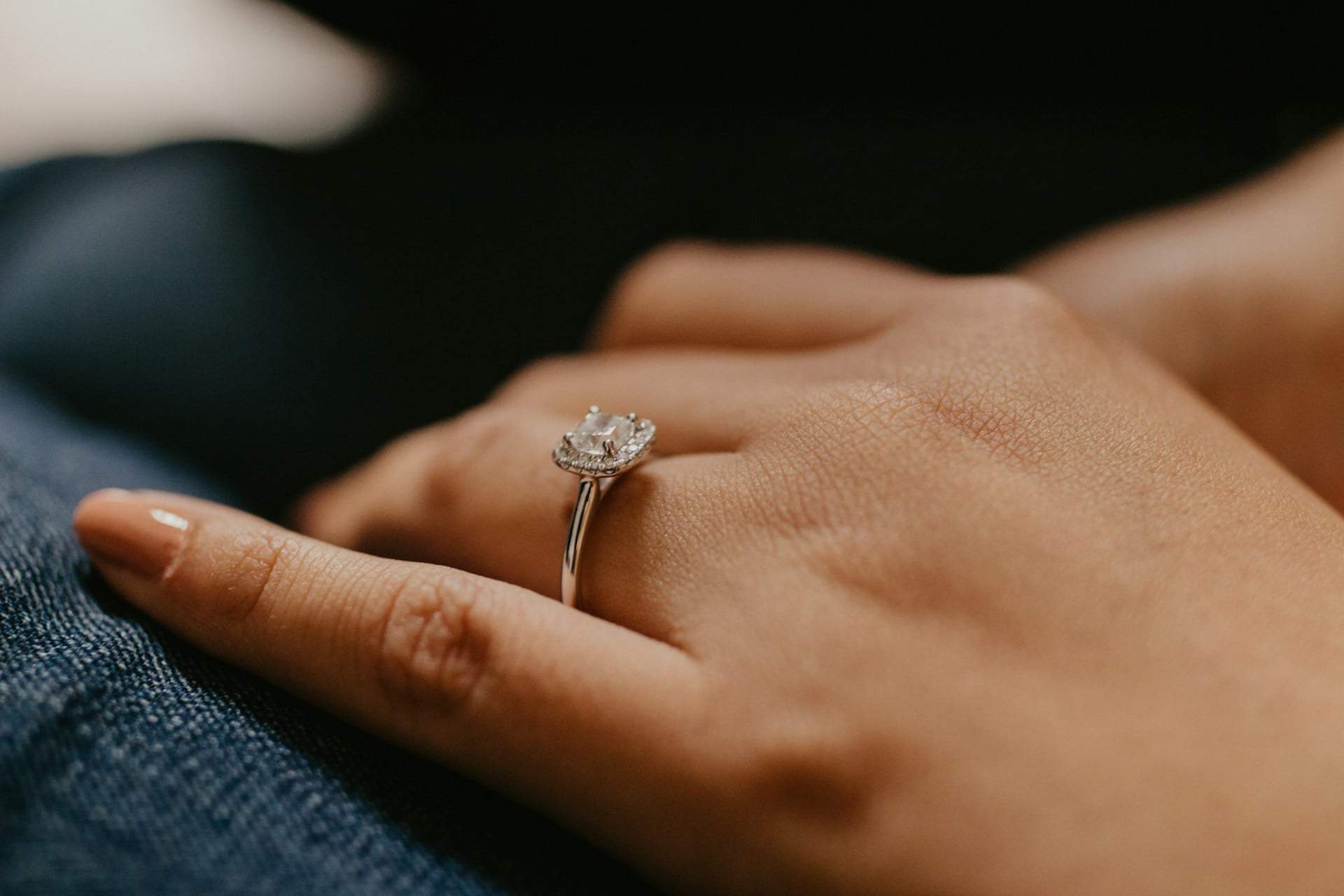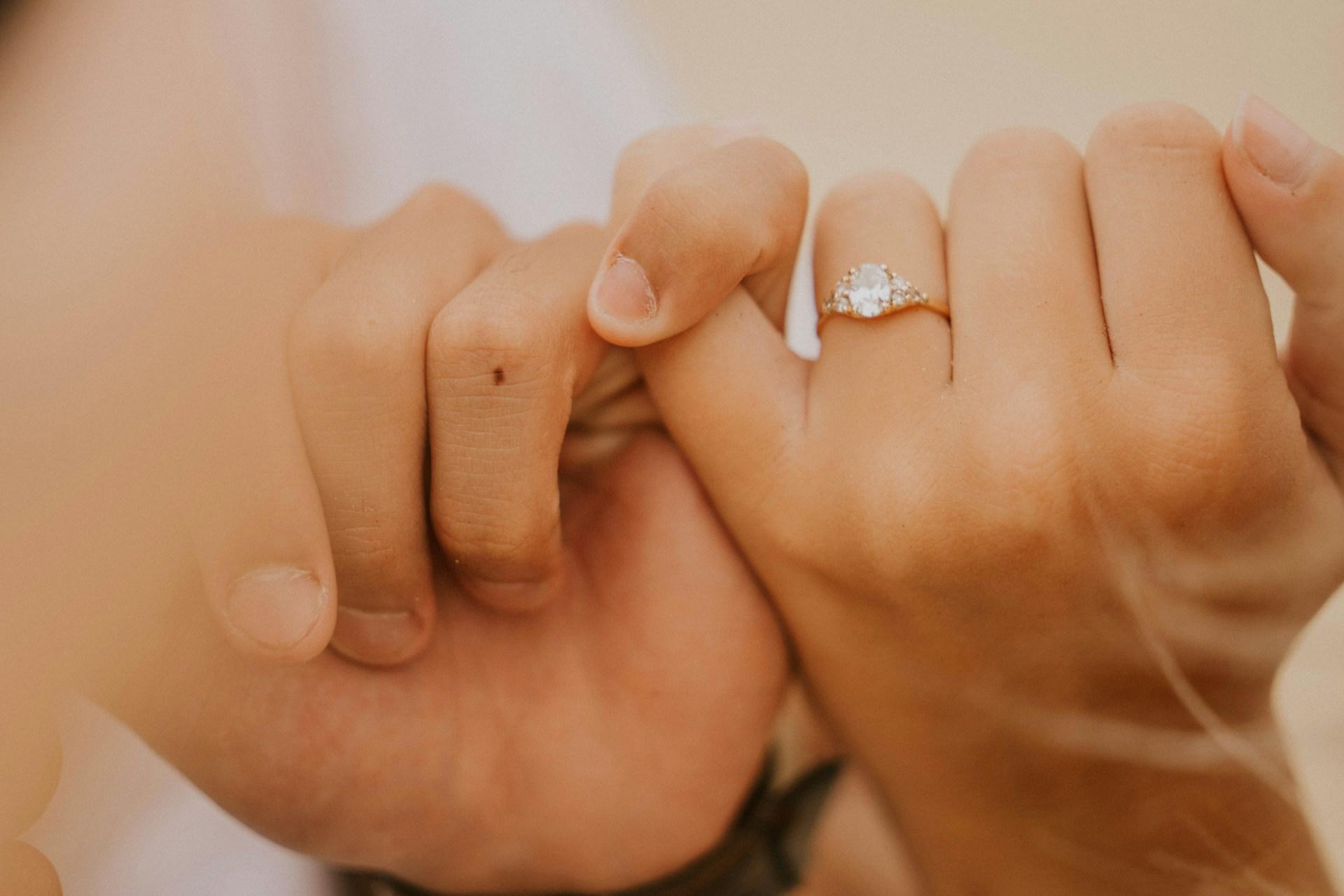
Something has caught my eye among my friends over the past year or two. I’m at that age when many of my friends get engaged, and after the excited announcement, they proudly show off the sparkling ring on their finger. The routine is always the same: an excited hand gesture, the finger held up in front of my face, polite admiration for how beautiful the jewelry is—and of course, how stunning the stone looks. And almost without fail, comes the whispered half-sentence: “it’s not real… just a lab-grown diamond.”
I always get a little stuck on that "just."
Because a Lab-Grown Diamond Is Not a Fake
It’s not cubic zirconia, not glass, not some clever marketing trick. Chemically and physically, it’s the exact same material as a mined diamond: crystalline carbon with the same hardness, brilliance, and durability. The difference lies in how it’s made.
In nature, diamonds form deep in the Earth’s crust over millions of years under extreme pressure and heat. In the lab, this process is replicated—either through high-pressure, high-temperature methods or chemical vapor deposition.
The result: a stone identical in structure, just not from a mine but a reactor.
There’s no difference in looks or durability. What does differ is the price—lab-grown stones are typically much more affordable—and the story behind the supply chain.
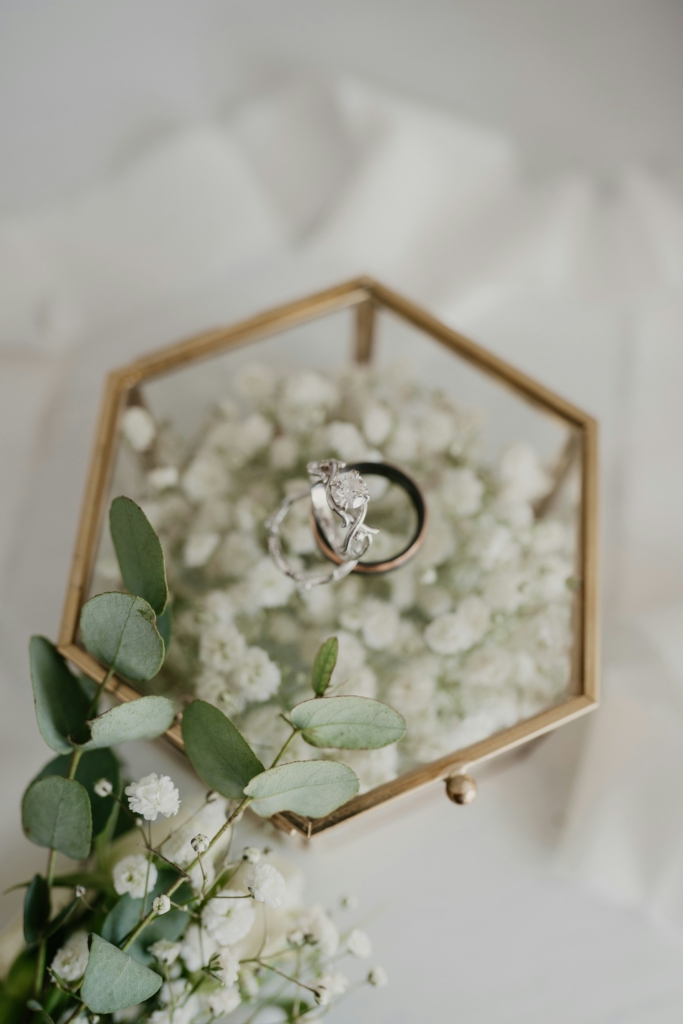
When choosing a stone for an engagement ring, there are practical things to consider. It should be hard enough to resist scratches, durable for everyday wear, and not fade or break. Diamonds—no matter their origin—meet these criteria perfectly. But what determines value isn’t the Mohs scale; it’s us. As a society, we’ve agreed that certain minerals are precious. An emerald or diamond is pricier than a similarly sized pebble, even though both are minerals physically. Price comes from the story, the rarity narrative, status, and tradition.
Mined diamonds also owe their value to decades of savvy marketing. Mid-20th-century campaigns by De Beers—like “A Diamond Is Forever”—linked diamonds with eternal love. This isn’t an ancient tradition but a hugely successful cultural idea.
And here’s where I start to get a little judgy. But not toward those wearing lab-grown stones.
Because while I fully respect that everyone spends their money as they wish, it’s hard not to notice the contradiction. If two stones look the same, last equally long, and share the same chemistry—but one costs way more just because it was dug from the ground—what exactly are we paying for? The feeling of “realness”? Tradition? Status?

Plus, Mined Diamonds Don’t Always Have a Spotless Story
Stones from conflict zones, exploitative labor conditions, and environmental damage have been—and sometimes still are—part of the industry. Certification systems have improved things, but ethical concerns haven’t disappeared entirely. Lab-grown stones, on the other hand, usually come with more transparent supply chains and a smaller ecological footprint.
So when someone whispers “it’s just a lab-grown diamond,” I want to ask: why “just”? Why apologize for a choice that’s more rational, cost-effective, and in many ways more ethical?
My take is that there’s nothing to be ashamed of here; in fact, it’s a forward-thinking choice. If the engagement ring tradition were starting fresh today, it’s unlikely the pricier, environmentally and socially costly option would be seen as the “real” one. The fact that it is says more about our habits than any real difference between stones.
It might sound harsh, but if someone today insists on a mined diamond purely out of some dogma—knowing it’s no better, just more expensive and with a heavier story—then maybe they should speak a little more quietly about it. Not because they’re a bad person, but because it’s worth reflecting on what we’re really celebrating: love, or a well-woven myth.