For me, Hungarian cuisine has always meant home, memories, festive lunches, and weekend feasts—my grandma’s delicate noodle chicken soup, which I’d sneak multiple bowls of before noon, the smell of fried dough at the beach, or Sunday chicken paprikash served with dumplings and sour cream.
Then came the diagnosis: gluten, dairy, and egg protein sensitivities. At first, I was shocked and wondered how I’d ever enjoy these dishes again—if I ever would. Back then, the answer wasn’t clear. But today, it definitely is: yes, I will. In fact, I do—free-from and feeling better than ever.
Early Experiments: Disappointments and Surprising Wins
At first, it wasn’t easy. Some of my first gluten-free baked goods felt more like cement than homemade treats.
Many plant-based milk alternatives fell short of the familiar taste, and “free-from” breads often resembled sponges more than pastries. But I didn’t give up.
I started paying attention, reading, experimenting—and most importantly, seeking quality local ingredients, believing Hungarian cuisine could shine free-from too. My hunch was right: over time, compromises faded and genuine enjoyment grew.
Reimagining Chicken Paprikash—Still My Favorite
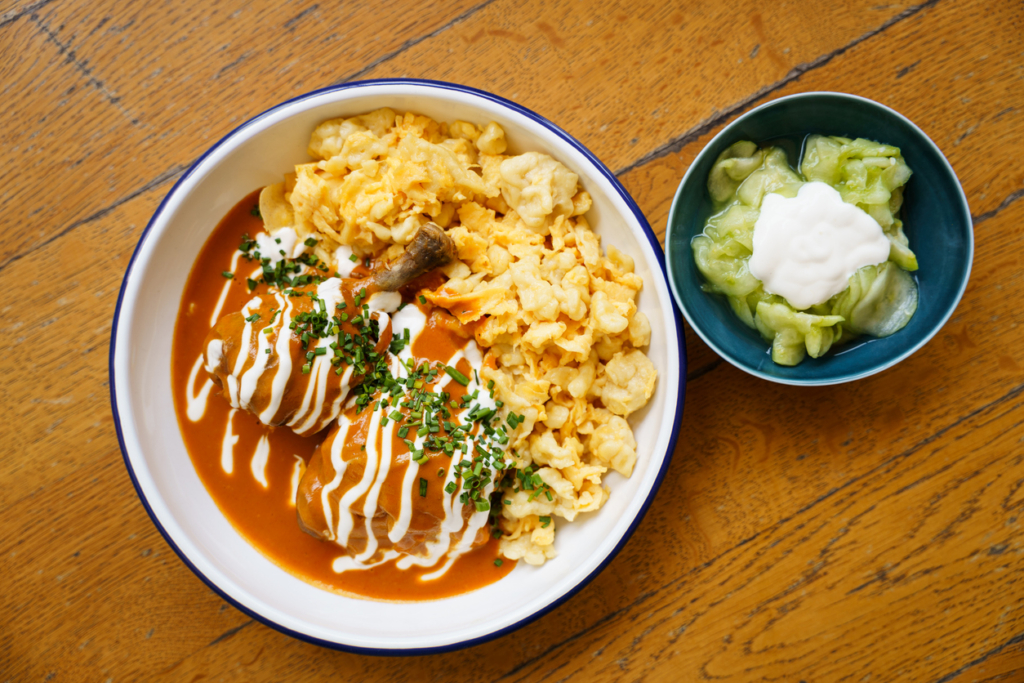
Chicken paprikash was my first “big challenge.” I thought it wasn’t the same without dumplings. But I didn’t yet know that some Hungarian brands craft gluten-free flour mixes so beginners can easily make beautiful dumplings—even if they’d only watched their moms mix the batter before. Plus, there’s now a great selection of quality gluten-free pastas, and I’ve found several favorites.
The paprikash itself needs little change—a splash of plant-based sour cream, good paprika, onion, fresh peppers, tomatoes, and it’s ready.
I still make it regularly, and guests often don’t even notice it’s free-from. Some even appreciate having free-from options, even without dietary restrictions.
Chicken Soup Made Simple but Spectacular
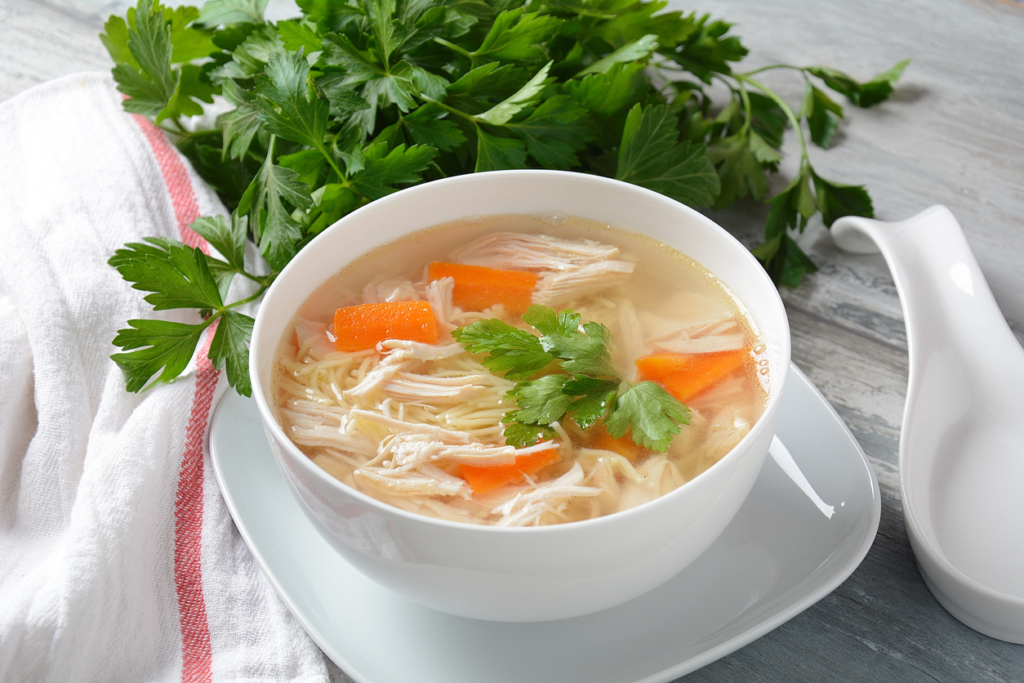
Chicken soup is my comfort food. It wasn’t hard to adapt: good-quality gluten-free noodles are widely available, and since the broth is naturally free from gluten and dairy, I just focus on seasoning and ingredient quality.
Now I cook more mindfully—using extra fresh root vegetables and keeping a variety of fresh herbs on hand. My old chicken soup hasn’t disappeared; it’s just cleaner and maybe even tastier.
Bean Goulash, Stews—Free-From Doesn’t Mean Giving Up
With dishes like bean goulash or a good stew, I found they’re almost naturally free-from. Just a few tweaks—like skipping or replacing the roux—and choosing the right sides. Gluten-free pasta, brown rice, basmati, roasted veggies, buckwheat, sweet potatoes, or simple potatoes all work beautifully.
Many Hungarian dishes revealed to me that classic versions often include unnecessary extras—and leaving them out can make the dish even better. A stew, for example, is Hungarian not because it’s thickened with flour, but because of quality meat, paprika, and of course, patience.
Veggie Stews Reloaded—Mastering Thickening
Almost every veggie stew used to be thickened with flour-based roux.
Now I know thickening with the veggies themselves can be just as delicious—sometimes even better. If needed, gluten-free oat or brown rice flour and a touch of plant-based sour cream make for heavenly stews.
Dishes like sorrel stew, zucchini stew, or lentils are regulars at my table—and I never feel like I’m compromising. I just prepare them differently, and they stay wonderfully Hungarian.
Sweet Life Free-From—From Pancakes to Dobos Cake
Desserts were definitely more challenging. I had to relearn old favorites with new ingredients and techniques—but gained fresh experiences in return.
Millet-based “Túró Rudi?” Yes, it’s possible and surprisingly tasty. Chestnut purée doesn’t need cream—just a bit of plant-based alternative and quality chestnuts.
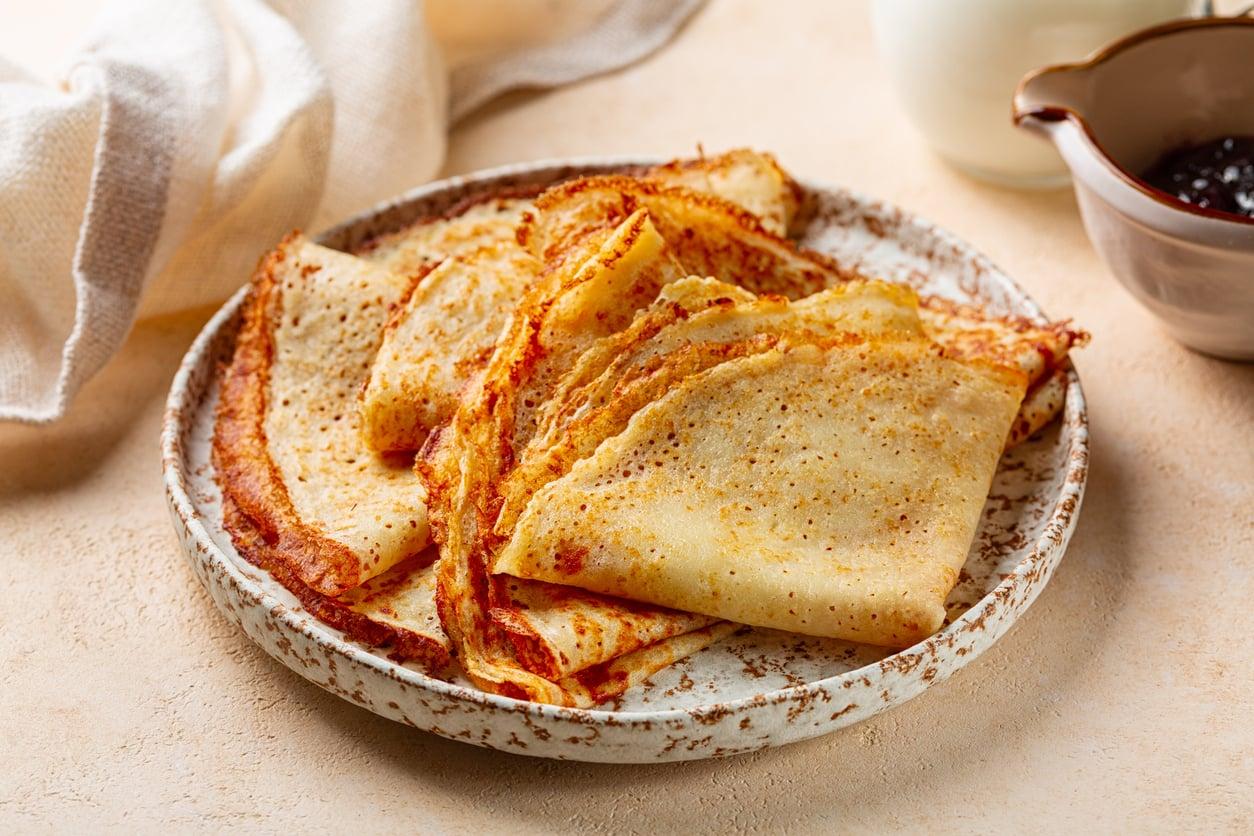
Pancakes? Easy to whip up free-from—especially with a little homemade jam or vegan hazelnut spread on hand.
And the Dobos cake? A local pastry chef, Klaudia Kiss-Kupi of Mentes Birodalom Cukrászműhely, created a gluten-, dairy-, and egg-free version that exceeded all my expectations. If you think “free-from” means “just a substitute,” try this cake—I promise it will change your mind.
More Mindful, Not More Complicated
The biggest realization for me was that living free-from doesn’t mean giving up familiar flavors. It means learning to cook differently—and that’s a good thing. I actually enjoy it.
Now I choose ingredients more consciously, listen to my body’s signals, and reconnect with Hungarian cuisine’s true values: simplicity, naturalness, and coziness. All without giving up the flavors I love.
If you’re just starting this journey and feel like you’re losing too much, don’t worry! You don’t have to let go of your favorites. Just rethink them, and if it’s not perfect at first, trust me—it gets easier.
Hungarian cuisine won’t leave you if you have sensitivities; it just shows you a new side—where tradition and mindfulness go hand in hand, and familiar flavors return in fresh, just-as-lovable forms.
I’m not saying it was never hard. But it was worth sticking with it, experimenting, and learning. Today, I make free-from Hungarian dishes that not only meet my sensitivities but are often more nourishing, natural, and even tastier than before. I truly believe Hungarian cuisine can be free-from—and in some cases, even better that way.