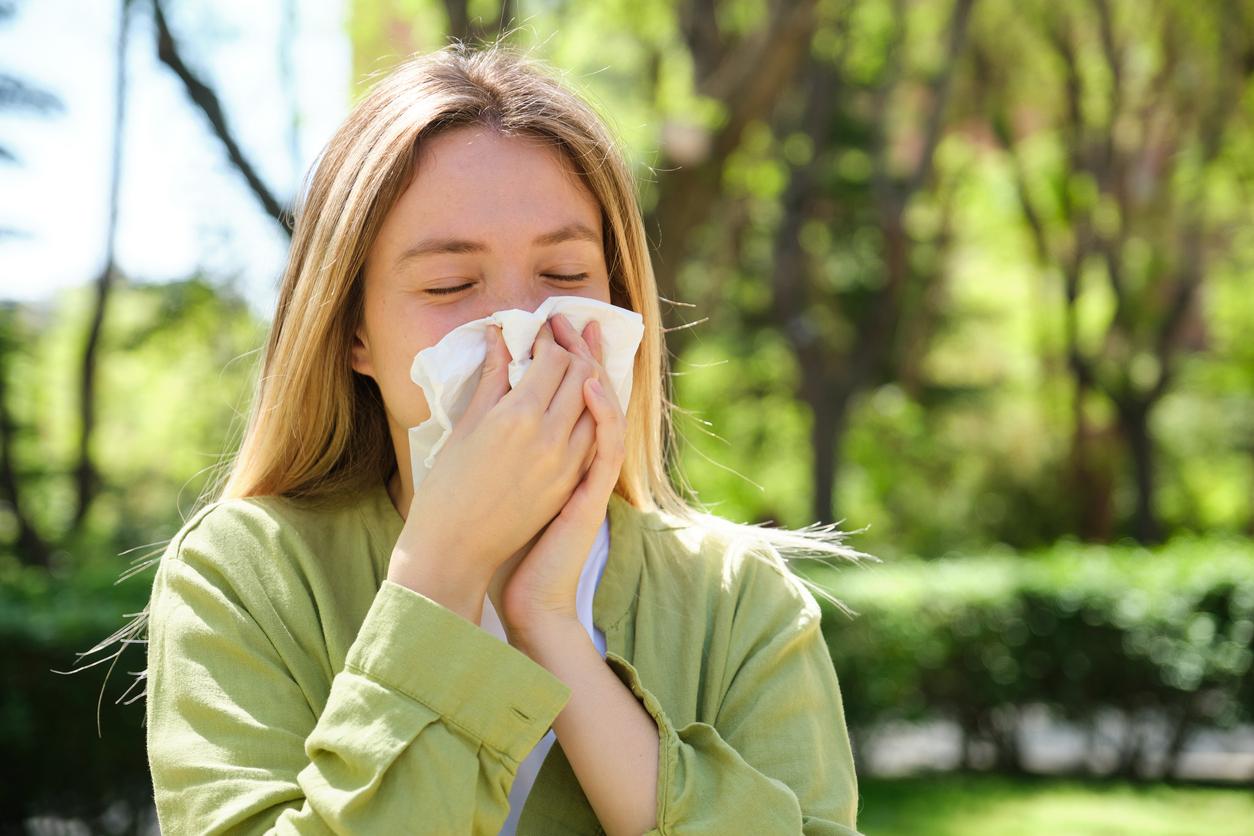
Every spring, the same ritual begins. Eye drops on the nightstand, antihistamines in your bag, and a quiet countdown to when it will finally be over. But have you noticed that "finally" keeps coming later and later? What used to last two weeks now stretches into two months. What was once manageable now feels unbearable. You're not being dramatic. You're not imagining it. And you're far from alone — the vast majority of allergy sufferers report that their symptoms genuinely worsen year after year. There are real reasons for this, and more than one.
Pollen season really has gotten longer — and the data proves it
Over the past few decades, scientists across multiple continents have documented a clear trend: pollen season starts earlier and ends later than it did thirty or forty years ago. A major 2021 analysis published in Nature Communications found that in North America alone, pollen season has grown by an average of twenty days since the 1990s — and pollen concentrations have risen significantly alongside it.
The explanation lies in climate change. Milder winters prompt plants to flower sooner, while elevated CO₂ levels boost pollen production — a connection confirmed under controlled laboratory conditions. In cities, air pollution adds another layer, irritating the airways and making the body more reactive to pollen even before the season peaks.
This doesn't mean the environment is the only factor. But it does mean that the allergen burden has objectively increased — and that affects everyone, not just those already sensitive.
Your immune system is changing too — and that's equally well documented
When the immune system is exposed to the same allergens year after year without treatment, it doesn't learn to ignore them. It learns to react more intensely. This is one of the best-described mechanisms in allergy medicine.
Put simply: every pollen season is another round of exposure. Each time, the immune system "memorises" the allergen a little more — and the next season, it mobilises faster and hits harder.
This is why symptoms are often mild in the first few years and gradually escalate over time. It also explains why early treatment matters beyond just symptom relief — addressing allergies sooner can slow the progression of sensitisation itself.
If you've been managing with over-the-counter antihistamines for years and notice they're doing less, this is likely why. It may be worth speaking to a specialist rather than simply increasing the dose.
Allergies you didn't have as a child can develop in adulthood
Allergy is not a fixed, lifelong condition set in childhood. The immune system keeps evolving throughout your life, and allergic reactions can develop at any age. Several factors are known to raise the risk: prolonged stress, antibiotic use, changes in gut microbiome, and respiratory viral infections.
Research following Covid-19 has also explored links between infection and the emergence or worsening of allergic symptoms — results are still inconclusive, but the connection is considered plausible. If you're experiencing allergy symptoms for the first time as an adult, it's neither unexplained nor unusual. It's a recognised pattern, and it deserves proper attention.
The allergy symptoms nobody thinks to connect
Sneezing and itchy eyes are the obvious ones. But allergic inflammation can affect the body in ways that rarely get linked back to allergies — and that's where things get quietly disruptive.
Chronic fatigue, morning headaches, disrupted sleep, and difficulty concentrating can all be allergy-related, especially when nasal congestion degrades sleep quality night after night. Months of poor sleep have a serious impact on daytime performance and mood — and many people simply blame "the season" without realising allergies are the underlying cause.
There's also the issue of cross-reactivity. People sensitive to birch pollen can develop reactions to certain raw foods — apples, pears, carrots, celery — because the proteins in these foods closely resemble those in birch pollen. It's a well-documented phenomenon, and many sufferers have no idea the two are connected.
Getting worse every year is a signal, not a sentence
If your allergies are escalating, that's not a reason to give up — it's a reason to act. Allergies aren't life-threatening, but spending months with disrupted sleep, impaired concentration, and a persistently low mood is reason enough to go beyond the pharmacy. Your symptoms aren't getting worse by accident. And that's precisely why they're worth addressing properly.