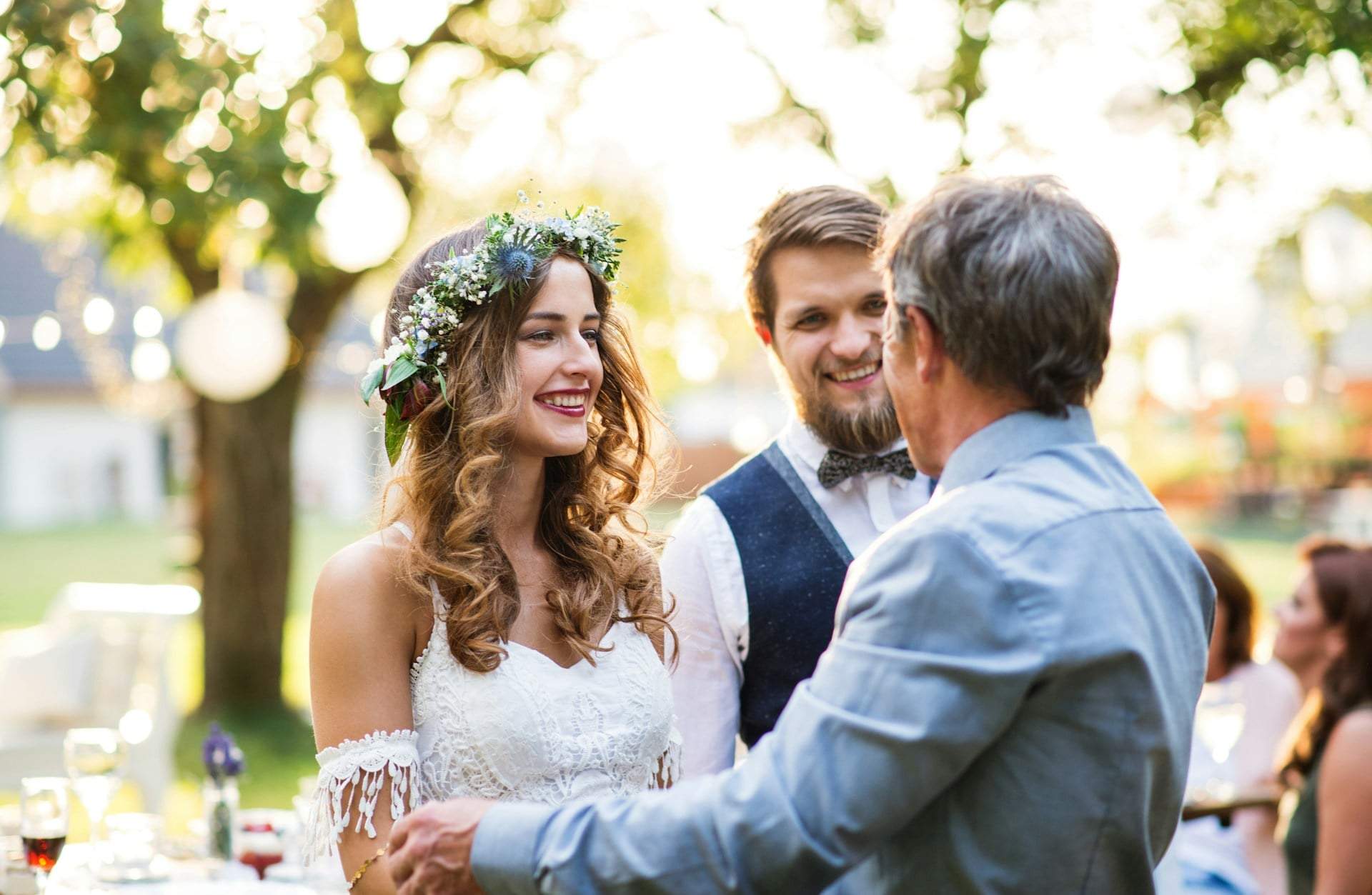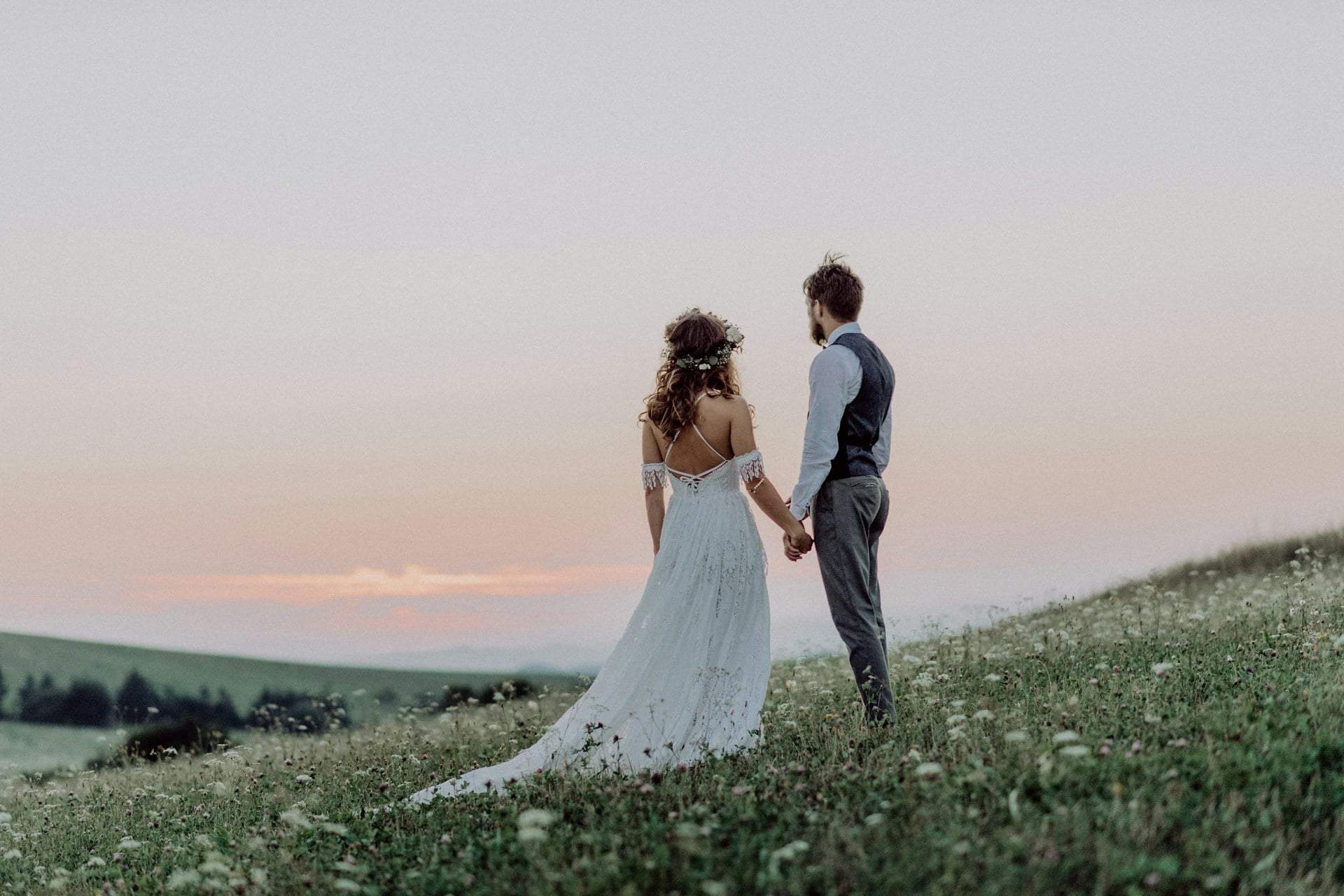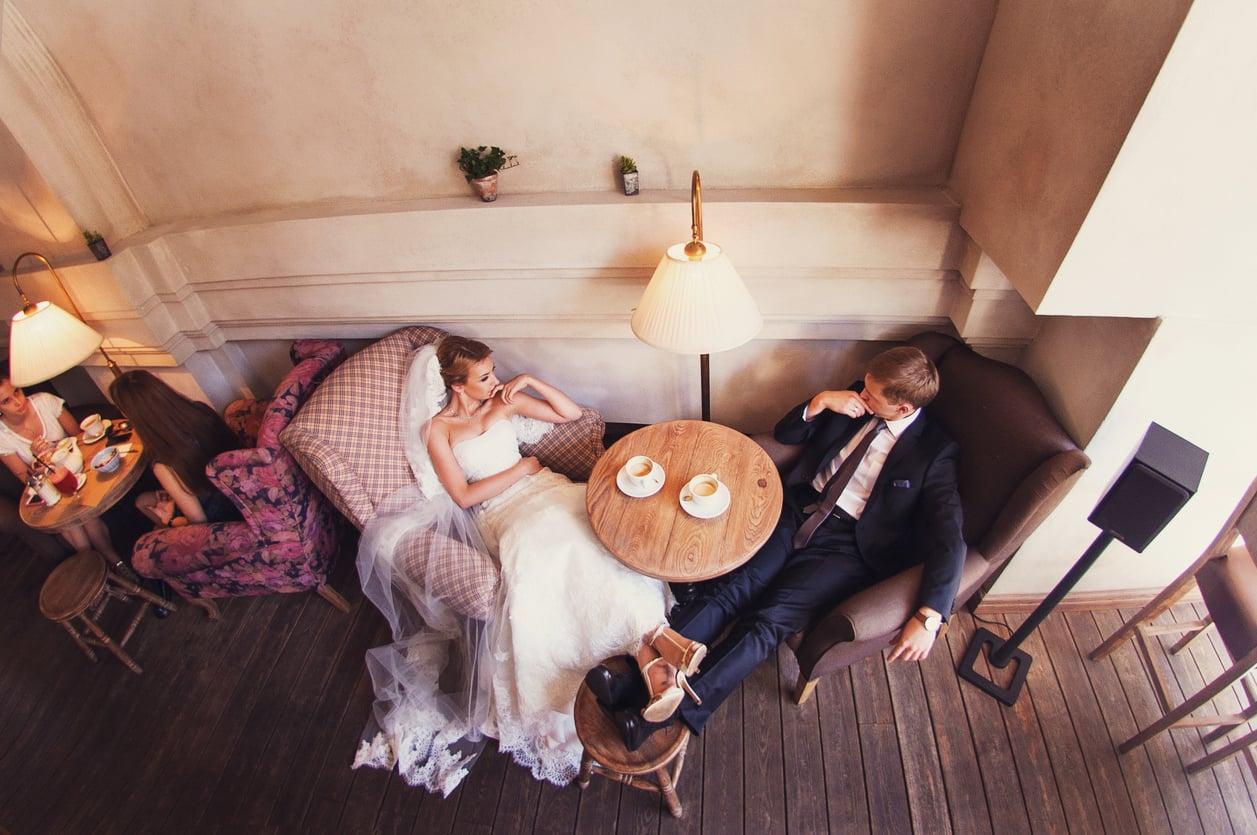
These days, it feels completely normal for an engaged couple to plan their big day armed with spreadsheets, dozens of quotes, and a serious financial breakdown.
And at the end of the reception, while opening the envelopes, almost everyone utters the same magic question: "So… did we break even?"
Expensive décor is no guarantee of a great party
In my early-to-mid twenties, I worked weekends as a waitress and bartender, which meant I saw dozens of weddings up close, from behind the scenes. If that experience taught me anything, it's this: there's rarely a direct link between a wedding's budget and its atmosphere.
Time and again, the receptions thrown on the most modest budgets turned out to be the most unforgettable — the ones where people danced until dawn and pure joy radiated from every guest. Meanwhile, the flawlessly planned, meticulously calculated weddings that cost astronomical sums often had a strangely tense mood, even though the couple had clearly done everything for their guests.
Of course there were exceptions, but the extra spending rarely worked miracles — it was, however, perfect for making sure both guests and newlyweds had plenty of photos to show off online. Naturally, everyone plans the biggest day of their life the way they've always dreamed it, making choices that fit their own wallet, and that's exactly how it should be. But the moment a pressure to "recoup the costs" appears behind all that polish, even the most beautifully staged event starts to reveal the raw math underneath — and that rarely ends well.
The story of the near-empty envelope
As couples marry later and later in life — often after five or ten years of living together — the old tradition of giving useful gifts like appliances, cookware or other household items has faded almost entirely. What's left is the cash-in-an-envelope system, which inevitably drags cold financial expectations into the celebration.
A friend of mine told me that after the traditional dance, one of the envelopes they opened contained just a few dollars. At today's prices, that barely covers a decent coffee, let alone a fraction of the dinner and drinks. Imagining that a relative or a friend (and their family) felt that this was the value they placed on being invited to one of the most important events of your life is, to put it gently, gut-wrenching. And chances are, you'll never find out who it was.
But if we dig a little deeper into the whole thing, we realize it doesn't actually need to be revealed.
After all, the wedding dance isn't a "mandatory tax," and in principle no one invites their loved ones just to hand them the bill afterward.
Without that realization, though, what's left is anxiety on both sides: the couple stresses over whether the party will "pay for itself," while the invited guest worries about whether they can afford the "entry fee" — or whether they'll have to skip their holiday because of it.
But how did we get here?
One of my most vivid and heartwarming childhood memories is a genuine, old-fashioned village wedding. There was a huge tent in the yard, the entire village stuffed cabbage together, everyone decorated and pitched in with whatever they had or whatever they'd grown. And when the festivities finally wound down at dawn, the crowd of guests was simply distributed among the neighboring houses — nobody paid for a place to sleep. Experiencing that was an enormous, unforgettable thing for me, because as a (small-)town kid, even back then a wedding was never quite that kind of communal event where I lived.
If we look back to the mid-twentieth century, or to older rural traditions, a wedding wasn't a purchased package of services but a real act of community solidarity. The neighbors built the tent, the meat came from an animal raised on the farm, and relatives baked the pastries for weeks. The costs and the labor were shared across families, and the goal was to help the new couple start their life together — not to show off status.
The real shift in mindset began in earnest in the 1990s, with the explosion of consumer culture and the events industry. Wedding planners, professional masters of ceremonies and premium catering companies appeared on the scene, and with them the entire logic and financing of weddings flipped. Today it's far more common for the couple to (sometimes literally) front the cost of the whole event, while the guests "reimburse" their share afterward through the envelope — or at least part of it.
From there, it was only a single step to start thinking of a wedding like a startup — one where we expect the invested capital to be recouped by the end of the night.
Ultimately, a wedding is still what it always was: a symbol of two people starting a shared life. It's just that the neighborly barn-raising spirit has been replaced by the invoice book, and the helpful neighbors by an army of very expensive vendors.
And yet, while we can buy the perfect look, the thing that actually matters still can't be purchased at any price. When I think back to standing behind that bar 15 years ago, it isn't the flawless décor or the towering cake that comes to mind. It's the barefoot dancing at dawn, the morning jumps into the pool, and the father-of-the-bride speech that brought even me to tears. Luckily, real memories are still tax-free.
Why have weddings become so expensive?
The article points to the rise of consumer culture and the events industry in the 1990s. Wedding planners, masters of ceremonies and premium catering turned what used to be a shared community effort into a purchased package of services.
Does a bigger budget mean a better wedding?
Not according to the author's years of experience working weddings. Some of the most memorable, joyful celebrations came from the most modest budgets, while lavish, meticulously planned ones sometimes felt tense.
Why do guests feel pressure to give cash gifts?
As couples marry later and traditional household gifts have faded, the envelope-of-cash system has taken over. This can make guests feel like they're paying an "entry fee" to cover their share of the costs.
What was different about traditional village weddings?
They were built on community solidarity rather than commerce. Neighbors raised the tent, food came from the farm, relatives baked for weeks, and guests were given a place to sleep — all without anyone footing a bill.