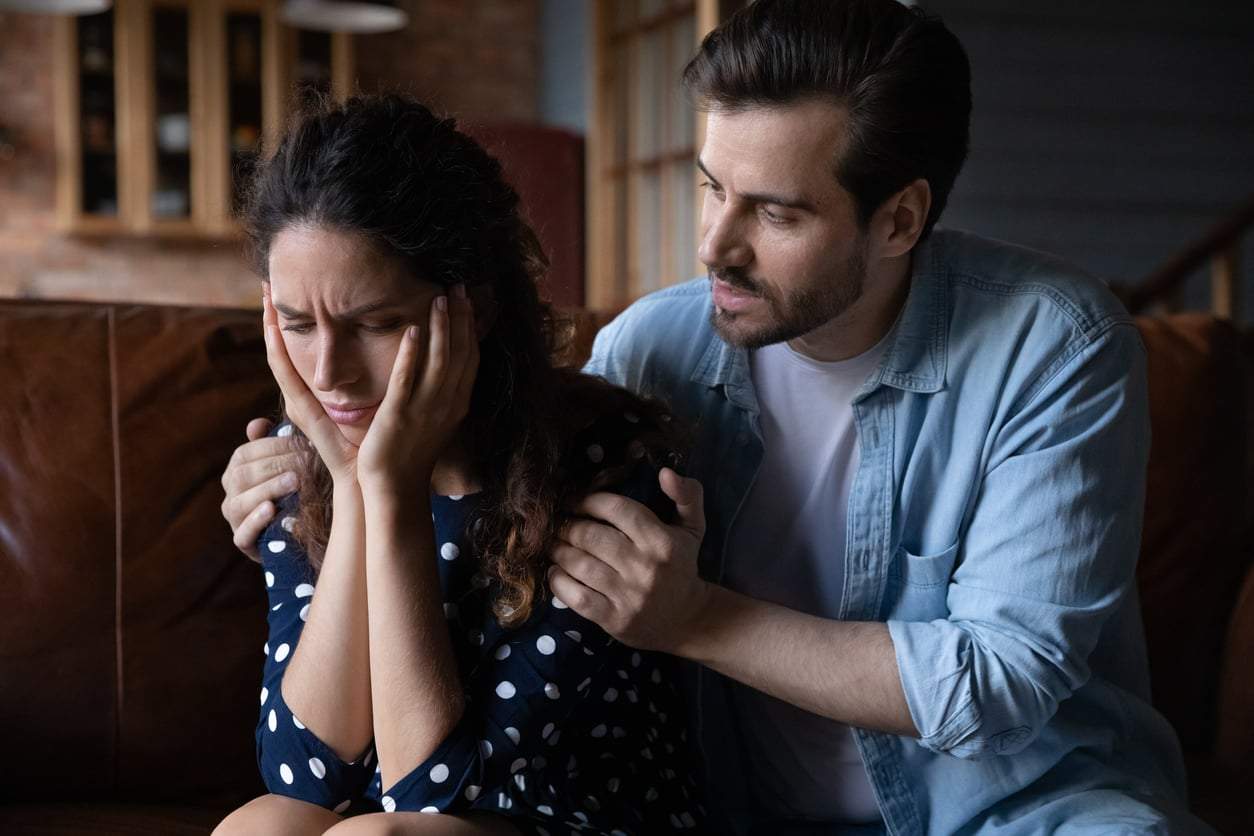
Waking up in the shadow of infidelity turns our familiar world upside down. The sharp pain we feel can help us rethink what might drive those who leave the security of monogamous relationships. Our hearts may be heavy, yet understanding that unfaithful people often battle their own inner conflicts can be a helpful perspective.
Behind the scenes, those who are unfaithful often face hidden struggles. Their relationships might look exciting from the outside, but in reality, they often mask inner emptiness, insecurity, and unreachable dreams. These factors frequently influence the choices that lead to infidelity.
The Roots of Infidelity
Infidelity has long fascinated people and is judged differently across cultures. For compulsive cheaters, it often stems from deep-seated insecurities and low self-esteem. This state wears a person down from within, sparking a constant search for external validation and recognition.
Psychology identifies this as a pattern where individuals are frequently dissatisfied with themselves and their immediate environment. This dissatisfaction can lead to a double life, where a new partner brings a fleeting sense of joy—but only temporarily.
Low Self-Esteem and Compulsive Behavior
Surprisingly, infidelity is often closely linked to a lack of self-confidence. Those who regularly stray may feel that their worth increases through romantic or sexual conquests. New adventures provide a short-lived boost to their self-esteem, but this fades over time, pushing them to seek out new experiences.
This behavior often grows from past emotional wounds that make it hard for the person to trust others long-term, leading to further self-esteem challenges. These individuals often feel angry at themselves, aware that their actions are destructive, yet they repeat the same patterns again and again.
Struggling to Form Genuine Bonds
Compulsive cheaters often find it hard to form emotional attachments. Their inner world processes and expresses emotions differently, making monogamous relationships feel restrictive and confining. Past relationship wounds, like rejection or betrayal, may have cemented feelings of distrust.
Because of this, they often can’t fully commit to their partnerships and feel an uncontrollable urge for new connections and experiences. This not only threatens their own happiness but also their partner’s, who may constantly worry if their loyal partner will return from the next adventure.

Thrill-Seeking and Adrenaline Addiction
Many seek out repeated affairs because they add a spark to their otherwise dull daily lives. They enjoy the thrill of danger, the mystery of the unknown, and the adrenaline rush of breaking the rules.
However, this unpredictable lifestyle often causes more harm than good in the long run. While these individuals might seem happier and more satisfied at first due to heightened excitement, they actually expose themselves to emotional lows and often hide deeper emotional or mental struggles behind their wild behavior.
Relationship Dynamics and Betrayal
Loyalty and honesty are vital in relationships, so infidelity always shakes the foundation between partners. Unfortunately, many cheaters feel their partner can’t meet all their emotional or physical needs, opening the door to new conquests.
It’s important to note that when stability breaks down, it’s not always the other partner’s fault. Dissatisfaction often comes from internal struggles, and those involved are frequently trapped by their own anxieties and fears, preventing them from fully committing—even in their most valuable relationships.
When the Relationship Suffers Lasting Damage
Though infidelity has many causes and motivations, its most serious consequence is the deep damage it inflicts on a relationship. Rebuilding trust after it’s been broken takes years of hard work from both partners. When they’re unwilling to do this work, the relationship simply falls apart.
In relationships, loyalty and honesty are tangible values. When these are broken, pain and distrust can linger for a long time. People often forget that truly lasting and happy relationships aren’t just about chemistry—they’re built on solid foundations of mutual respect and understanding. In relationships vulnerable to infidelity, these values are hurt, and healing requires active participation from both partners to reconnect and rebuild.