What a ninety-second recovery actually looks like
The point is to change your physical state, not to add another task. Some that work in a real office or a real kitchen table: stand up and look out of a window at the furthest thing you can see, which lets your eyes leave close-focus for the first time in hours. Run cold water over your wrists. Unclench your jaw deliberately and let your shoulders drop on a long exhale — most of us hold a working day in those two places. Walk to the far tap for water rather than the near one. Sit still with a hot drink and no screen for the length of time it takes to drink it while it is genuinely hot.
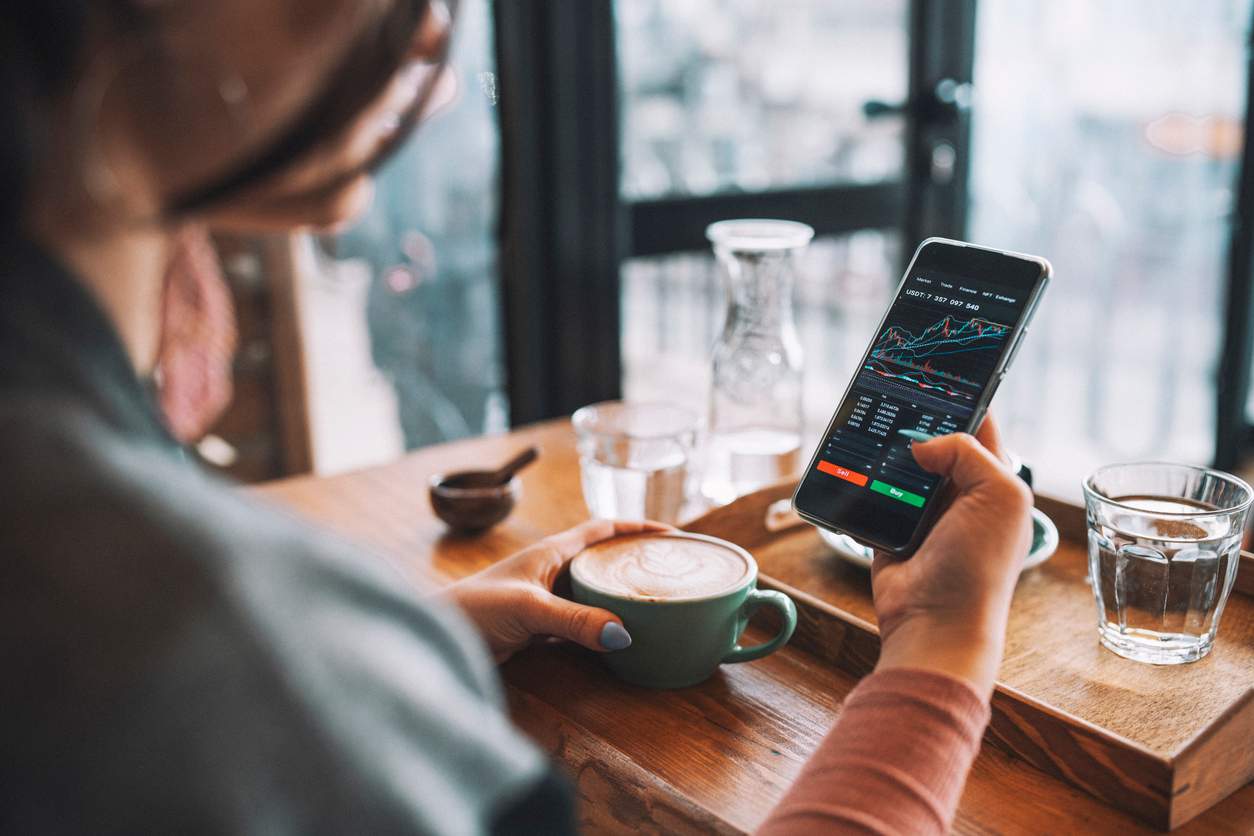
What does not count: checking your phone, reading the news, answering "just one" message, or scrolling anything. Those change your position, not your state. Your brain finishes them more stimulated than it started, which is the opposite of the job.
Slot them into transitions, not gaps
Waiting for a free half-hour is how this fails. Instead, attach recovery to transitions you already have, because transitions are the moments your body is expecting a change anyway. Before you join a call, after you leave one. On the last two minutes of the walk from the station. In the car outside school before you go in — engine off, window down, no radio. Between the end of paid work and the beginning of domestic work, which for most women is a cliff edge with no landing.
Three a day is plenty to feel a difference: one mid-morning, one after lunch, one on the threshold between work and home. If you need help remembering, tie each one to something that already happens rather than setting an alarm you will learn to dismiss.