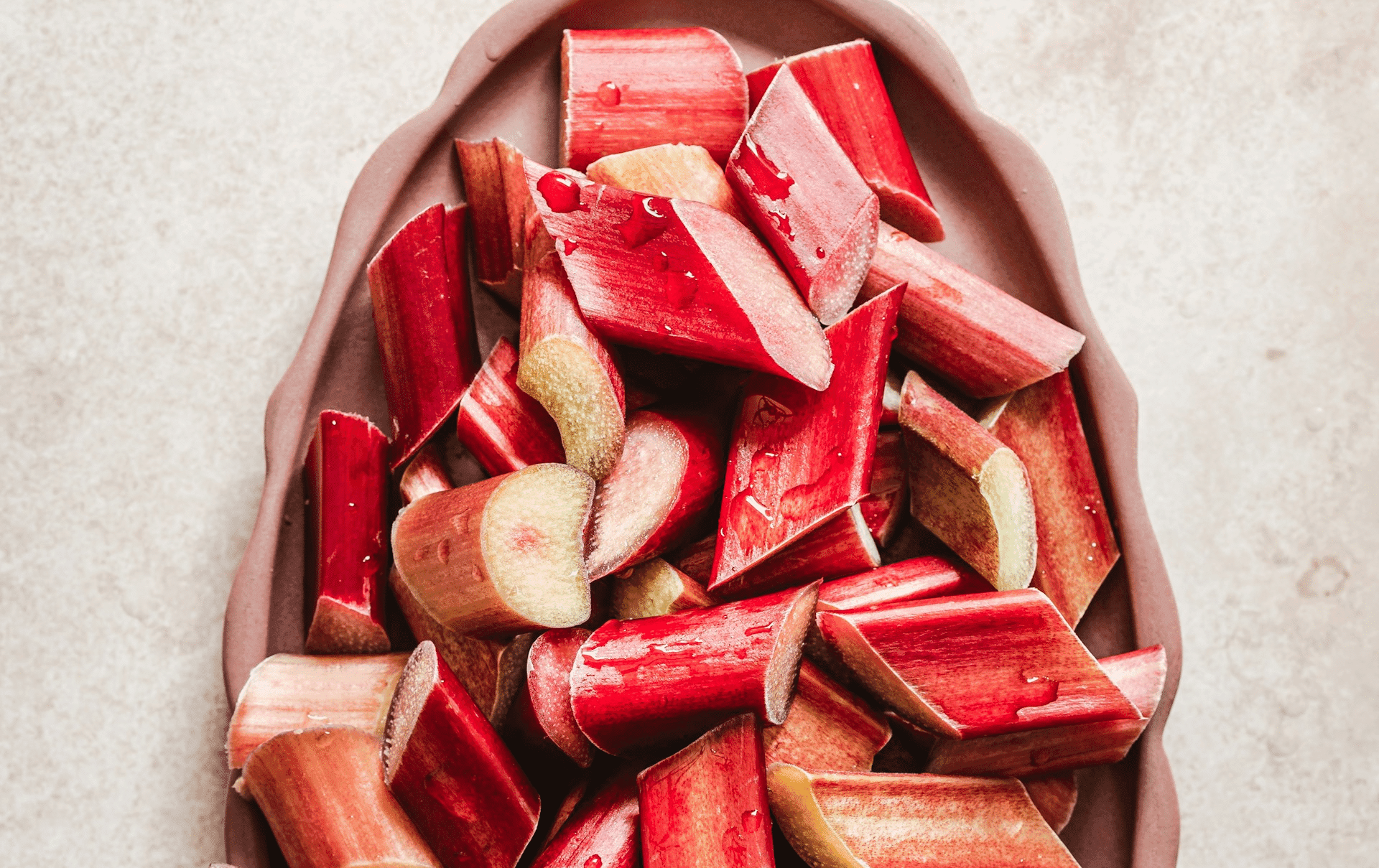
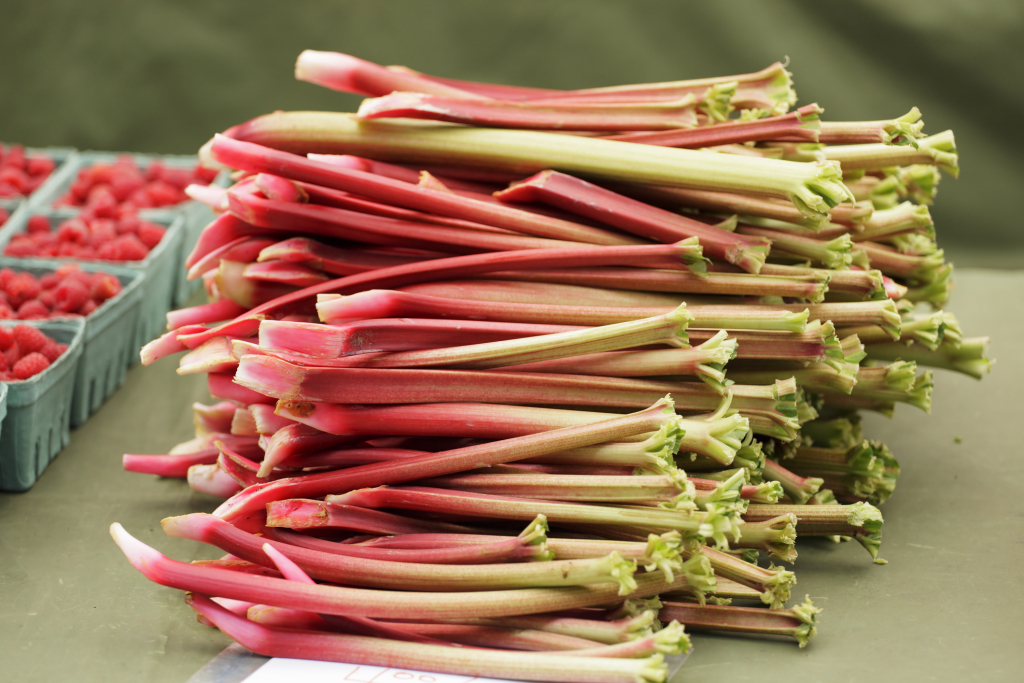
Rhubarb season runs from April through mid-summer. This tender, vitamin-packed plant can brighten many dishes and treats, but you must be careful which parts you eat. Its leaves are famously toxic and should never be consumed. Packed with oxalic acid and anthraquinone glycosides, these compounds can be harmful—especially to your kidneys—if eaten in large amounts. So, whether you buy rhubarb with leaves attached or pick it fresh at home, always remove the leaves to stay safe.
A Healthy Veggie Loaded with Vitamins
The stalks, however, are a nutritional powerhouse, bursting with vitamins and essential minerals. They’re rich in B vitamins and also offer plenty of A, C, K, and E vitamins, along with zinc, calcium, copper, and iron.
Full of healthy fiber, rhubarb supports digestion, jumpstarts bowel movements, and thanks to its mild laxative effect, it’s a great natural aid for occasional constipation.
Its fiber helps lower "bad" LDL cholesterol, reducing the risk of heart disease. Rhubarb stalks are rich in antioxidants that neutralize harmful free radicals, protecting your cells and slowing down aging.
As mentioned, rhubarb is loaded with calcium and vitamin K, which strengthen bones and help prevent osteoporosis. Its high water content also supports hydration. Plus, it’s low in carbs and calories, making it a smart addition to weight loss and diet plans.
How to Enjoy Rhubarb
This super summer veggie is incredibly versatile in the kitchen. The most famous way to enjoy it is in rhubarb pie, often paired with strawberries—a match made in heaven as the tartness of rhubarb perfectly balances the sweetness of strawberries.
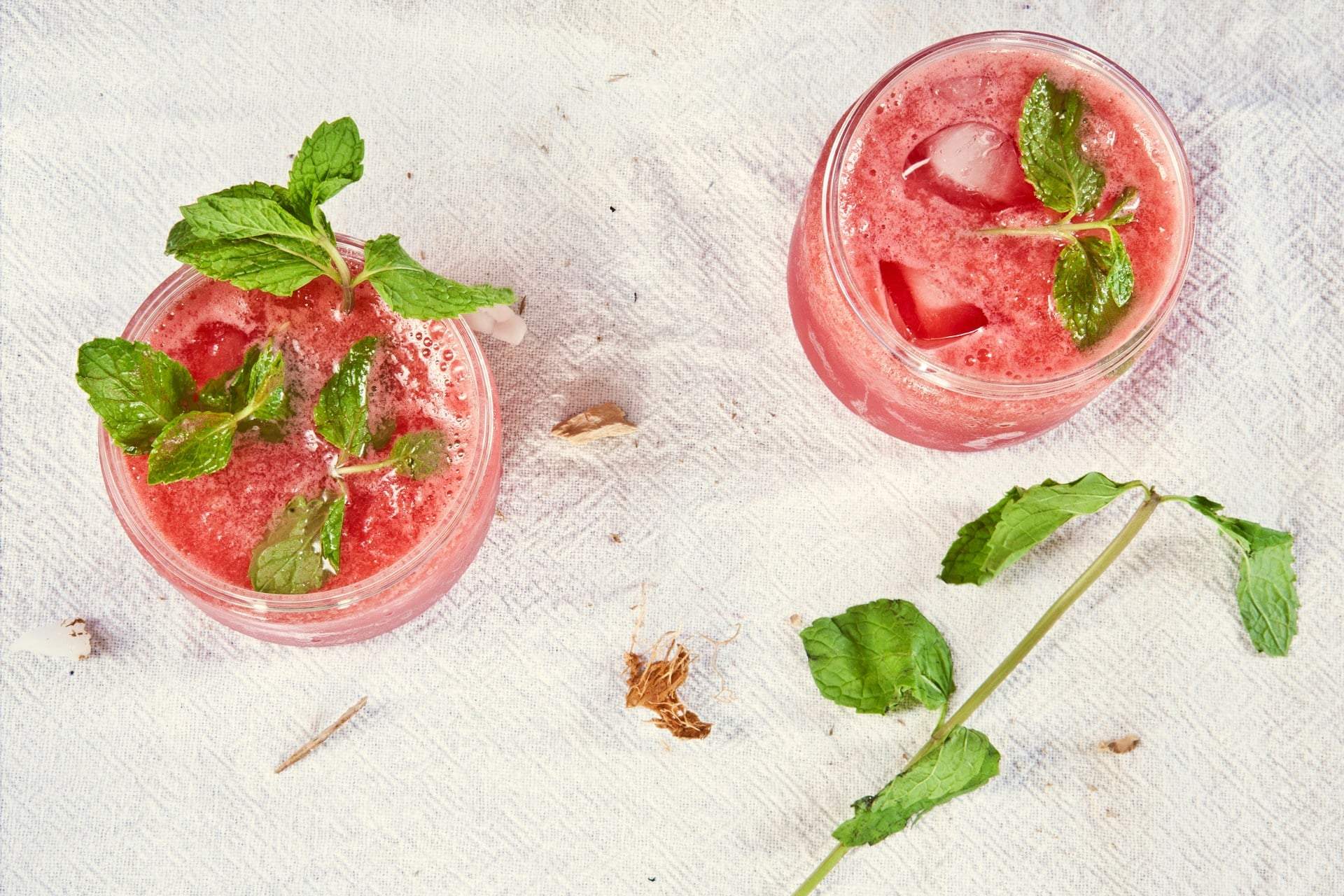
You can also make jam, rhubarb syrup, or refreshing lemonade with a splash of lemon. For a true summer treat, try a creamy rhubarb soup topped with strawberries, cinnamon, and ginger. Served chilled, it’s a light and revitalizing option—perfect for hot days when heavy carbs just don’t appeal.
Rhubarb pairs wonderfully with many tasty summer fruits. Its tartness complements peach desserts beautifully, while sweet oranges balance its acidity. Sour cherries deepen its flavor, and sweeter apples work well in compotes or baked goods. The classic duo remains strawberry and rhubarb—unbeatable in syrups, jams, and that iconic pie.