Attachment theory began to be studied in the 1960s and quickly revealed how much it shapes our human connections.
The Majority
People often label themselves as having an insecure attachment style, but actually, 60% of society falls into the secure category. The remaining 40% share the anxious, avoidant, and disorganized types—and even though many believe they are anxious, they make up just 1%.
The “Perfect” Couple
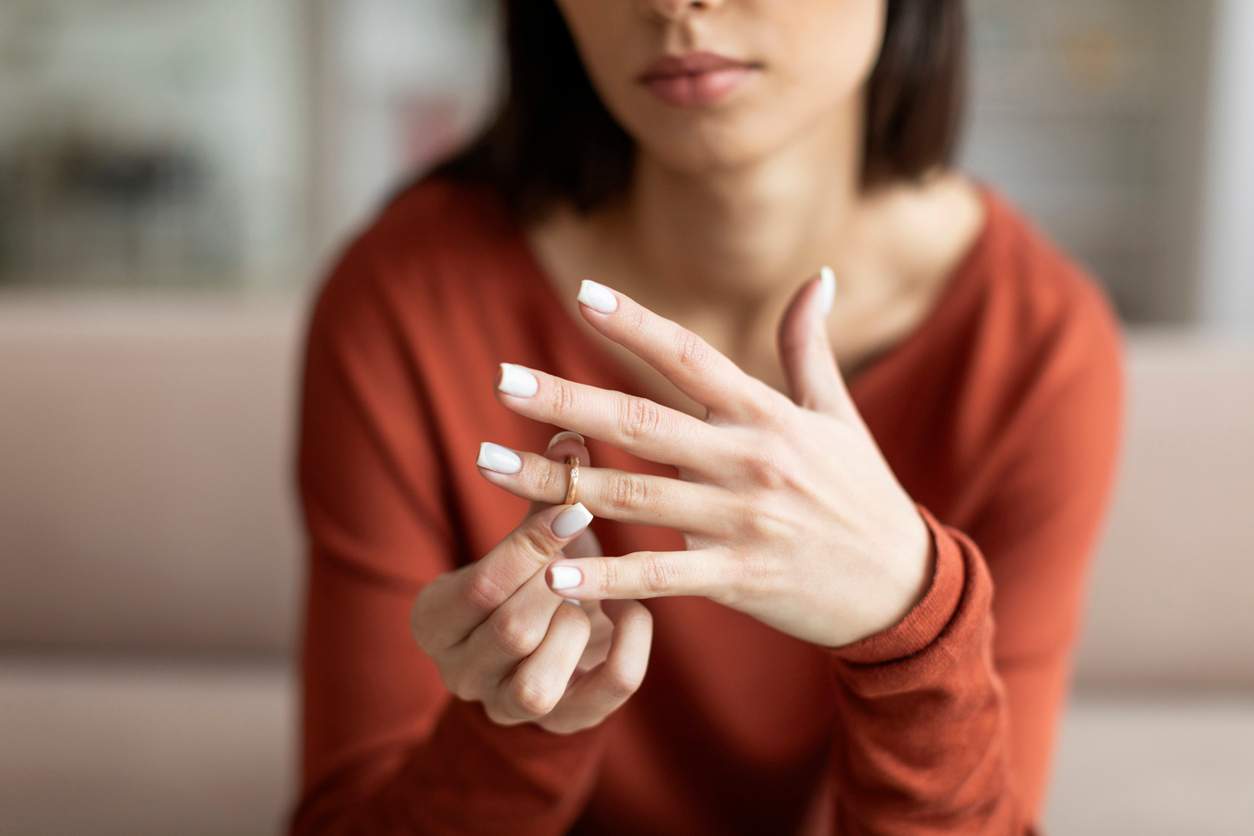
Anxious and avoidant people are drawn to each other because their attachment styles unconsciously recreate the dynamics they experienced with their parents. But this isn’t healthy for either, as it deepens their wounds.
Panic
Attachment panic can surface even in secure relationships. Imagine this: a wife greets her husband with frustration because he didn’t say he’d be late, and she’s worried and the dinner has gone cold. The husband defensively explains he got caught up at work and had to stay late, which happens often, so the wife should know not to wait and eat without him. She keeps arguing about why he couldn’t just call, and he excuses himself by saying he was swamped. Neither understands the other’s feelings—she sees him as careless, he sees her as overreacting.
Sound familiar? This is when both partners are caught in attachment panic. The wife feels ignored, the husband can’t grasp why a small issue blew up. Her panic is triggered by his dismissal; his by her anger. Both fear the relationship might be at risk.

The Ideal
Secure attachment doesn’t mean you’ll always respond perfectly or handle every situation flawlessly in your relationships.
There’s Hope
Few realize that attachment style can change. It’s a pattern, not a fixed personality trait, which means new experiences, self-awareness therapy, and conscious effort can build secure behaviors.
Not Enough
They say “love isn’t always enough,” and sometimes even parental love falls short. Attachment style is an emotional pattern based on childhood experiences that persists into adulthood (source). It also influences what kind of parents we become. Every parent loves their child unconditionally, but even that doesn’t guarantee secure attachment—if care isn’t consistent or a parent is emotionally distant, a child can still develop insecure attachment.
Communication is Key
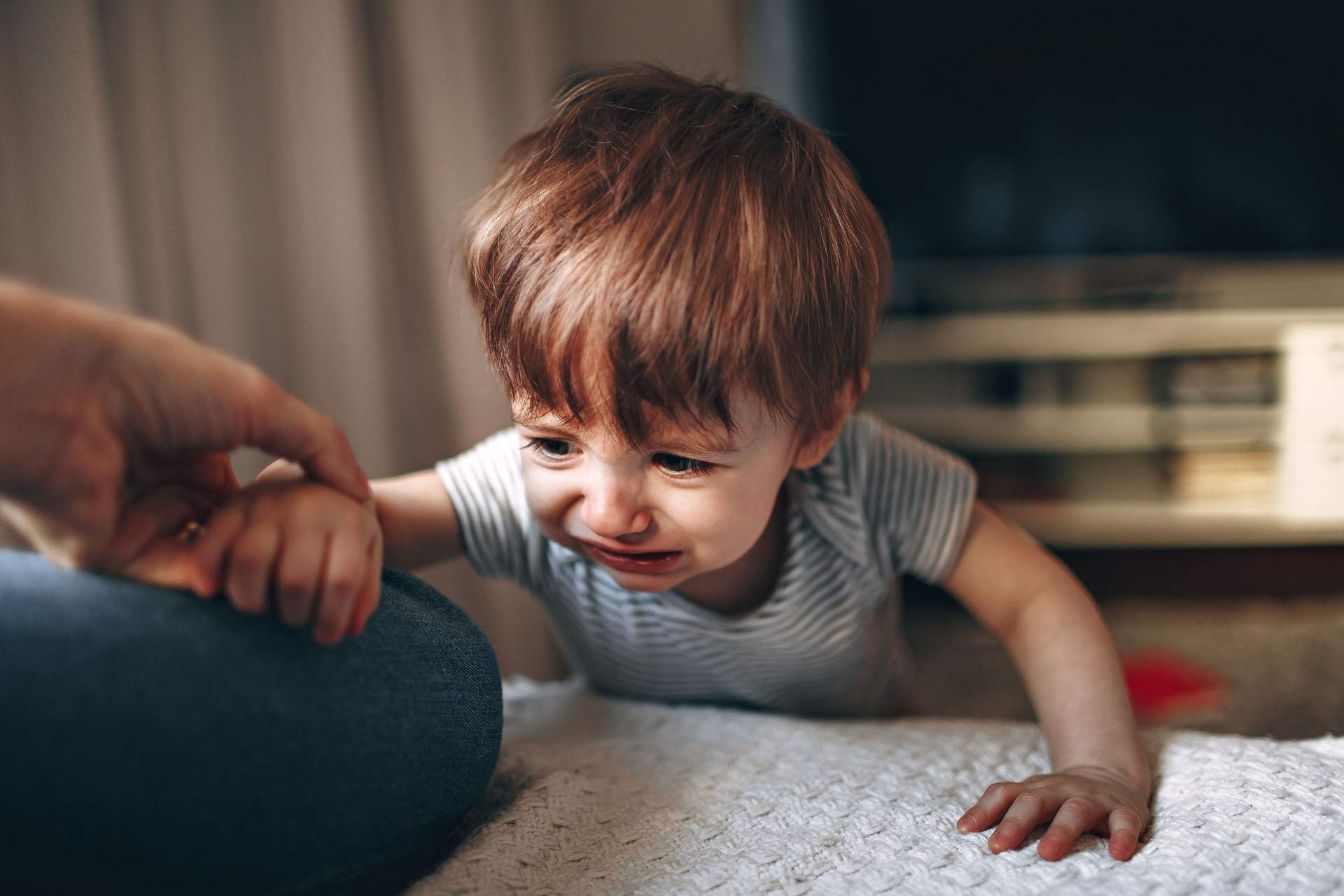
The biggest influence on attachment style isn’t just the love shown, but how parents respond to their child’s nonverbal communication. This means how a parent reacts to crying, cooing, and laughter in the child’s first two years shapes attachment.

Sex
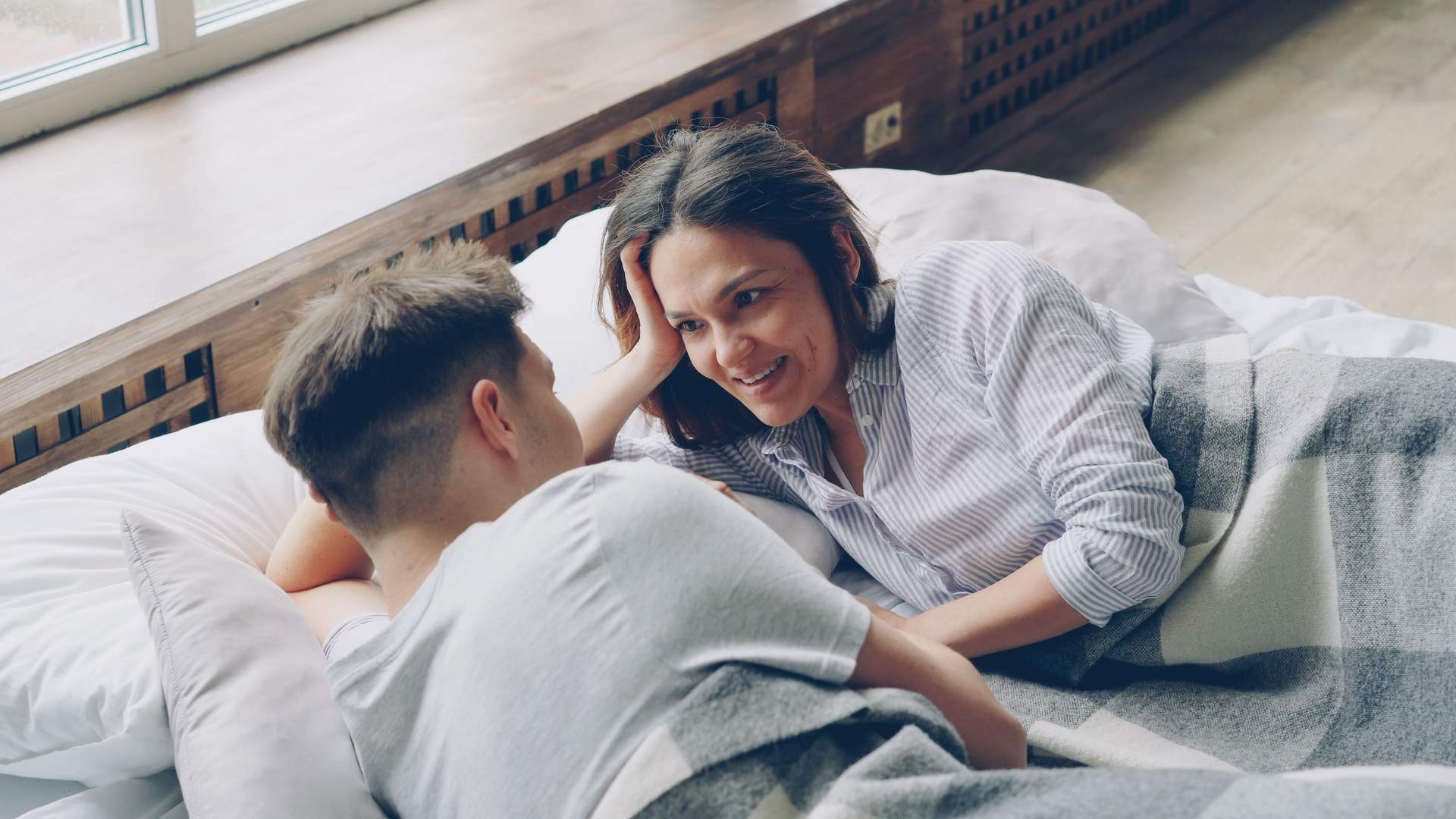
Avoidants “cling” to sex because it’s a familiar activity that means connection without emotions. (Interestingly—and not surprisingly—excessive porn use makes men more avoidant.) Anxious people use sex to find a partner and keep them from leaving. For securely attached people, sex is fun, stimulating, and a way to express love and emotional closeness.
As Parents
Our children can trigger our own childhood experiences. If your parent wasn’t emotionally available when you needed them, it can be hard to be there for your child when they need you.
More
We don’t have just one attachment style. The theory is simplified—our minds are complex, and everyone has the potential for all four styles. For example, someone can be secure with friends but anxious in romantic relationships. Or they might have been anxious with an avoidant partner but become secure with a secure one.