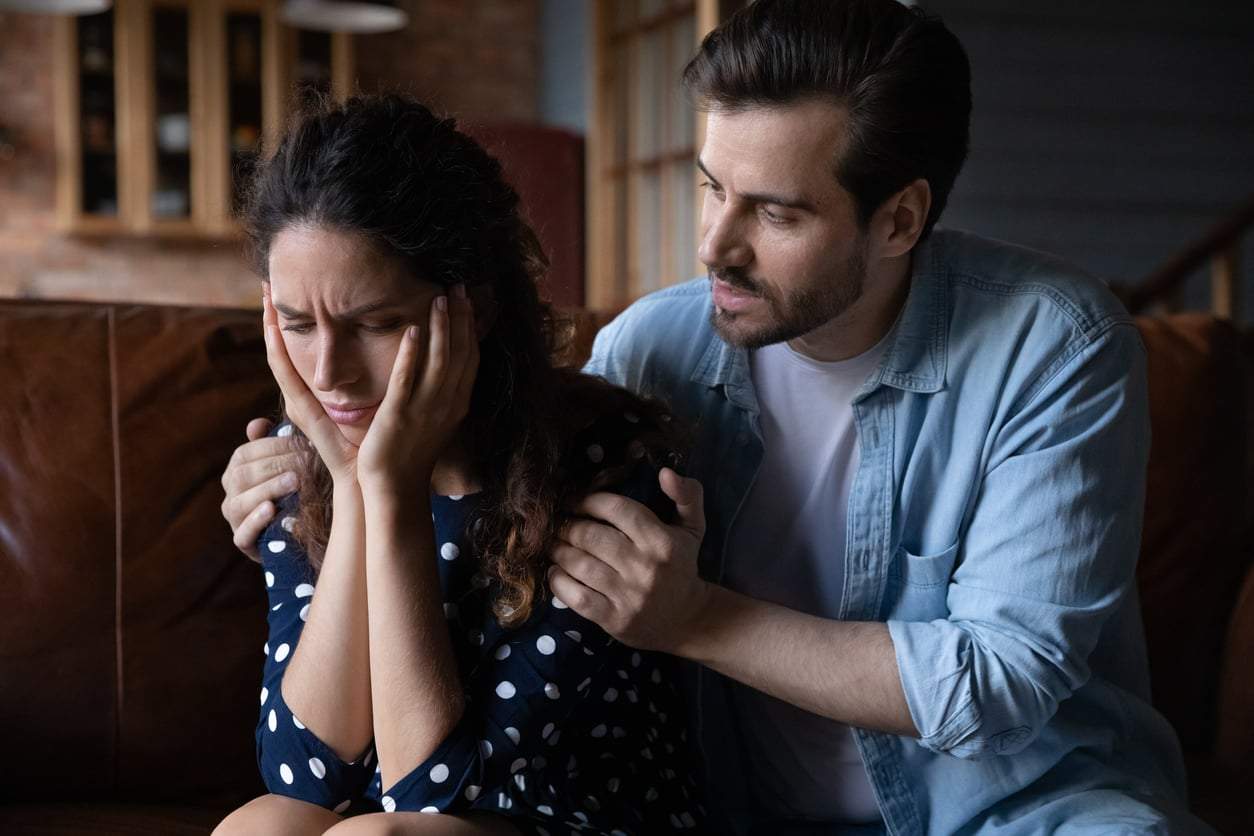
Cheating is painful and often destructive, yet it remains a common part of human relationships. The feeling of betrayal and broken trust reshapes countless partnerships every month, if not every week. And the experience of infidelity can show up very differently in those involved.
Many assume that sensing infidelity is just about observation and suspicion, but psychology digs much deeper. This field explores the signs that might reveal unfaithfulness and how the dynamics between partners shift during these times. Often, subtle changes in a relationship speak louder than words.
Emotional Distance Grows Between Partners
The earliest and clearest sign of cheating is emotional distance. Experts highlight that fewer shared conversations, less quality time together, and a lack of attention are all meaningful signals. The person’s behavior typically changes, showing less care for their partner and responding with more detached answers to questions or comments.
They no longer seem interested in how their partner’s day went, what topics occupy their mind, or how they’re feeling overall.

Over-Explaining and Self-Defense
Another way cheaters try to cover their tracks is by over-explaining. Experts say that sometimes, the unfaithful partner puts a lot of energy into hiding their actions. This often shows up as detailed explanations of their activities or excessive self-praise. If someone talks too much about how committed and trustworthy they are, it can actually be a red flag pointing to the opposite.
Physical Signs
It’s hard to ignore physical signs that may surface during infidelity. Since there’s a new partner involved, the person often pays more attention to their appearance. Weight loss is common too, sometimes caused by the stress of hiding the truth.
They might change their clothing style, develop new personal grooming habits, or even take up a new sport.
Telling Digital Footprints
In the digital age, online presence can be a major clue to cheating. Psychologists warn that excessive social media activity, endless messaging, and the use of dating apps can be strong warning signs. Modern technology makes it easy to both hide and reveal infidelity.
Understanding and Addressing the Roots of Infidelity
While the consequences of cheating are often the most visible, it’s important to explore the deeper reasons behind it to better understand relationship issues. Psychologists say infidelity often stems from dissatisfaction in the relationship or personal self-esteem struggles. Why someone cheats is a complex question best explored in couples therapy. Professional support offers a chance to improve communication and manage conflicts that may arise.
Covering up and detecting infidelity is a complex matter that psychology helps unravel. Recognizing the signs can be painful but ultimately empowers both partners to see where changes are needed to heal and strengthen their bond. The hidden workings of the mind are a natural part of relationship dynamics, so it’s worth paying mindful attention to them together.