Sleeping in separate bedrooms used to sound like the beginning of the end for a couple. Today, more and more partners are calling it something else entirely: a "sleep divorce" — and swearing it made them happier.
So why do so many couples choose to sleep apart, and how can that possibly bring them closer together? The answer is more reassuring than you might expect.
Good sleep changes everything
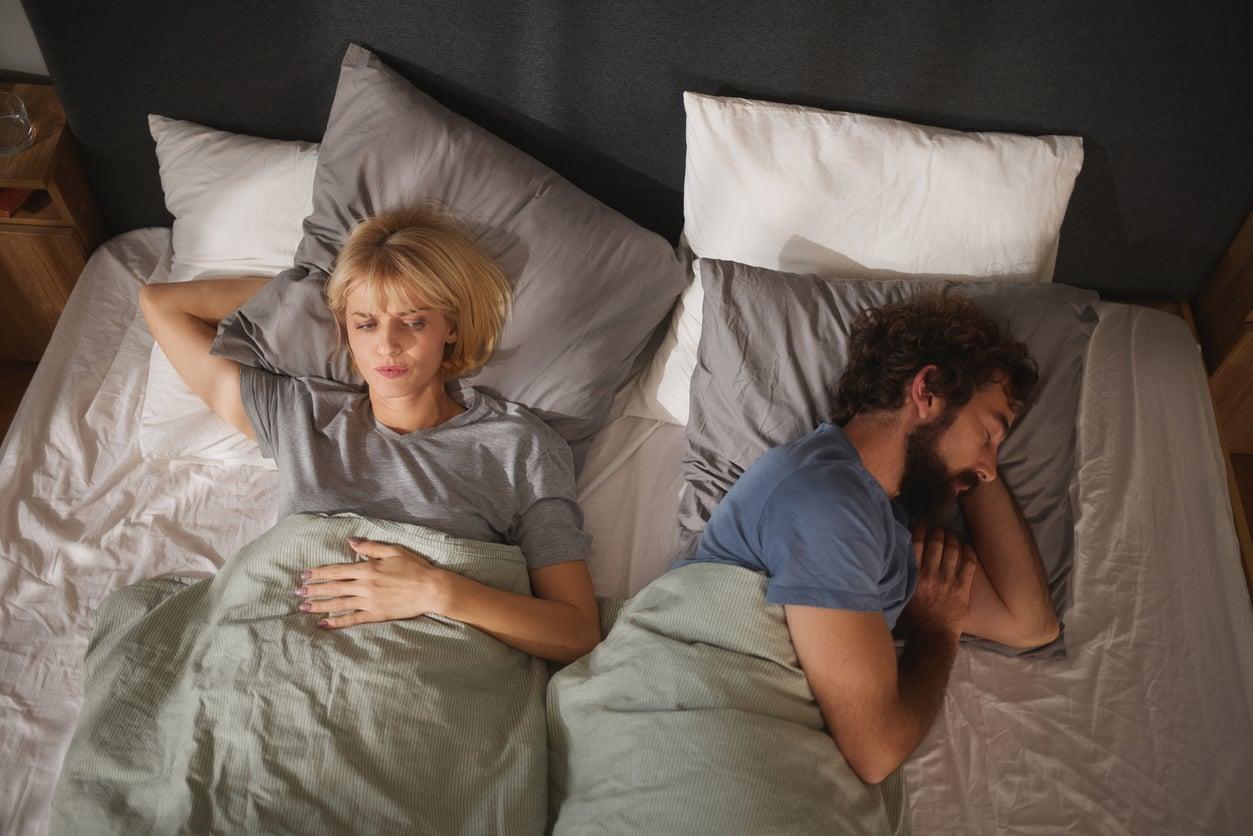
The quality of your sleep directly shapes your energy, your mood, and your patience the next day. When your rest keeps getting interrupted — by a partner's tossing, turning, or snoring — you wake up drained before the day has even started.
We all know that feeling. And when you're exhausted, even the smallest annoyance can feel like a major problem. Chronic tiredness has a way of quietly poisoning otherwise strong relationships.
Everyone has their own rhythm
Choosing to sleep apart doesn't mean love is fading or the relationship is in trouble. Very often it simply comes down to two different body clocks.
One partner is an early riser, while the other is a natural night owl. Those mismatched schedules can turn bedtime into a nightly negotiation. Instead of fighting it, some couples simply give each other their own space — and quietly respect what the other one needs.
A new take on intimacy
Many people assume separate bedrooms mean losing intimacy. Yet plenty of couples say the opposite happened: sleeping apart actually deepened their closeness, because now they have to make a conscious choice to be together.
When time together isn't automatic, it becomes something you look forward to. Desire and passion get room to breathe, and shared evenings start to feel less like routine and more like a genuine moment of connection.
Why personal space matters so much
It's hard to overstate how important personal space is for both people in a relationship. A separate bedroom lets each partner keep a corner of the world that is entirely their own — a place to retreat, unwind, and recharge.
That means room for your own habits, your books, your wind-down rituals before bed. Over time, that small pocket of independence can quietly strengthen the whole relationship.
Sleeping apart isn't growing apart
This is the part that trips people up the most. A separate bedroom does not create emotional or physical distance. In many cases, sleeping apart actually helps each person hold on to their sense of self — one of the quiet building blocks of a healthy partnership.
In other words, a "sleep divorce" isn't a cold retreat from each other. For plenty of couples, it's a thoughtful, deliberate choice — one that protects their rest, their space, and ultimately the harmony between them.
Does a sleep divorce mean the relationship is failing?
No. For many couples it's a practical choice to protect their sleep, not a sign of trouble. It doesn't signal fading love or emotional distance.
Can sleeping in separate bedrooms improve intimacy?
It can. When time together stops being automatic, couples often make a conscious effort to connect, which can make shared moments feel more special and keep desire alive.
Why do couples decide to sleep apart in the first place?
Common reasons include mismatched body clocks — one early riser and one night owl — as well as snoring or restless movement that disrupts a partner's rest.
How does personal space help a couple?
Having your own space gives each partner a place to retreat, recharge, and keep their own habits and rituals, which can quietly support the stability of the relationship over time.