When people find out I have multiple food sensitivities, the first question is almost always the same: "So, what do you eat then?" If you’re sensitive to foods too, you’ve probably heard this question not once, not ten times, but maybe hundreds or even thousands of times.
At first, I felt awkward whenever someone asked. I often wondered myself, "Oh my, what will I eat from now on?" I’ve been living gluten-, dairy-, and egg-protein-free for years, but at the start, all those restrictions felt overwhelming. Over time, though, I learned to see food, ingredients—and myself—in a new light. Today, I know this isn’t a limitation, but a series of choices that help me feel better in my own skin.
Not a diet, but a lifestyle—my health is non-negotiable
First and foremost, I want to be clear: I’m not following a trend or a "fad diet." And that’s totally fine if someone chooses that path willingly. For me, it’s about listening to what my body tells me. Cutting out certain ingredients wasn’t a choice but a real health necessity that led me to completely transform my diet.
Many don’t realize that avoiding gluten, dairy, and eggs doesn’t have to be a punishment. For me, it’s the only way to stay healthy.
That’s why it doesn’t help when someone asks with pity, "So you basically can’t eat almost anything, right?" My answer is always the same: absolutely not—I eat plenty of things. Just different ingredients than you.
New ingredients, new opportunities
At first, it was scary. Familiar ingredients disappeared, and I stood confused in the store, with meal ideas in my head that I suddenly couldn’t "translate" into my new diet. But I got the hang of it.
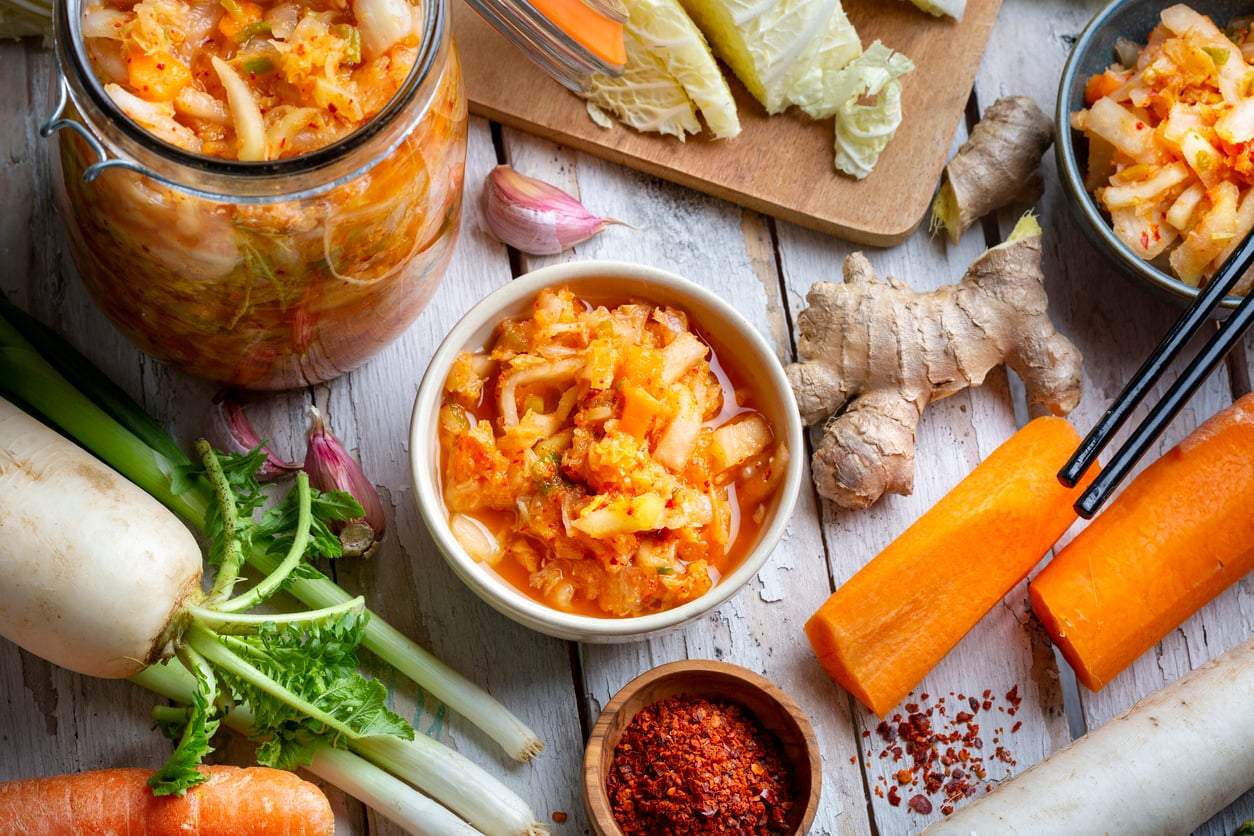
I learned to use new ingredients: millet, buckwheat, quinoa, plant-based milks, gluten-free flours, nut butters, natural sweeteners—just to name a few. My kitchen isn’t lacking; it’s actually more creative than ever. I discovered how much can be made without eggs, how many natural delights don’t burden my body but support it.
Health-consciousness isn’t just a trend
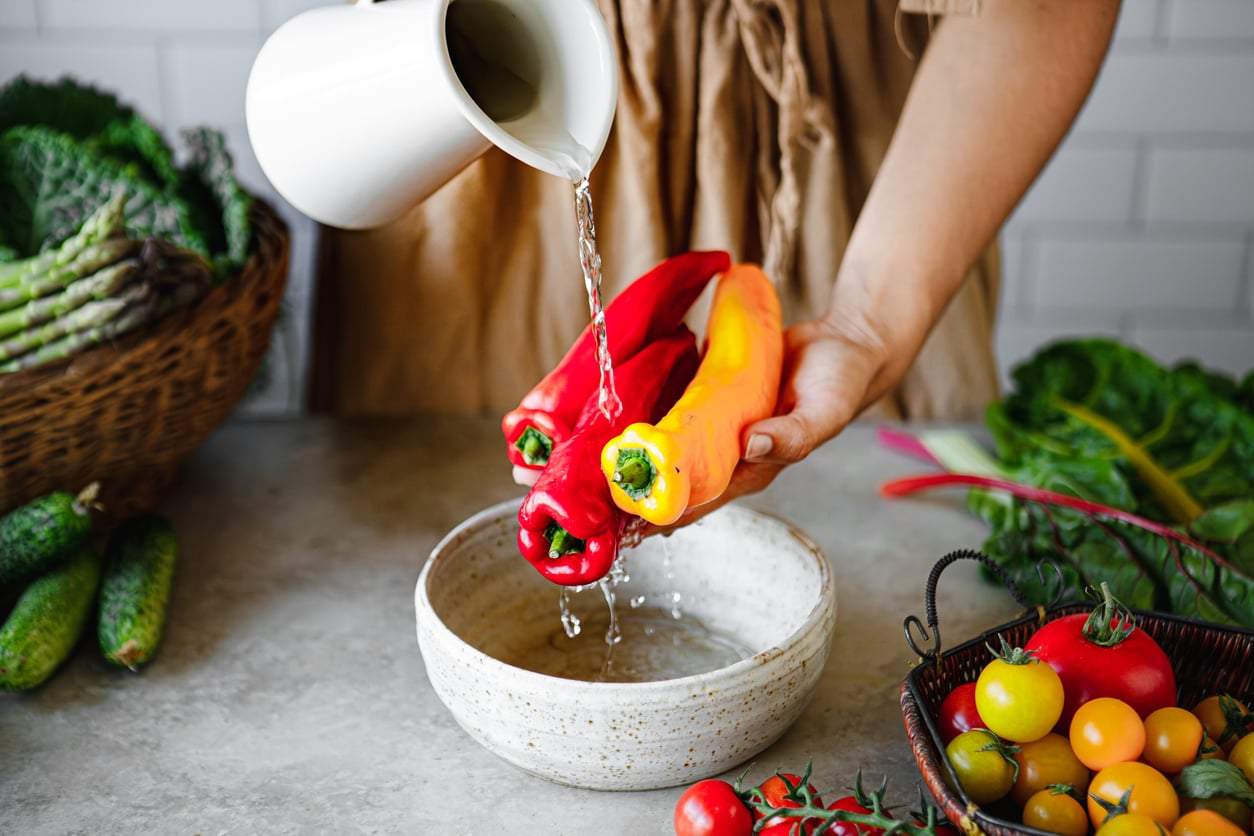
It’s important to me that what I eat isn’t just free from certain ingredients, but also nourishing. That’s why I focus on quality, seasonal ingredients, plenty of veggies, fruits, and whole plant-based foods. For me, being health-conscious isn’t about cutting things out—it’s about choosing mindfully what I eat and drink.
Many think a "free-from" diet is boring, monotonous, or joyless. My experience is the exact opposite: my meals are colorful, varied, delicious—and they make me feel better.
That doesn’t mean I wouldn’t happily say yes to a gluten-free fried dough, pizza, or burger sometimes—I believe these can definitely fit into a well-planned diet.
The question better left unasked (at least not like this)
If I could give advice to those without food sensitivities but who know someone who does: don’t pity us, and don’t keep asking, "So what can you actually eat?" Even when well-meaning, this question can hurt—especially when it always comes with the same tone: "Oh, poor you, so you can hardly eat anything now, right?"
It’s much better to ask, "What’s your favorite dish?" or "Can you recommend a good free-from recipe?" These questions show support, curiosity, and openness—not pity or confusion.
This is my path—and I feel better for it
Living with food sensitivities isn’t easy—but it’s not a tragedy. It took time, patience, and openness to find my own way, and now it doesn’t feel like a burden. It’s a fresh perspective that helped me care more for myself, my health, and what I eat every day.
I don’t expect everyone to fully understand what it’s like to live mostly gluten-, dairy-, and egg-free—but if we pay a little more attention to each other, there’ll be fewer misunderstandings and more acceptance around the table.