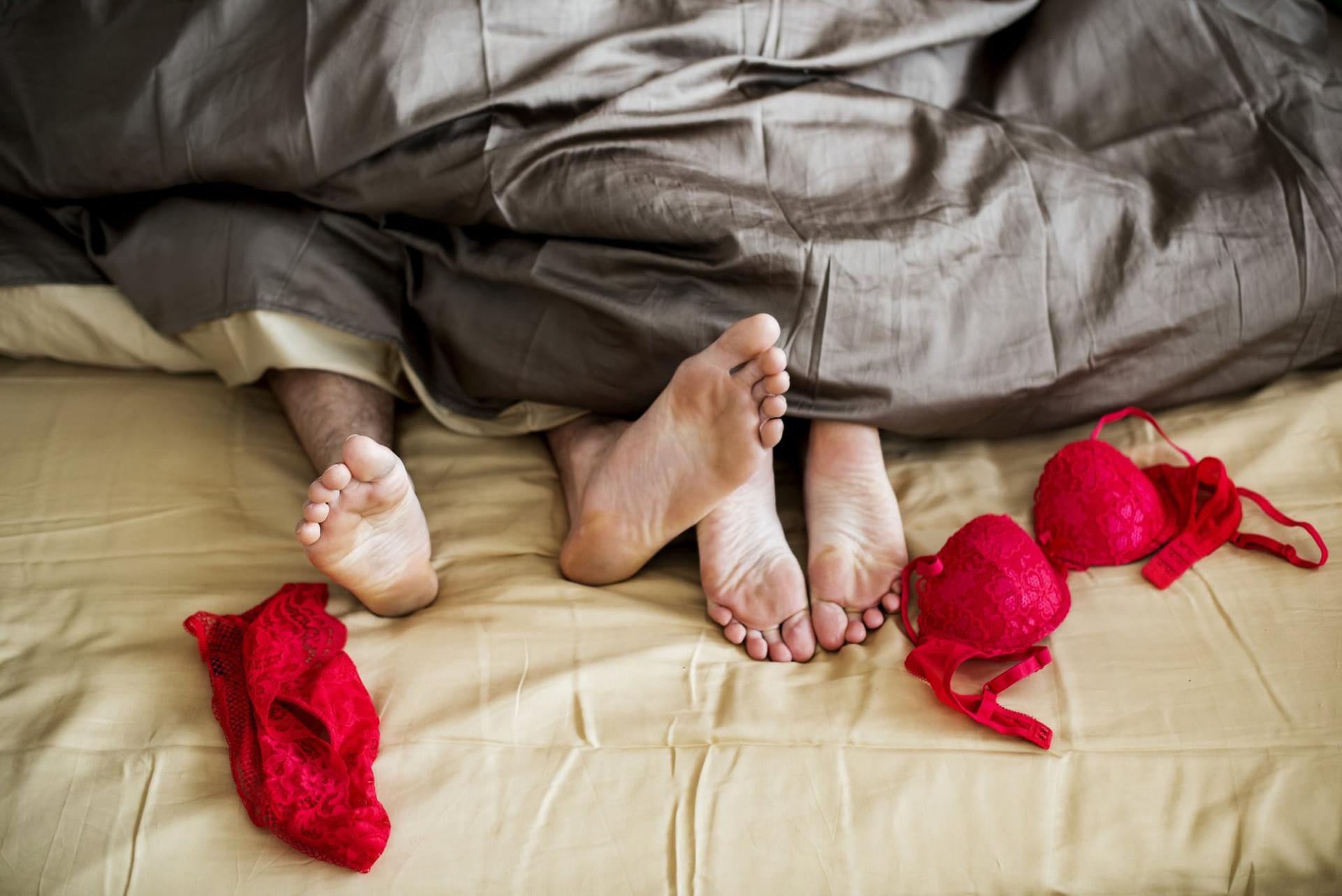
Cheating rarely comes out of nowhere. While circumstances and temptation play a role, the truth is that certain personality traits, emotional patterns, and relationship dynamics can quietly set the stage long before anything happens. Understanding these factors isn't about blame — it's about awareness.
The personality traits most linked to infidelity
Not everyone faces the same level of risk when it comes to being faithful. Certain character traits make it genuinely harder for some people to resist temptation or think through the long-term consequences of their actions.
Impulsivity is one of the strongest predictors. People who act first and think later are naturally more vulnerable to in-the-moment decisions they might later regret. Closely tied to this is low self-control — a tendency to prioritize immediate pleasure over long-term commitment. When the reward feels close and the consequences feel distant, the pull toward infidelity becomes much stronger.
Emotional and psychological factors
Emotional instability and low self-esteem also play a significant role. People who feel uncertain about their own worth often look outward for validation — and an outside relationship can feel like a quick fix for that inner emptiness.
When someone doesn't feel valued at home — or within themselves — they become far more likely to seek comfort, admiration, or connection elsewhere.
Mental health also matters more than most people realize. Depression and anxiety can increase the likelihood of infidelity, not because people with these conditions are less moral, but because they may be searching for an escape, a distraction, or a burst of excitement to break through the numbness of everyday life.
When the relationship itself becomes the problem
Sometimes, the relationship dynamic itself creates the conditions for someone to look elsewhere. Poor communication, growing emotional distance, or a loss of passion are all warning signs that intimacy is eroding. When trust and closeness fade, one partner may start seeking what's missing from an outside source.
Emotional dependency is another overlooked factor. When someone feels completely trapped — emotionally or financially — they may seek a parallel connection where they feel freer and more like themselves. Similarly, unmet emotional needs — a longing for more affection, attention, or appreciation — can quietly push someone toward infidelity even when they never intended to go there.
Family history and social patterns
Our earliest experiences shape us more than we'd like to admit. People who grew up in unstable or dysfunctional households are statistically more likely to repeat the same patterns in their own adult relationships — especially if infidelity was normalized or left unaddressed in their family of origin.
The social environment matters too. When someone is surrounded by peers or a culture where cheating is quietly accepted or even expected, the psychological barrier to doing it themselves becomes much lower. What we witnessed growing up — the models we were given for love, loyalty, and conflict — tends to follow us into adulthood whether we're aware of it or not.
Infidelity can feel like something that just happens. But in reality, it rarely does. Personality, psychology, relationship health, and learned patterns all contribute — and recognizing these factors early is the first step toward building something more honest, more secure, and genuinely worth protecting.