1. Eat Slowly
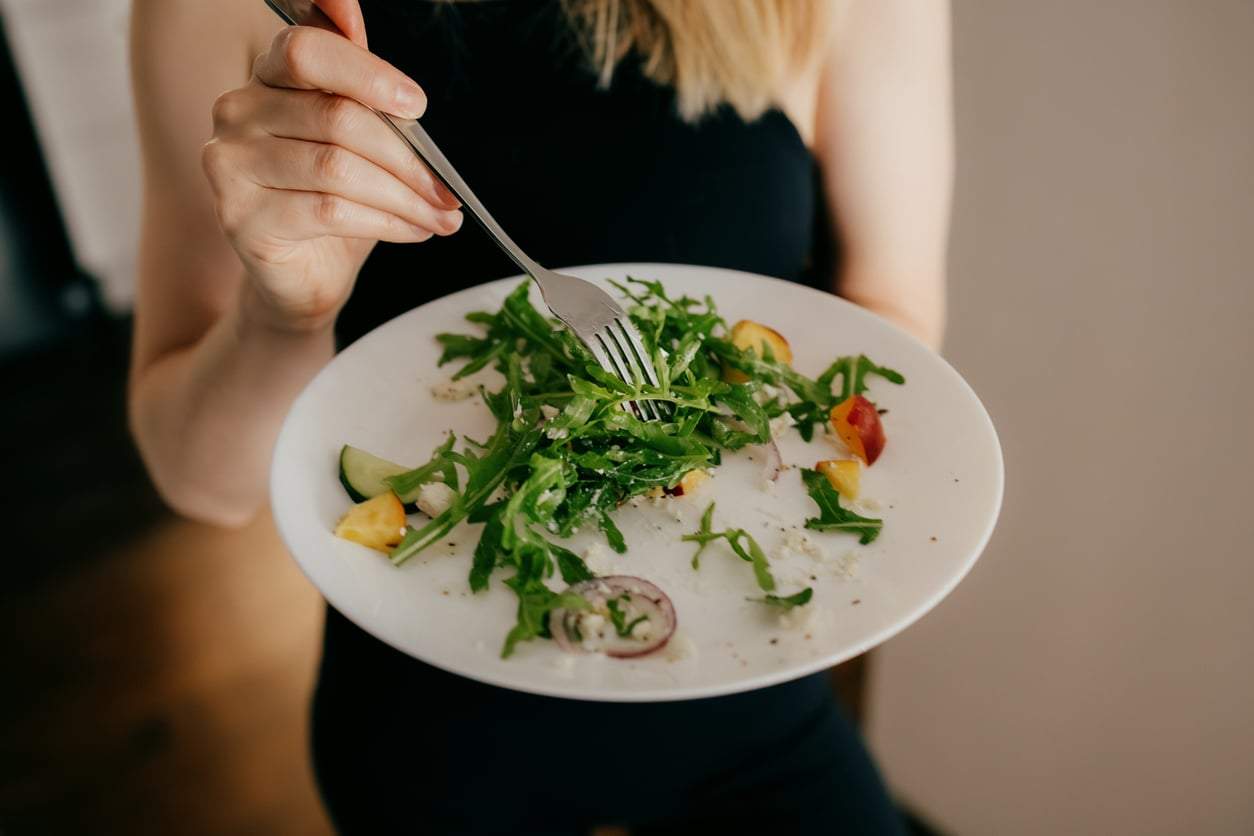
Choose foods that truly nourish your health and bring you joy. Chew every bite thoroughly and only swallow once it’s well broken down. Your body needs time to signal when it’s full. Eating slower not only boosts your enjoyment but also helps you recognize fullness sooner and supports better digestion.
2. Enjoy What You Eat
When you like what you eat, it’s easier to build healthy habits that stick. Explore colorful veggies and fruits, seasoned with heavenly spices and rich flavors. Remember, lasting weight loss isn’t just about plain chicken breast and steamed broccoli anymore—delicious variety is key.
3. Prep Your Meals Ahead
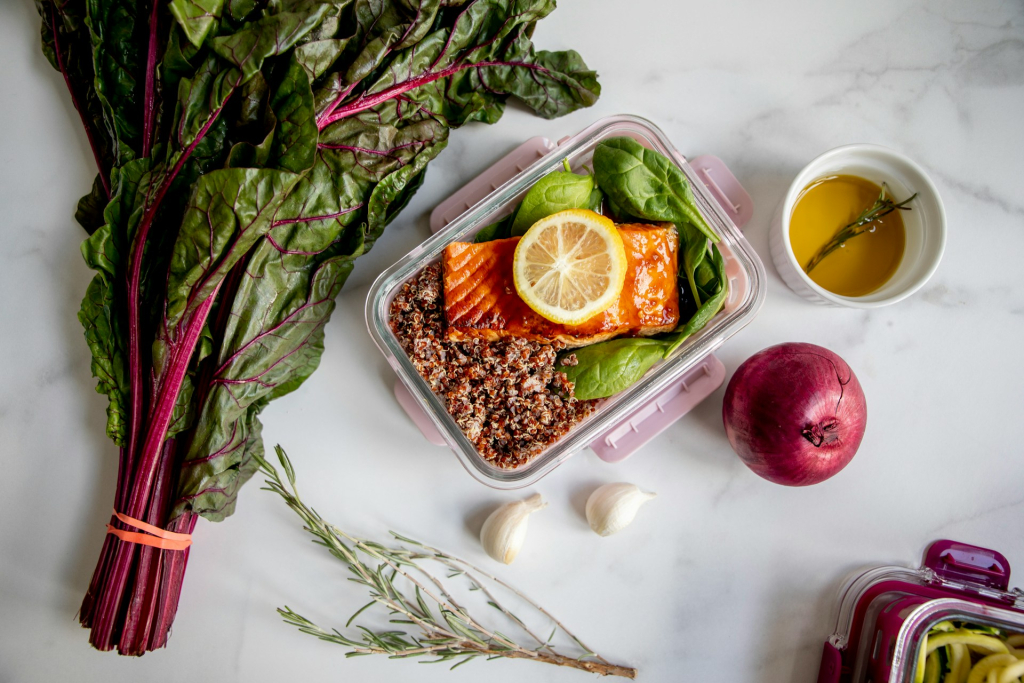
Cooking and portioning your meals for the next few days or week helps you eat more mindfully and keep calories in check. Measure ingredients in advance and prepare meals so all you need to do is heat them up. Pack your portions early, and you’re ready to take healthy meals with you wherever you go.
4. Don’t Skip Strength Training
Aim for 2-3 sessions a week of weight or resistance training. Building muscle helps your body use food as energy instead of storing it as fat. Research shows strength training boosts weight loss, especially when combined with cardio.
5. Get Enough Sleep
Ever heard of ghrelin? It’s the hunger hormone that rises when you don’t get enough sleep, while leptin—the hormone that signals fullness—drops. This combo can lead to weight gain. When you’re tired, cravings for salty and sweet foods spike, and eating habits suffer. Prioritize sleep to help your body function well and eat only when truly hungry.
6. Don’t Skip Meals
Your body’s main goal is survival. When calorie intake is too low, it switches to survival mode and craves energy-dense foods. Listen to your hunger and avoid making your body feel starved. Eat smaller, healthy meals roughly every four hours to keep your energy steady.

7. Maybe You’re Just Thirsty?
Studies show drinking two glasses of water before meals can help shed extra pounds more effectively than not staying hydrated. Thirst often disguises itself as hunger. Remember, water fills you up, so staying hydrated means you’ll eat less during meals.
8. Do What You Can and Take Your Time
No need to overhaul your life overnight. Check where you are now and where you want to go. If you’re new to exercise, a step counter can be a great motivator. If you’re already active, just adding a few extra minutes daily can make a difference. Remember, mindful living and weight loss take time and patience.
9. See Beyond the Scale
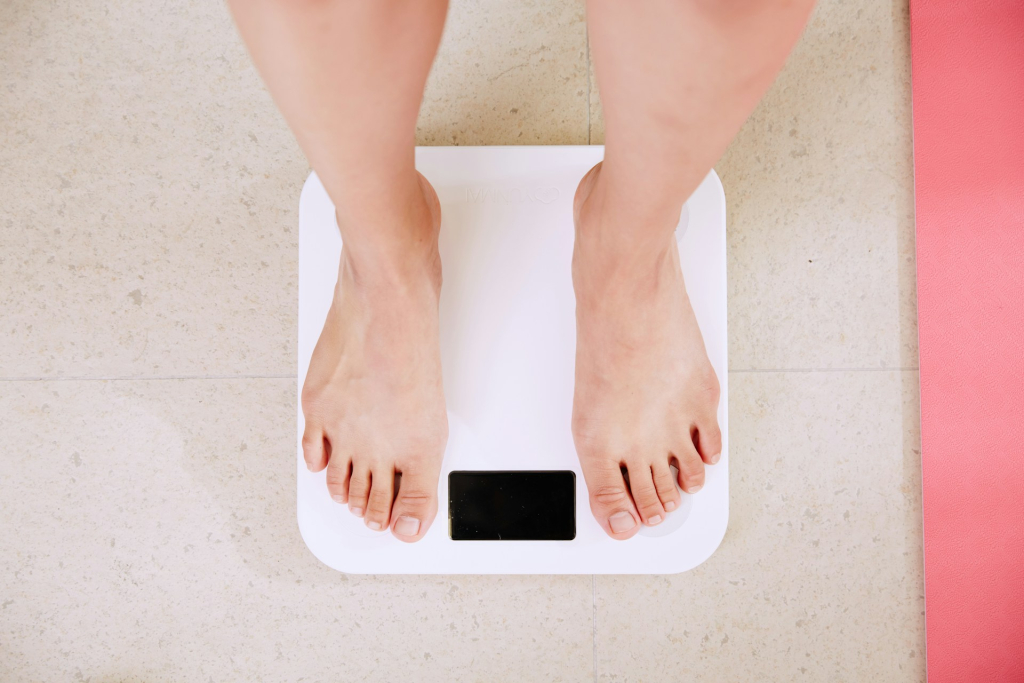
The scale is a helpful tool, but it’s not the only way to track progress. If you eat well and start strength training, your muscle mass may increase, so the scale might not drop immediately—even though your body is shaping up beautifully. Take photos, measure your inches, and celebrate wins beyond the numbers.
10. Love Your Protein
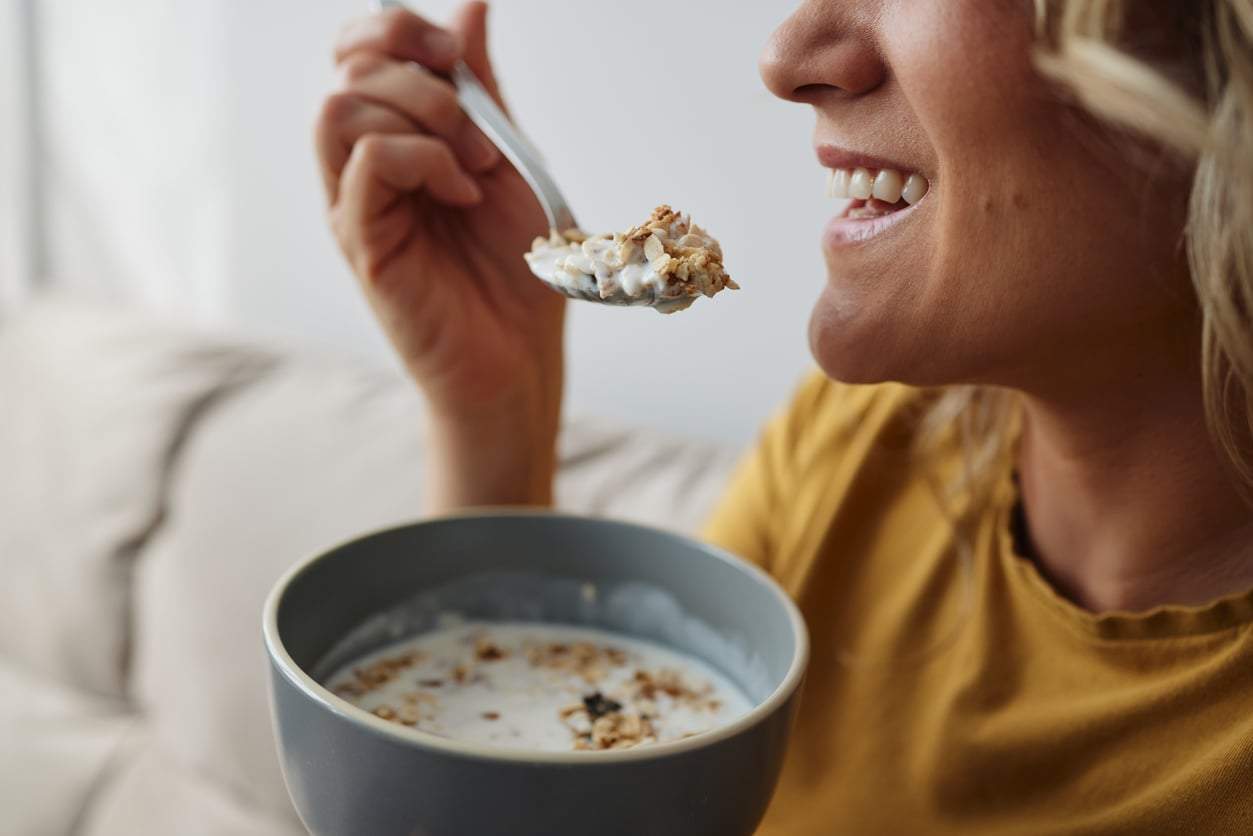
Aim for 15–25 grams of protein at breakfast. Protein digests slowly, curbs hunger hormones, and keeps you feeling full longer. It also helps curb cravings for sweets and snacks later. Pair protein with fiber and healthy fats—try two eggs with whole-grain bread and avocado, or high-protein yogurt with berries and a few almonds.
11. Eat Breakfast Like a King...
It’s important that most of your daily calories come earlier in the day. A 2019 study found that people who ate a small breakfast and a large dinner lost significantly less weight than those who had a big breakfast and a lighter dinner. So, enjoy a hearty breakfast and keep dinners lighter and lower in calories.
12. Don’t Give Up!
No matter what happens, don’t quit your healthy lifestyle journey or your weight loss efforts. Results might not show immediately, but good things take time—and lasting weight loss doesn’t happen overnight. Stay determined, patient, and focused on your goals.