It carries curiosity, surprise, sometimes a bit of a defensive reflex, but often it reflects a deep cultural habit: the idea that eating without meat is somehow incomplete, lacking, or just "not quite right." I’ve noticed how deeply rooted the thought is in our culture that living without meat is like cooking without spices—possible, but why bother.
For me, it’s not just that I don’t miss the taste: after 9 years of eating plant-based, it’s become so natural that sometimes I even forget what cooking and eating differently felt like.
Disgust Doesn’t Start Where You’d Expect
It might sound strange, but my answer is based not only on my own experience but also on some fascinating science. We’ve long known that tastes and eating habits depend on culture, religion, sociology, and biology. But why people reject certain foods—whether Brussels sprouts or meat—is something we’re only beginning to understand.
A recent study (Disgust and distaste – Differential mechanisms for the rejection of plant- and animal-source foods) found that people often avoid meat not because they dislike the taste, but because it triggers disgust—a deep, instinctive reaction linked to contamination. This isn’t the “ew, too greasy” feeling; it’s the kind of disgust you get when you see spoiled meat. It’s your body warning, “Don’t eat this—it’s dangerous!”
Interesting, right? While people tend to reject plant foods mostly for taste reasons—texture, bitterness, or odd mouthfeel—many vegetarians and vegans experience meat as a kind of “contaminant,” something better avoided altogether. Though disgust in this form isn’t my personal experience, my move away from meat didn’t happen overnight.
That Famous Brassói with Lots of Peas
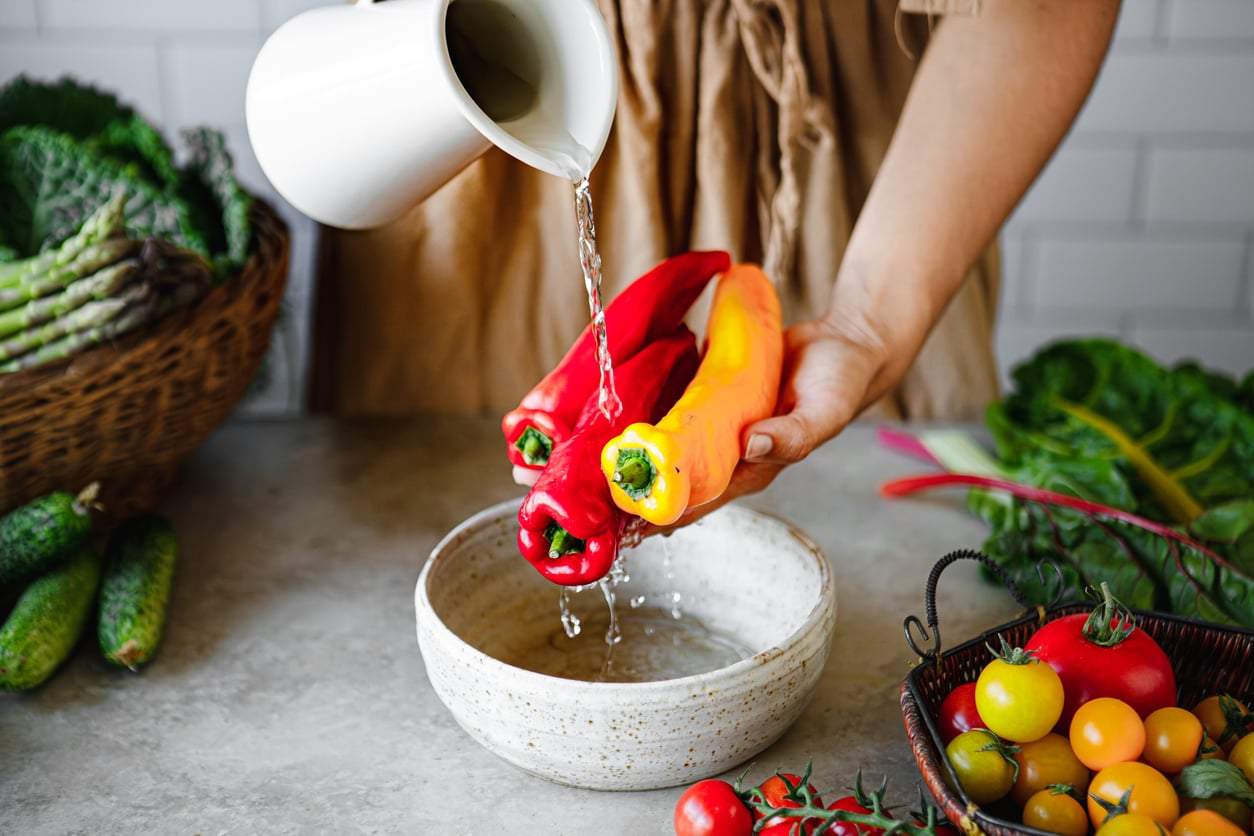
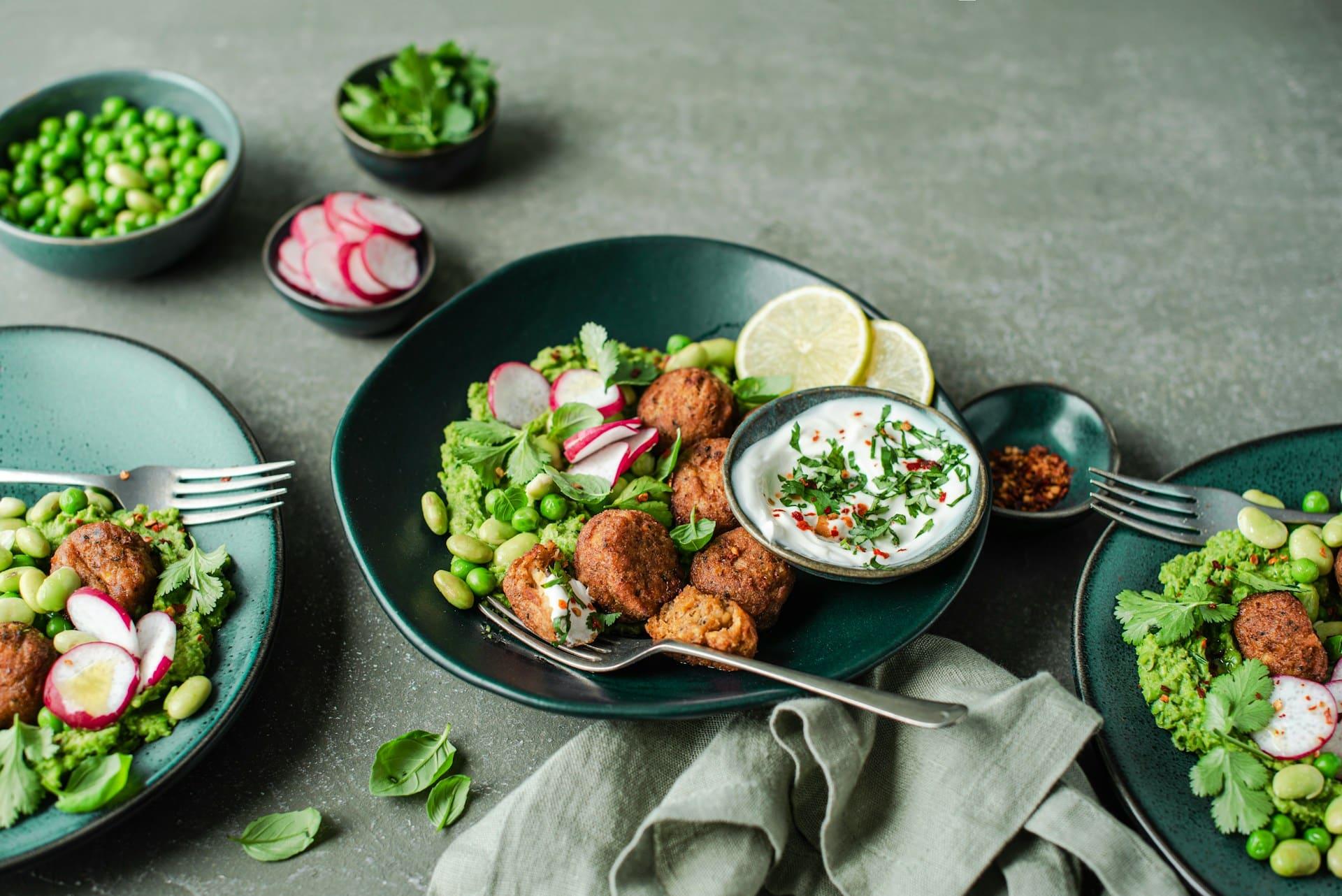
Growing up, we used to say that if I were locked in the kitchen garden for a week, I wouldn’t lose weight—I’d probably gain a few pounds. I loved vegetables and fruits—the fresh scent of tomatoes, soft peaches, crunchy cucumbers, and how the broad bean pods would burst between my fingers. I remember that as an adult, when I cooked brassói, there was always more peas than meat. I didn’t know why back then, but I felt it tasted better and more natural that way.
I didn’t switch to a plant-based diet overnight, but that’s where the journey led. First, I gave up dairy, then meat, then eggs, and slowly reached the moment when I simply had no doubts left: I found what I was looking for!
A Diet That Frees You, Not Limits
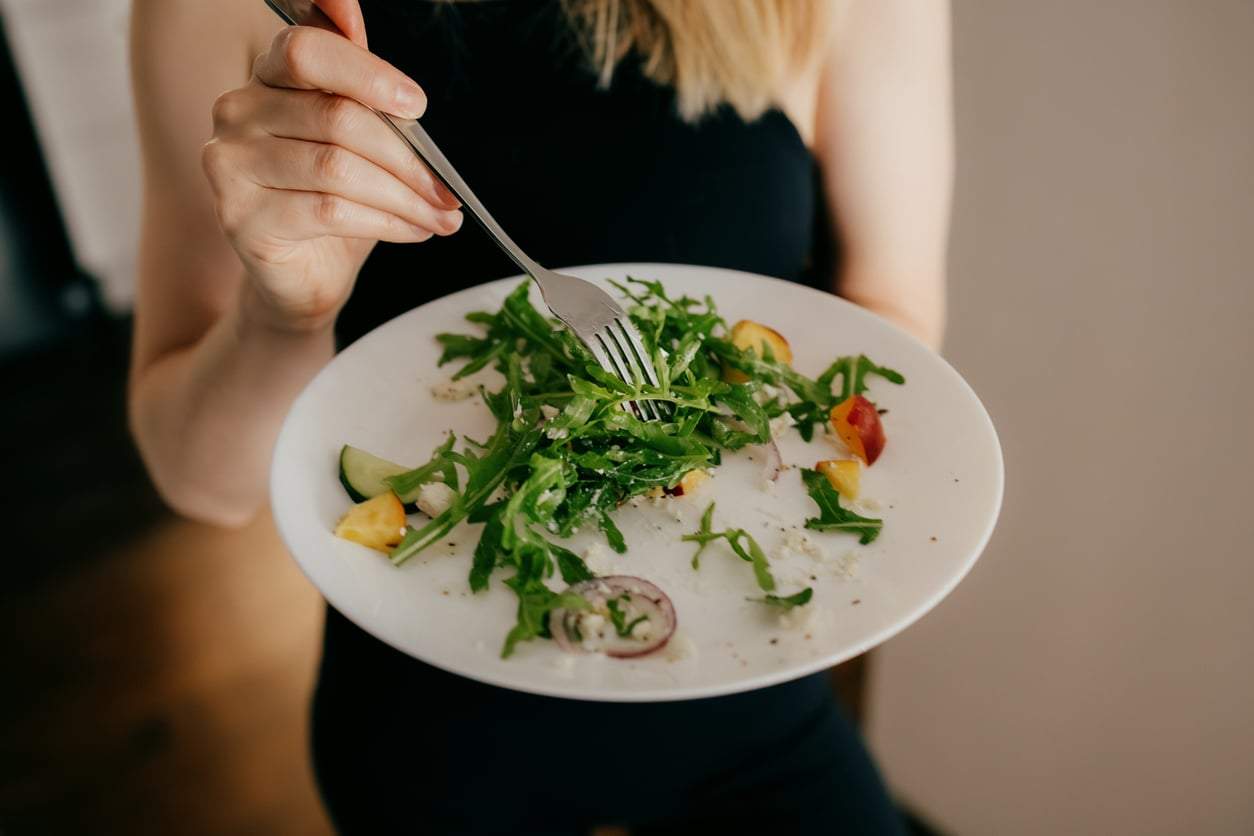
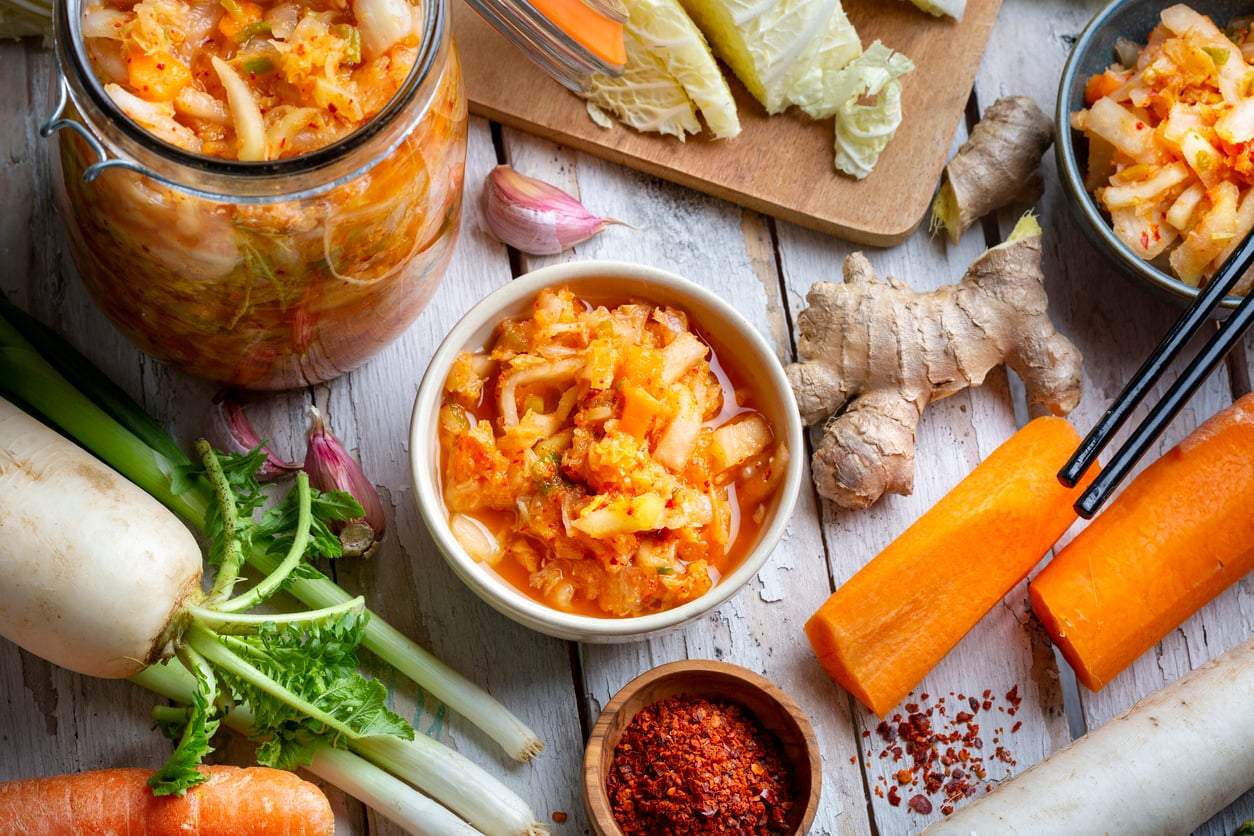
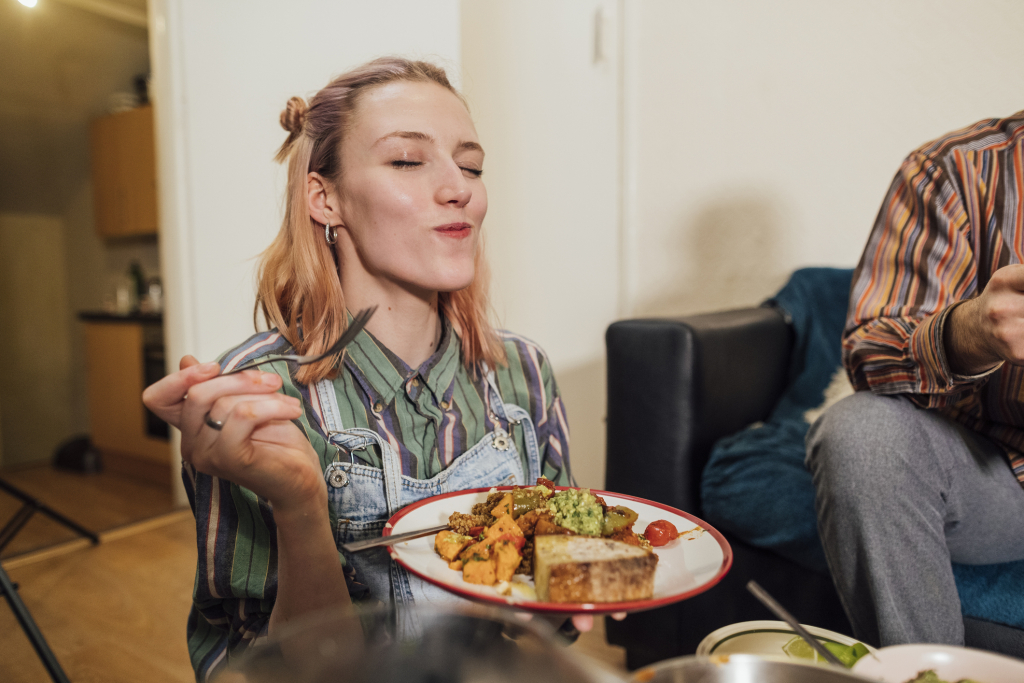
Many think giving up meat means missing out or losing something. For me, it was the opposite. It felt like a whole new world opened up in my kitchen. I used to cook the same old, boring dishes over and over. Since switching, I experiment more, discover new ingredients, use far more spices, and my meals have become richer in flavor, color, and aroma. Cooking has become a creative joy again, and when I can grow part or all of a seasonal dish in my own garden… that’s pure happiness.
I See Food Differently
Over the years, not only have my recipes changed, but my relationship with food has too. I care not just about what’s on my plate, but where it comes from, how it affects my body, and the story it carries. I couldn’t eat with a clear conscience anything that came from the suffering of a living being. This isn’t about moral superiority, but simple kindness and sensitivity. Usually, it doesn’t bother me if others eat meat around me, but sometimes I feel queasy and have learned to mentally distance myself.
I thought giving up certain flavors and experiences would be hard, but instead, I gained new favorites, new rituals, and a much more mindful connection with my plate.
Today, it’s not about “what I don’t eat,” but how I can get the most out of what I do—flavor, nutrients, and joy. Many still ask in disbelief, “How can you live like this?” and I just smile. I know I don’t need to argue—just showing that this path is happy, tasty, creative, and healthy is far more inspiring than any debate.