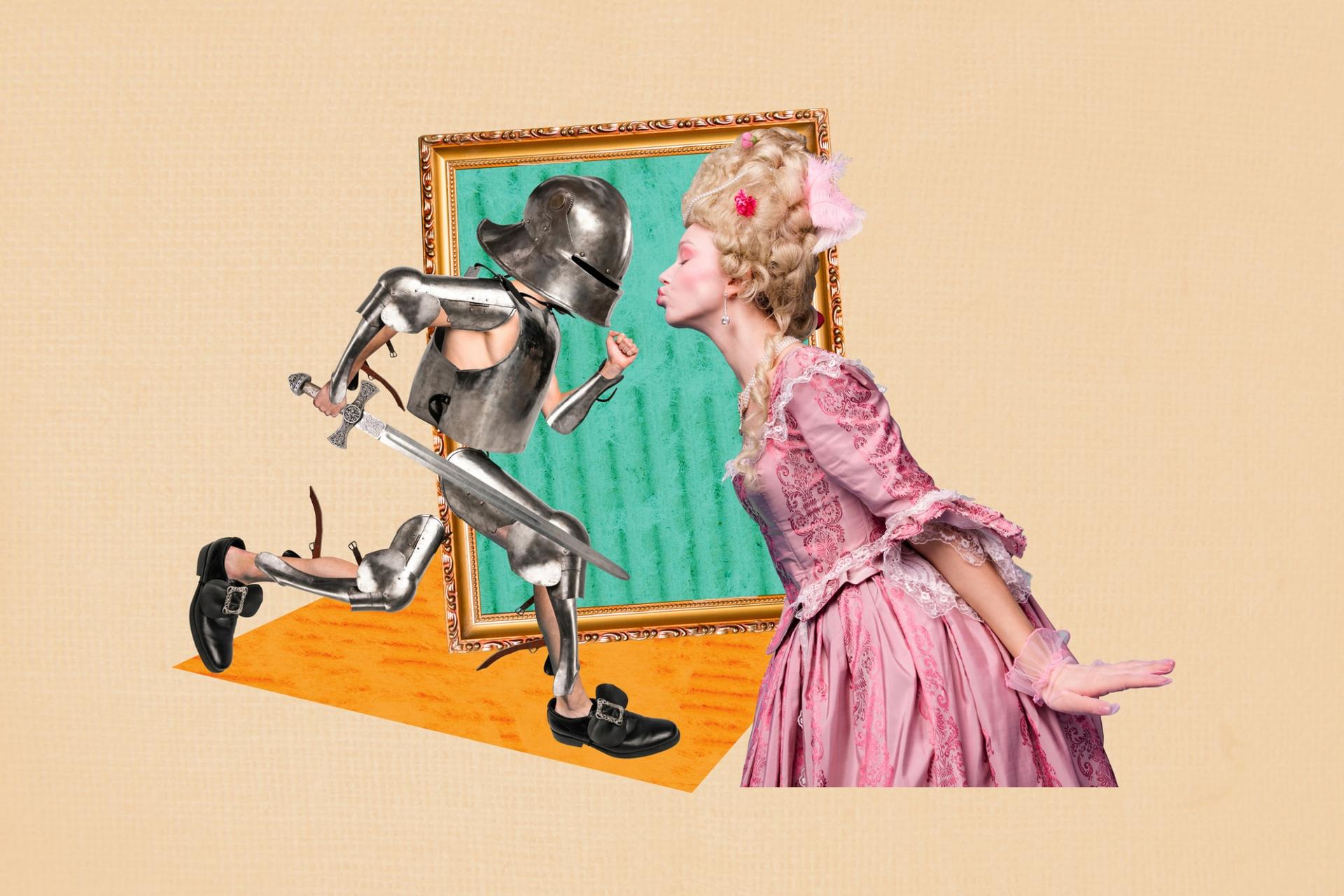
One of these new trends is the princess treatment, where women—mostly in heterosexual relationships—expect men to give them "royal treatment": gifts, attention, opened doors, paid dinners, surprise trips, and basically to be the center of the relationship. At first glance, this might seem like a harmless or even sweet series of gestures—but if we dig deeper, a more troubling picture emerges.
Behind the Mask of Kindness
I wholeheartedly agree that women should raise their standards. It’s basic that men share household chores and parenting, that we become partners—not just "moms"—and that we don’t settle for someone who only remembers anniversaries after being reminded thirteen times.
But the princess treatment isn’t just about being thoughtful. Its message is that women must be pampered at all times—not as equal partners, but as passive princesses with childish expectations, whose only job is to look pretty, accept gifts, and wait for magic.
In this role model, the woman is not an active participant but dependent—and this drags us back into old, dusty gender roles where the man is the active provider, and the woman’s job is to be decorative—a living ornament whose expenses are covered by the other.
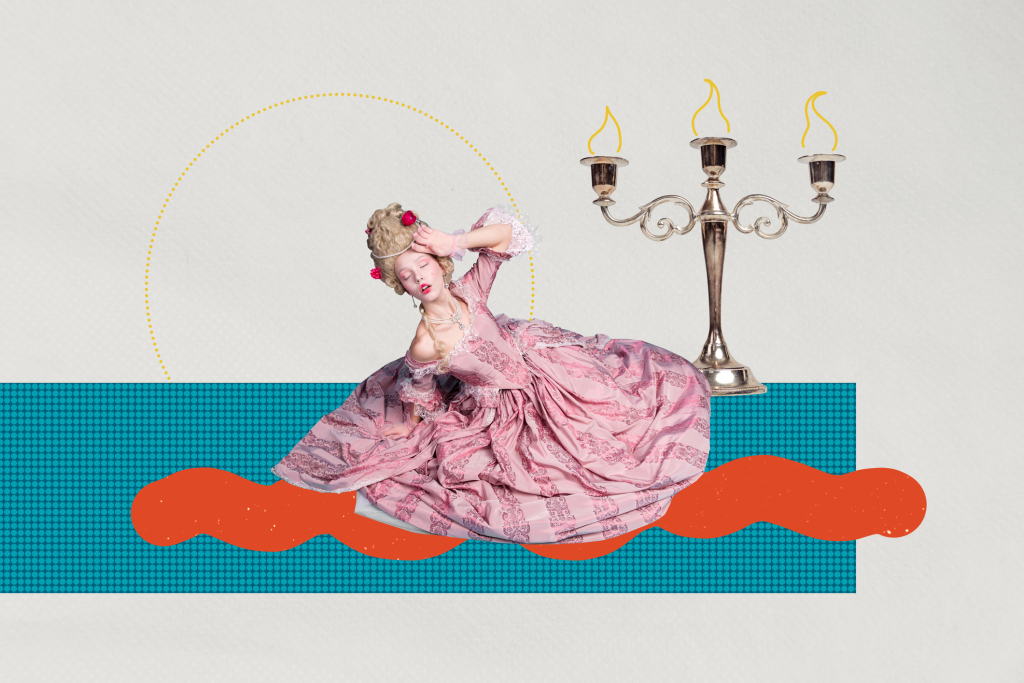
Sure, everyone can do what they want in their relationship, but when something becomes an idealized TikTok trend, it’s a societal issue.
While we’ve fought for decades against infantilizing women—to have their decisions, careers, and opinions valued equally—this trend subtly but effectively undermines all that.
Instead of empowering women’s autonomy, it glorifies dependence and vulnerability, pretending women actually want this. Again, some might—but this isn’t what we’ve been fighting for over centuries.
Romance or Repackaged Sexism?
Many argue the princess treatment is just a revival of lost romance. But it’s crucial to distinguish mutual care from one-sided expectations. Healthy relationships naturally include surprises, emotional support, and sometimes financial help. The problem starts when it becomes one-sided, reducing the woman’s role to waiting and expecting.
The princess treatment repackages old sexist patterns: a woman’s value lies in her beauty, delicacy, and "grooming," and in return she’s entitled to luxury, support, and care.
This dynamic isn’t about reciprocity but about fixed roles, conveniently ignoring the downsides. TikTok videos show only jewels, flowers, cool pools, and expensive bags—not that these women give up self-determination, become vulnerable, and lose the space to speak up if treated like objects. They live in a golden cage, with their happiness controlled by someone else.
One Step Forward, Two Steps Back
The princess treatment isn’t a feminist breakthrough—it’s the opposite. While it seems to serve women’s interests by promising "the good life," it actually restores a dynamic that has blocked gender equality for decades. It offers prescribed roles instead of choices. Passivity instead of autonomy. Dependence instead of partnership.
TikTok trends come and go—but the values they promote matter. The princess treatment is a romanticized step backward, trapping women in sparkling boxes of outdated roles. And if we’re not careful, these relationship rules might rewrite themselves not just online but in real life. It might look appealing now, but anyone drawn to it should think twice about what they really want.