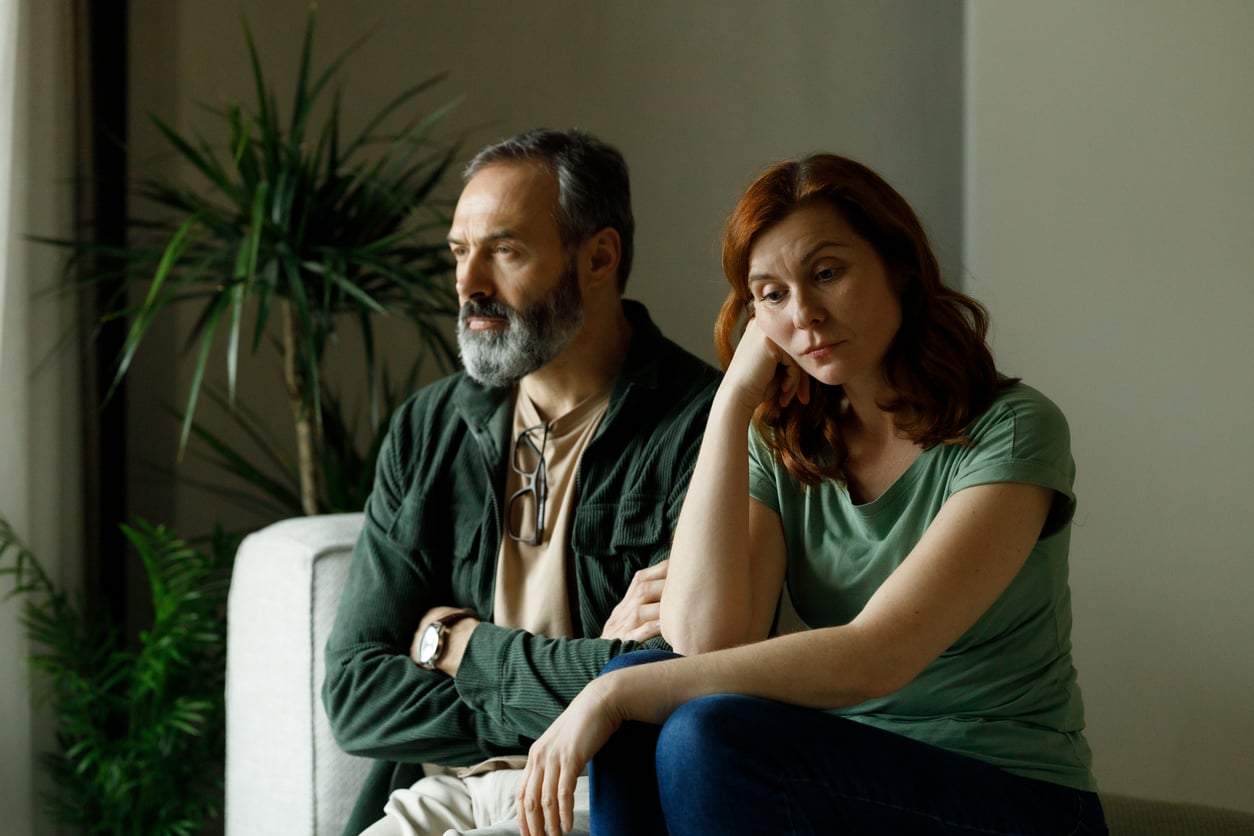
What Is Social Loneliness?
Social loneliness sounds like a contradiction, but it perfectly captures a common experience: being physically close to others yet feeling emotionally isolated. You might be in a relationship or part of a friend group, and still feel alone. This feeling often stems from psychological factors like low self-esteem or communication struggles.
1. You Don’t Feel Truly Understood
Even if friends, family, or partners are around, you might feel like no one really gets you. When conversations stay surface-level and lack emotional depth, it’s a strong sign of social loneliness.
2. You Feel Constantly Tired
Social loneliness can be physically draining. Keeping up appearances takes mental energy, often leading to physical exhaustion. This ongoing emotional struggle eventually wears down your body.

3. Your Self-Confidence Is Missing
Living with social loneliness often means battling self-esteem issues. Feeling you’re not good enough for others and being overly self-critical can deepen this experience.
4. You Feel Disconnected in Your Relationship
The emotional distance that comes with social loneliness often dulls your interest in intimacy and shared activities. Time with your partner might not bring the joy or recharge you’d expect.

5. You Often Withdraw
Another clear sign is needing alone time to recharge. Even if you’re not naturally introverted, you might only feel safe at home when you don’t have to share your inner world with anyone.
If you recognize these signs in yourself, exploring psychological approaches can help improve your emotional connections and quality of life. Sometimes, reaching out to a professional is the best way to find your path to a fuller, emotionally satisfying life.