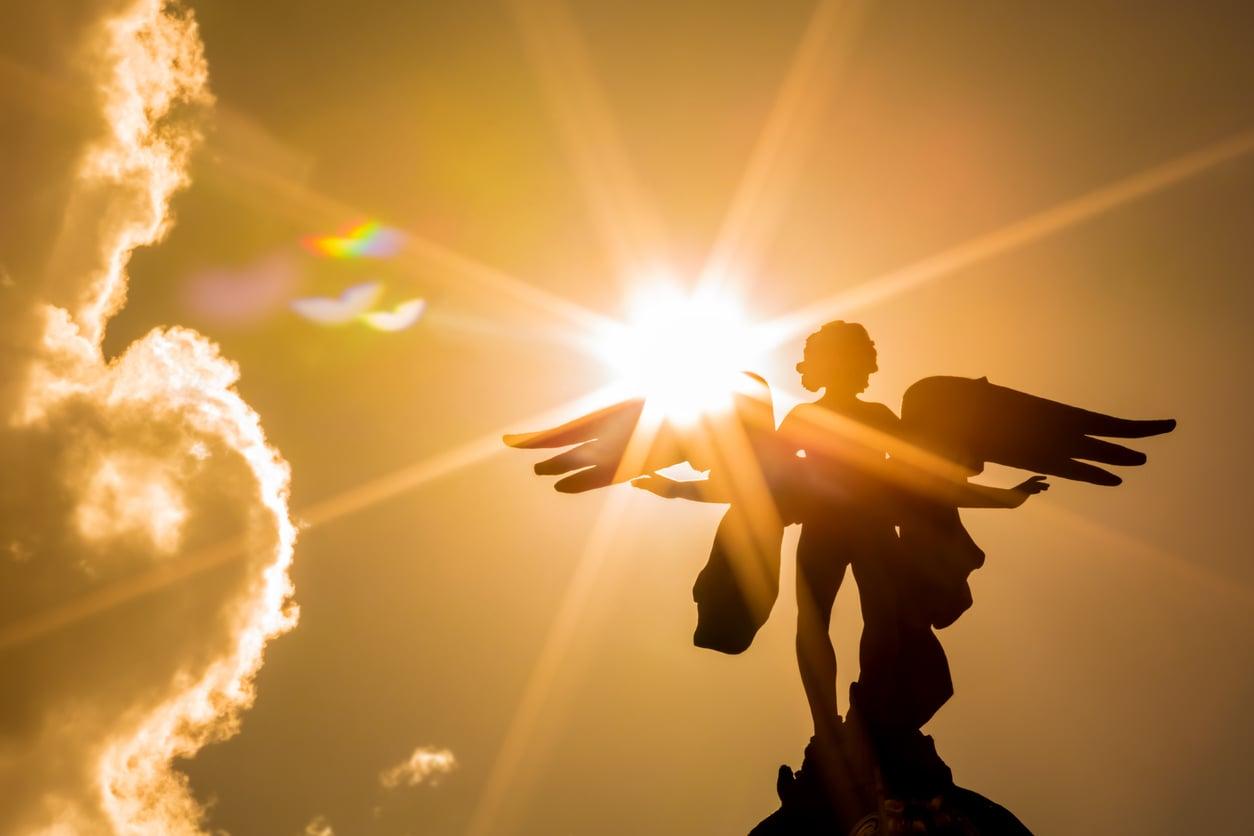
Saint Michael’s Day, September 29, traditionally marks the end of the harvest season and the close of the agricultural year. This day is rich with folk customs and beliefs, while the esoteric world honors it with various rituals. Exploring the fascinating links between ancient traditions and modern spiritual interpretations is truly rewarding.
The name Michael remains popular in Hungary, making September 29, Michael’s Day, a well-known and cherished celebration. It’s no surprise many parents choose this name for their children, as Archangel Michael is one of the Bible’s most inspiring and positive figures.
In scripture, he appears not only as the guide for souls to the afterlife but also as a warrior of light and leader of the heavenly armies.
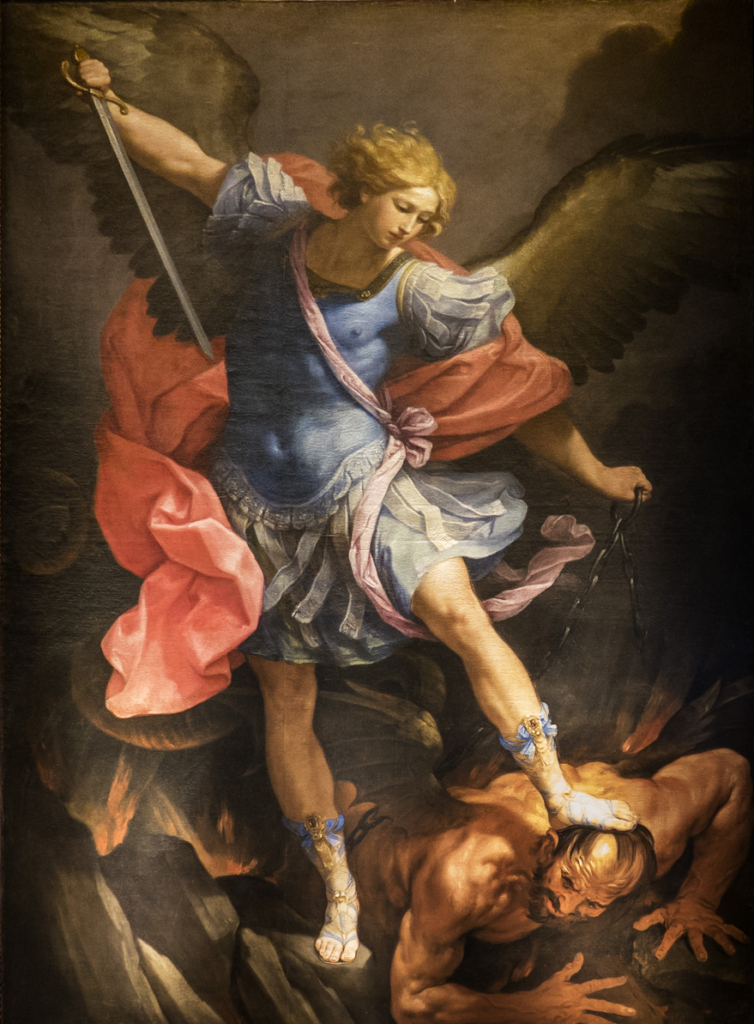
Archangel Michael is often depicted as a warrior soldier in paintings and sculptures, being the patron saint of Christian soldiers. He’s also seen as a judge: tradition holds that he leads entrusted souls and weighs their earthly deeds so the Lord can pass judgment. This dual role—as warrior and judge—is symbolized in many artworks where he holds a sword in one hand and scales in the other, representing strength and justice.
Ancient Hungarian Customs and Rural Life Rhythms
September 29, Saint Michael’s Day, was one of the most important turning points in traditional rural society. It marked the close of the agricultural year: shepherds drove livestock down from the mountains and pastures and settled accounts with farmers. Farmhands, shepherds, horsemen, and cattle herders received their wages or signed new contracts at this time. That’s why the old saying goes: “Animals are driven out on Saint George’s Day and brought in on Saint Michael’s Day.”
This day also played a key role in weather forecasting. Folk wisdom says: “If it thunders on Michael’s Day, a harsh winter is coming,” or “If Michael’s Day is clear, Christmas will come without snow.” These predictions helped rural communities prepare for the cold months ahead.
A Community and Family Celebration
In village life, Michael’s Day was more than an economic milestone—it was a social one. Autumn fairs and festivals often took place then, blending commerce and community spirit. People traded livestock, crops, and handmade goods, while religious and social gatherings added deeper meaning.
For young people, Michael’s Day balls and dances were prime opportunities to meet potential partners. Girls dressed in festive clothes, and playful or symbolic fortune-telling often brightened the evening. These joyful events were key moments of community bonding, planned weeks in advance.
Modern Hungarian Connections
Today in Hungary, Saint Michael’s Day is mostly celebrated as a name day, linked to one of the most common given names. Families and friends warmly greet those named Michael, Miska, or Misi.
Many villages still hold traditional events. For example, in the villages of Vas County, Michael’s Day fairs feature not only crops and livestock but also crafts and cultural programs. The Michael’s Day pilgrimage in Csíksomlyó remains a famous event in Transylvania, important both religiously and culturally.
Schools and kindergartens often organize Michael’s Day markets where kids create small crafts and baked goods to sell for symbolic amounts, with proceeds supporting shared goals. This revives the spirit and community role of the old rural fairs.
Bridging Tradition and Today
Saint Michael’s Day was once a clear agricultural and social turning point; today, its cultural and family significance shines brightest. Traditional events, fairs, and pilgrimages have become tourist attractions while still preserving community spirit and rural heritage.
Old weather lore, predictions, and customs tied to work contracts and animal husbandry now mostly serve as historical curiosities. Yet the day’s power to bring people together remains strong. This blend of past and present keeps Saint Michael’s Day alive and meaningful—honoring rural order while creating space for modern community experiences.