Food safety and healthy living are top priorities in every home. But we often overlook the tools we use to prepare our meals. Not all cookware belongs in a modern, health-conscious kitchen. Some materials slowly release toxins that can end up in your food. Luckily, there are safe and practical alternatives.
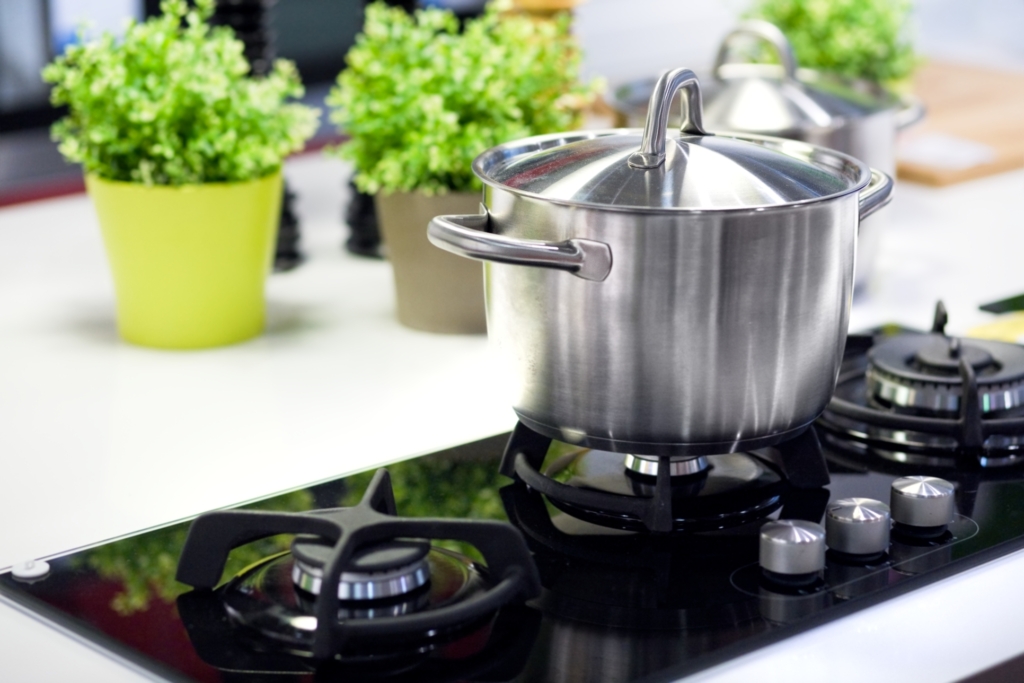
Stainless Steel
When you think of durability and reliability, stainless steel is a top contender—and for good reason. It resists corrosion and doesn’t react with food, so there’s no risk of metal particles sneaking into your meals.
Stainless steel cookware also heats evenly, ensuring your dishes cook perfectly every time. Plus, it won’t alter the taste of your food. Easy to clean and built to last, it’s a smart investment for any kitchen.
Ceramic
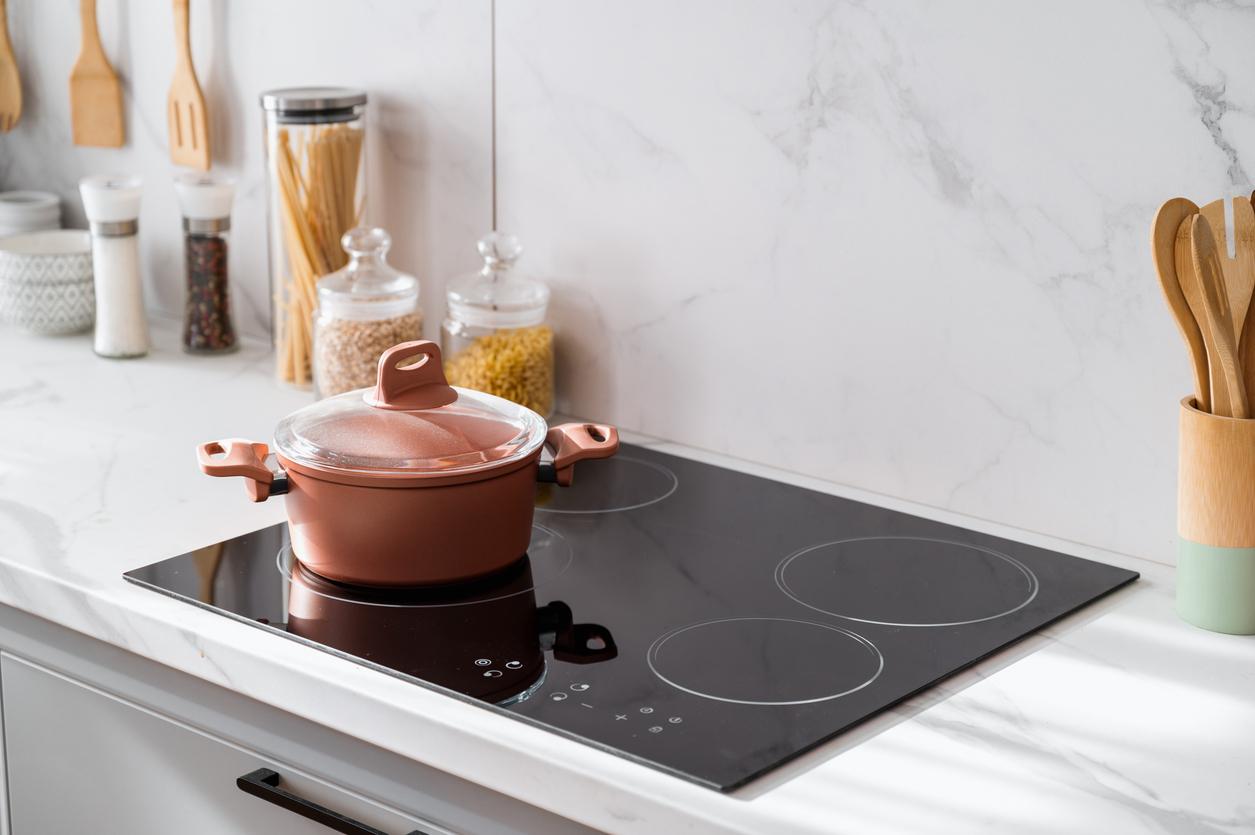
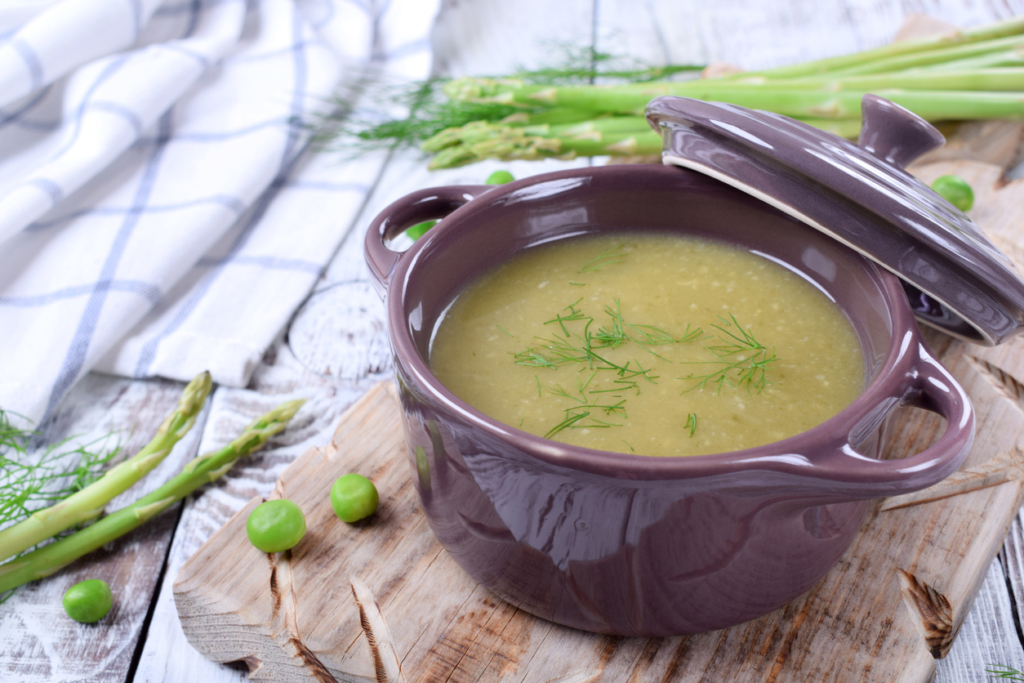
Ceramic cookware is gaining popularity because it’s made from natural materials and doesn’t release harmful substances. It’s perfect for families avoiding synthetic materials and wanting to keep toxins out of their kitchen.
Ceramic holds heat well, keeping your food warm longer. Just keep in mind that ceramic can chip or crack easily, so it needs a bit more care day-to-day.
Enameled Cast Iron
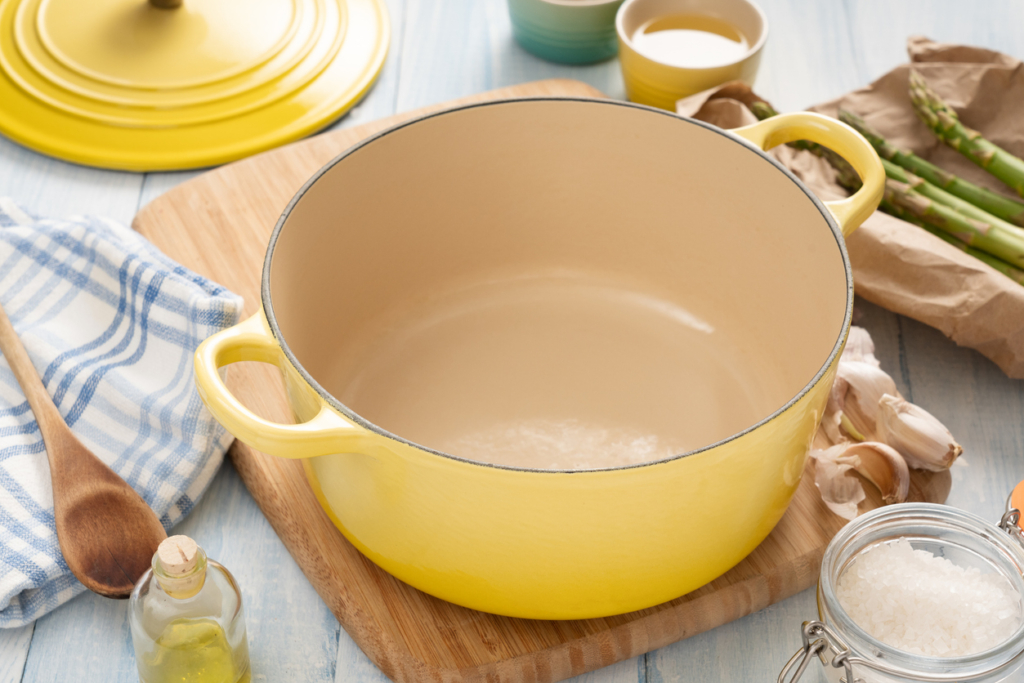
Cast iron has long been a kitchen staple. Choosing enameled cast iron adds extra benefits: the enamel coating stops the iron from touching food directly, preventing rust and blocking metal ions from leaching into your meals.
These pots and pans last for generations with proper care. Their excellent heat retention ensures even cooking every time.
Wood and Marble Cutting Boards
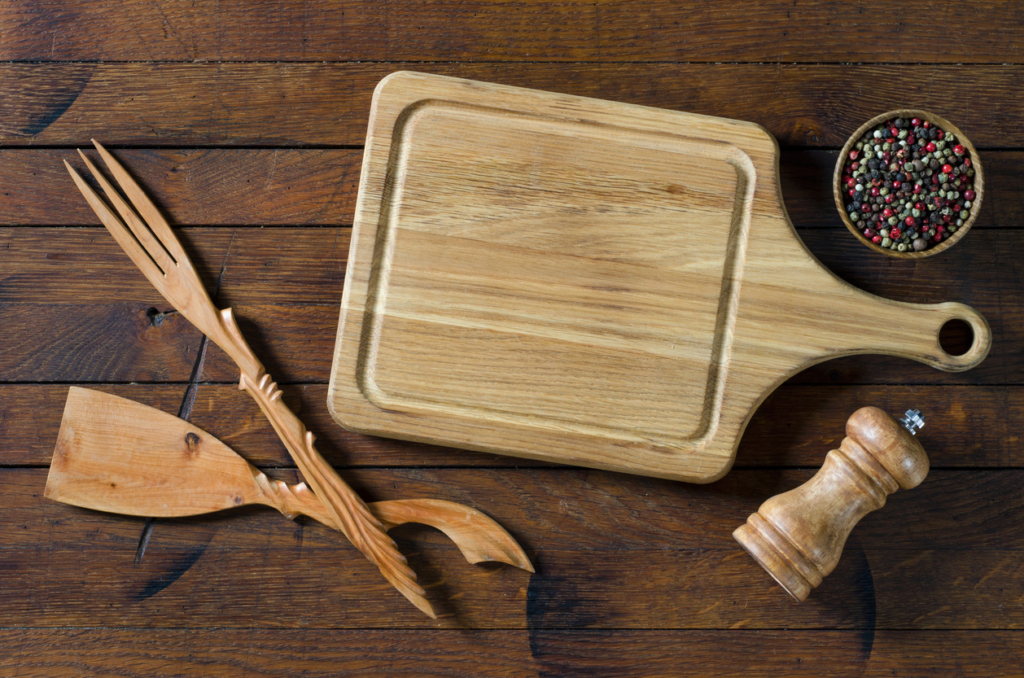
Wood and marble are the best natural choices for cutting boards. Wooden boards have natural antibacterial properties that help keep them clean. Just remember to treat them regularly with mineral oil to keep them in great shape.
Marble boards offer an elegant, durable option. Since marble is hard, it’s best for prepping cold foods to avoid damage.
DON’T: Plastic Cutting Boards
Plastic cutting boards are easy to clean and affordable, but they can pose health risks. Over time, their surface wears down, potentially leaving tiny plastic pieces in your food. Heat can also cause some plastics to release harmful chemicals.
If you must use plastic, choose BPA-free options to reduce risks—but switching to safer materials is a smarter long-term choice.
DON’T: Teflon Coating
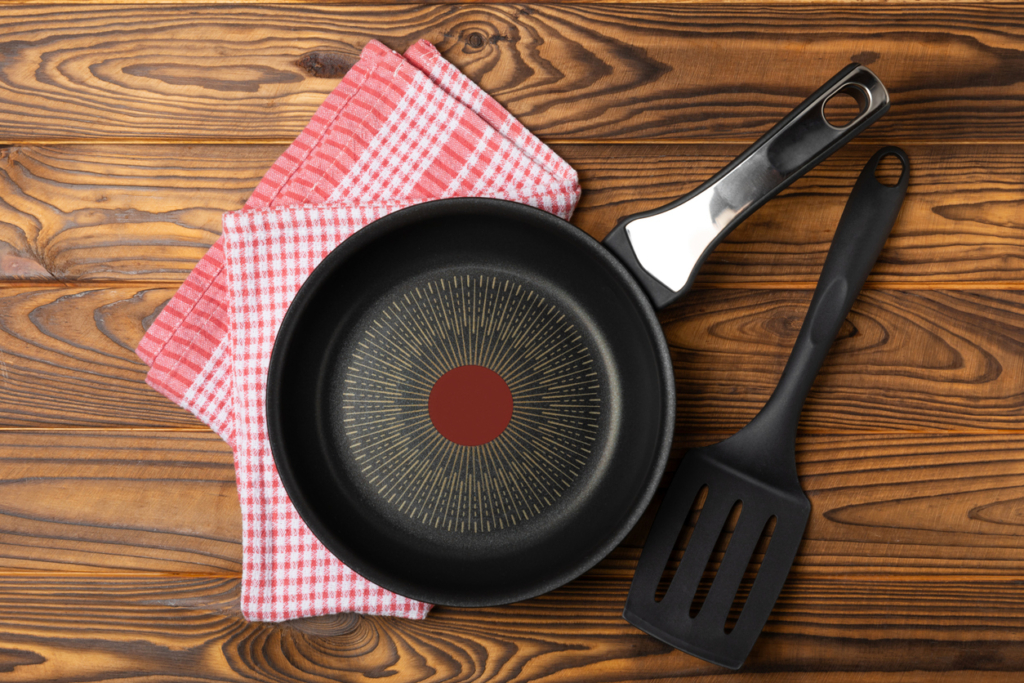
Teflon-coated cookware is popular because food doesn’t stick. But at high heat, Teflon can release harmful chemicals. Scratches on the surface can also cause flakes to mix into your food, which isn’t safe.
Avoid damaging Teflon pans and use them on low heat. Still, many recommend switching to other materials for peace of mind.
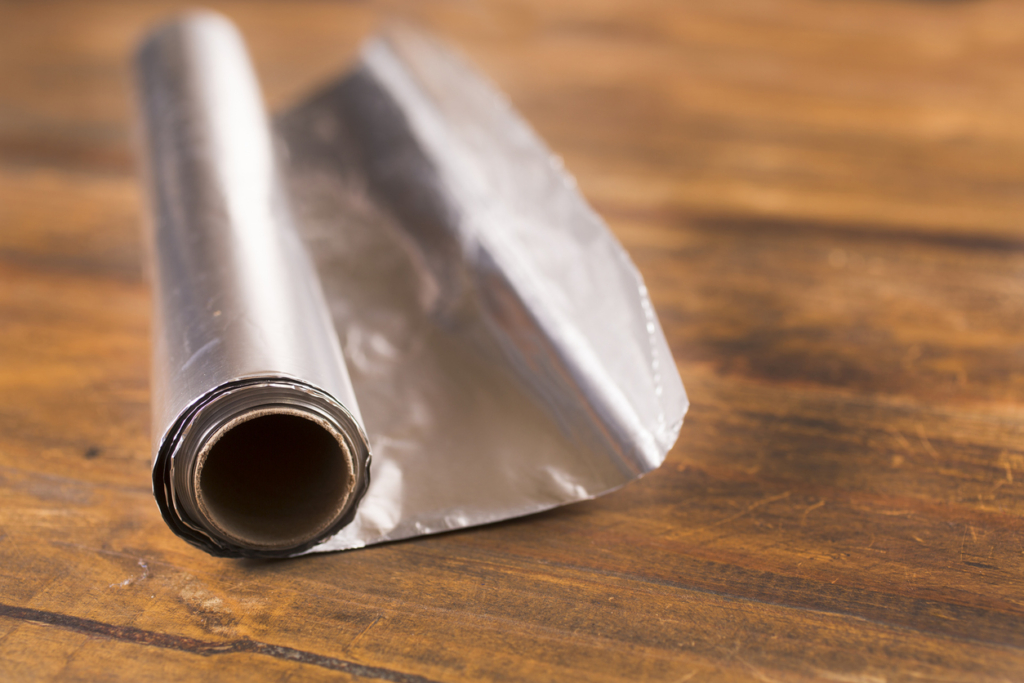
DON’T: Aluminum Foil
Many households rely on aluminum foil for baking and storage. However, direct contact with aluminum foil—especially with acidic or salty foods—can cause aluminum to leach into your meals. Over time, this may contribute to lower calcium and iron levels and memory issues.
Minimize aluminum use in your kitchen by opting for foil-free alternatives like glass or stainless steel containers.