When kids act differently than usual, it’s natural for parents to wonder what’s behind their emotional or provocative actions. Sometimes it’s genuine exhaustion or inner tension, but often these so-called “misbehaviors” are actually part of healthy growth.
Testing Boundaries
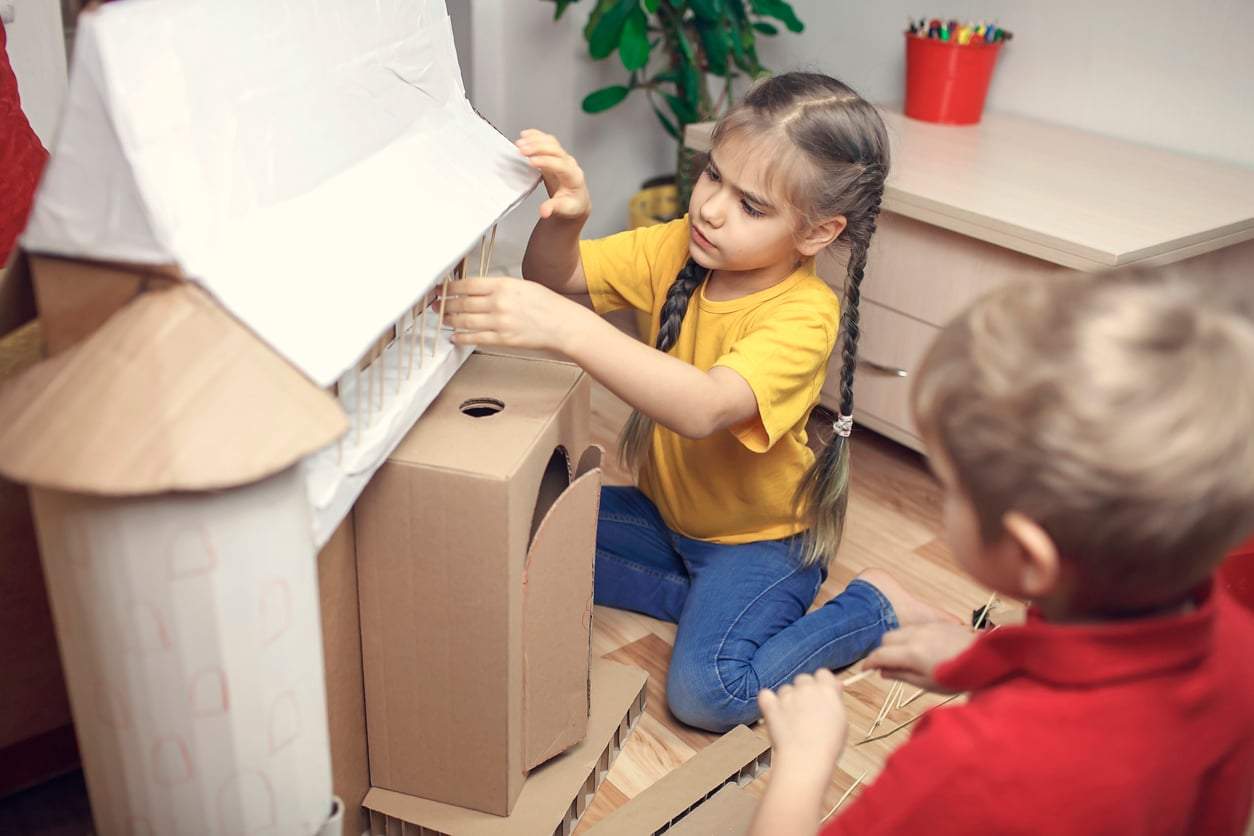
It’s super important for kids to understand the rules that shape the world around them. Testing boundaries is a natural step in discovering what their environment allows. It’s not just about pushing parents’ limits—it’s also about learning their own.
This behavior ties closely to the awakening of independent will, a key part of personality development. Parents should respond consistently but lovingly, so kids feel safe while exploring the world.
Signs of Fatigue
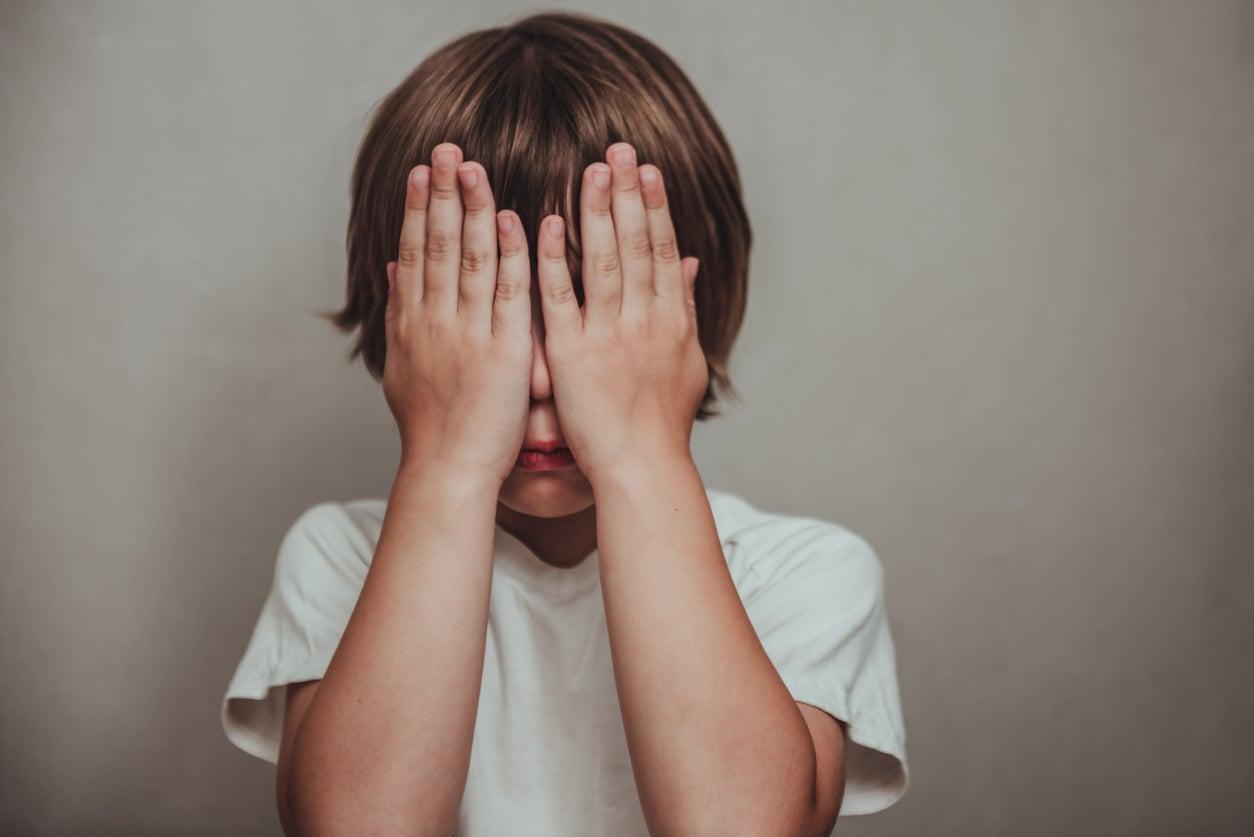
Often, what looks like “misbehavior” is simply tiredness. Emotional and physical fatigue can show up as sensitivity, tantrums, or defiance. Little ones might not have the words to express their needs, so they show their feelings through behavior.
Pay attention to your child’s signals and consider if they’re getting enough sleep and engaging in activities that help them recharge. Managing tiredness isn’t just about quantity of sleep—it’s also about quality moments of rest and connection.
Need for Attention
One of the biggest needs for kids is attention. Sometimes they seek it even through challenging behaviors because without feedback from those around them, they can feel lost. This often leads to behaviors that can be frustrating for parents. Behind it all is a deep desire for love and care.
The best way to meet this need is by spending quality time with your child—joining their world and engaging in meaningful play and experiences. This shared time not only calms but also strengthens your emotional bond.
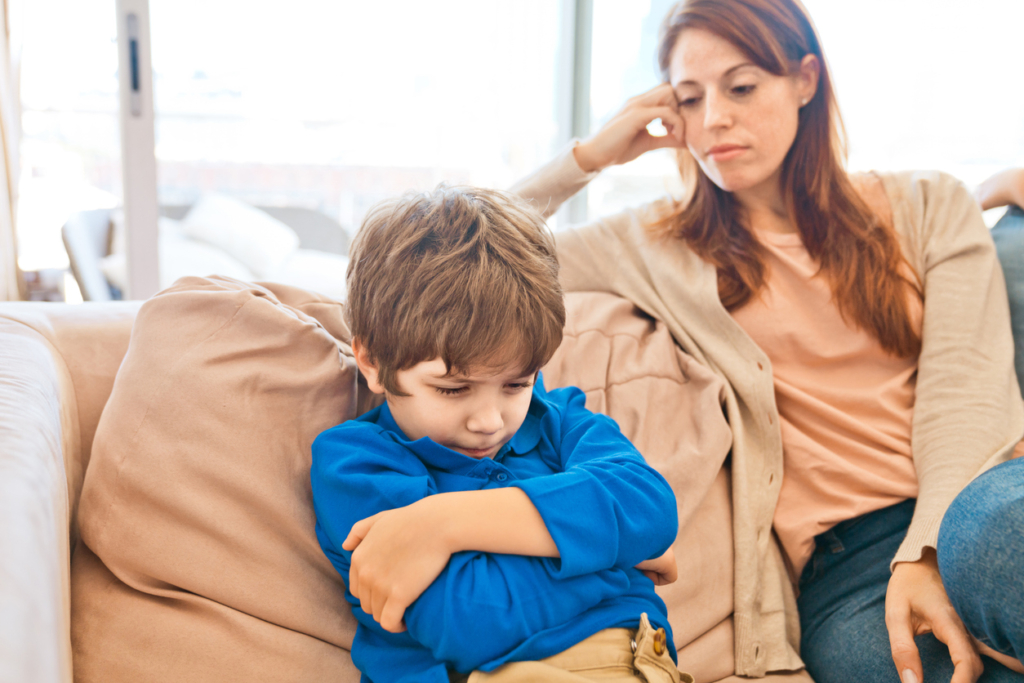
Seeking Emotional Freedom
As children grow, their emotional range expands. Managing these feelings can be tough, and “misbehavior” can become a way to handle emotional weight. Outbursts, tears, or extreme quietness often reflect a natural way to experience emotional freedom.
These expressions aren’t about breaking adult rules but about understanding and connecting with their complex inner world. Empathy, understanding, and support provide the safety kids need to explore their feelings.
Developing Independence
As children grow, they strive to express and assert their own opinions and ideas in different situations. This often leads to conflicts as they balance parental guidance with their own will. Developing independence is a key step in building inner strength and decision-making skills.
Independence also shapes their self-image. With gentle flexibility and loving guidance, we can help children gain new skills and become confident, independent individuals.