Opinion piece by Barbara Lee
I'm probably not alone in thinking that whatever my generation wears is just… normal. What I put on makes sense. What older people wear can feel a little stuck in time. And what younger people wear? Often too much, too loud, too strange. But honestly, I suspect everyone feels exactly the same way about their own generation's style — and everyone else's.
Every generation brings something different
The truth is, we all see other generations through a slightly distorted lens. We're emotionally attached to our own style — it's what we grew up with, what we're used to, what holds our good memories. It becomes our reference point.
From that vantage point, everything else either feels outdated or bewilderingly new.
But if I take a step back, it's pretty clear that fashion doesn't belong to any single generation. It's more of a cycle — one where every age group contributes something, just not the same thing.
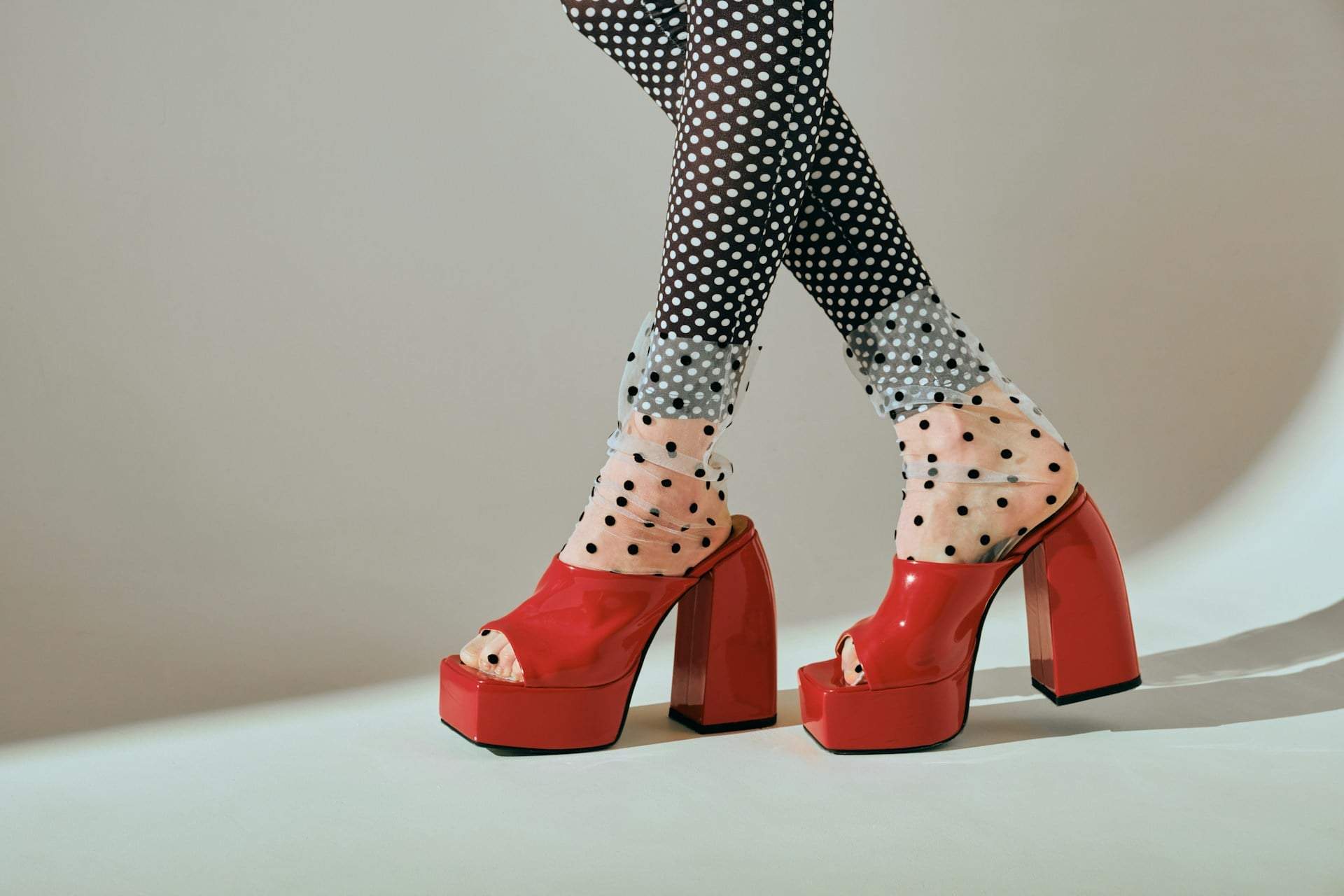
Gen Z, for example, has a visibly different relationship with fashion than those who came before them. They're far less concerned with what's "flattering," "appropriate," or traditionally elegant. For them, getting dressed is about self-expression — full stop. They mix clashing pieces, blur gender lines, play with proportions and silhouettes. Sometimes it genuinely looks like they're trying to provoke a reaction.
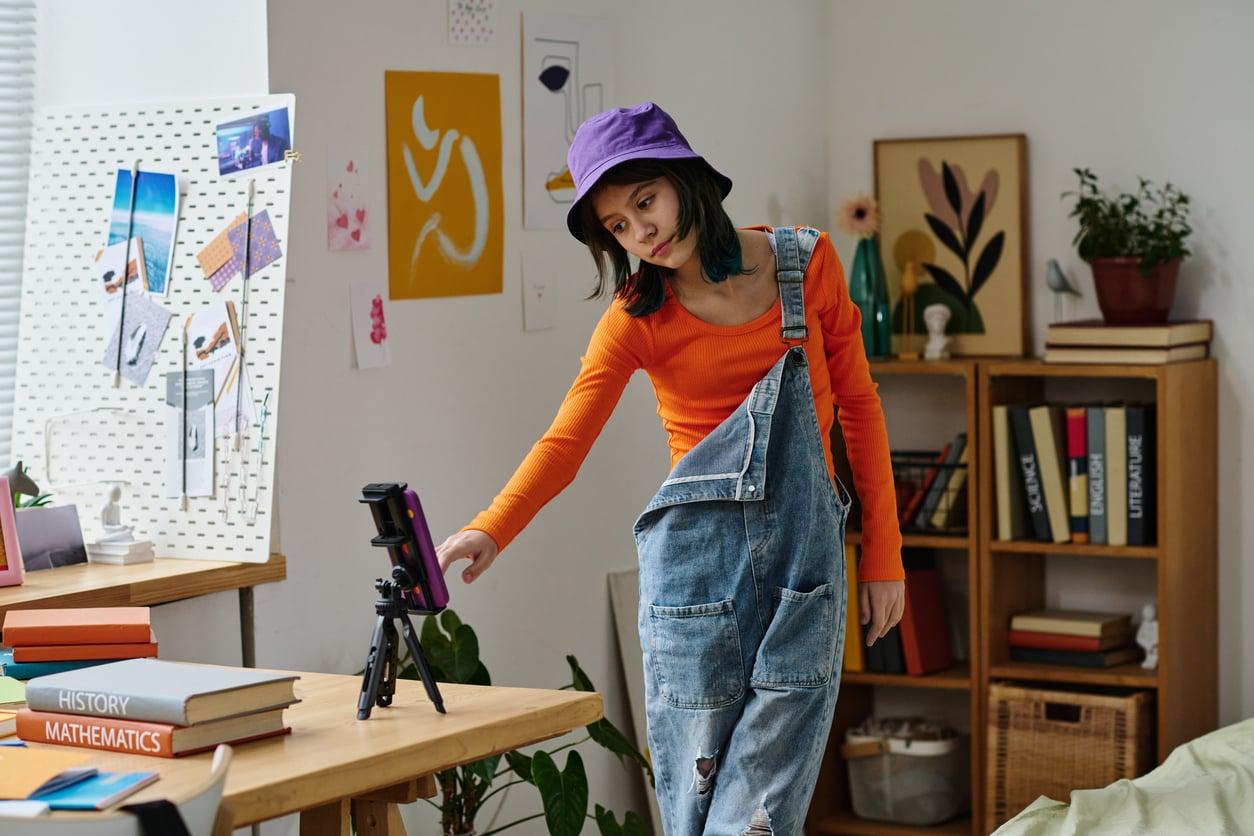
But that's exactly the point. They're the ones who experiment. Who aren't afraid of looking "weird." And because of that, they're the ones who open up new directions. It's no coincidence that major fashion houses and global brands are constantly watching what's happening on TikTok and on the streets — because inspiration no longer flows from the top down. It rises from the bottom up.
Who translates the experiment into real life?
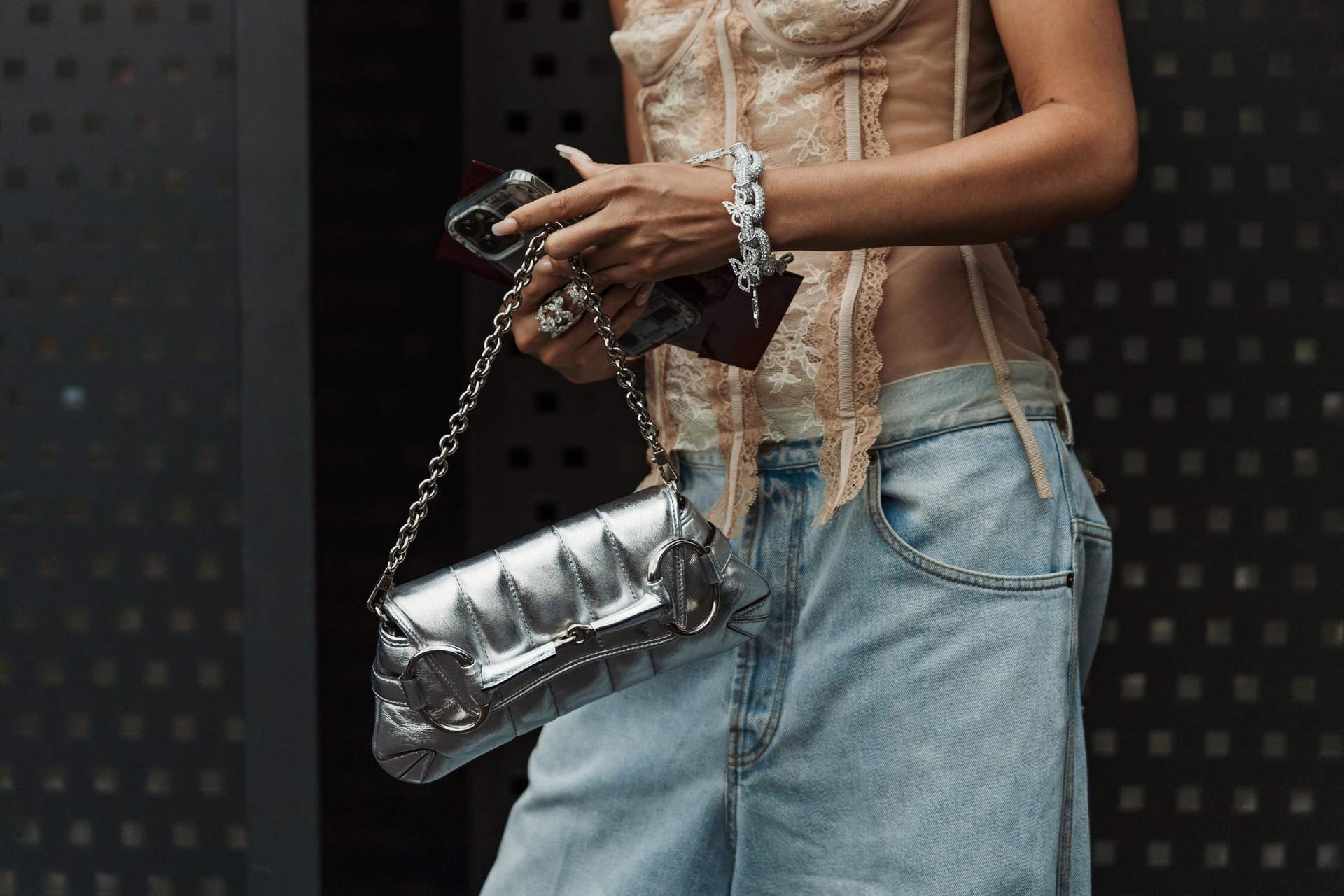
That's where millennials play an underrated but essential role. If I'm being honest, I think they're often the ones who translate Gen Z's experimental energy into something actually wearable. They take what Gen Z pushes to the extreme and filter out what genuinely works day to day — what's not just exciting, but livable.
Maybe that's because millennials are simply at a different life stage. Work, family, responsibility — the wardrobe has to be practical too. You can't wear everything, but you don't want to give up on style entirely either. So a natural filter emerges: what actually makes it into everyday fashion, and what stays a fascinating but fleeting experiment.
This dynamic is worth paying attention to if you're interested in where trends really come from — and why some looks go mainstream while others disappear after a single season.
So who's really in charge?
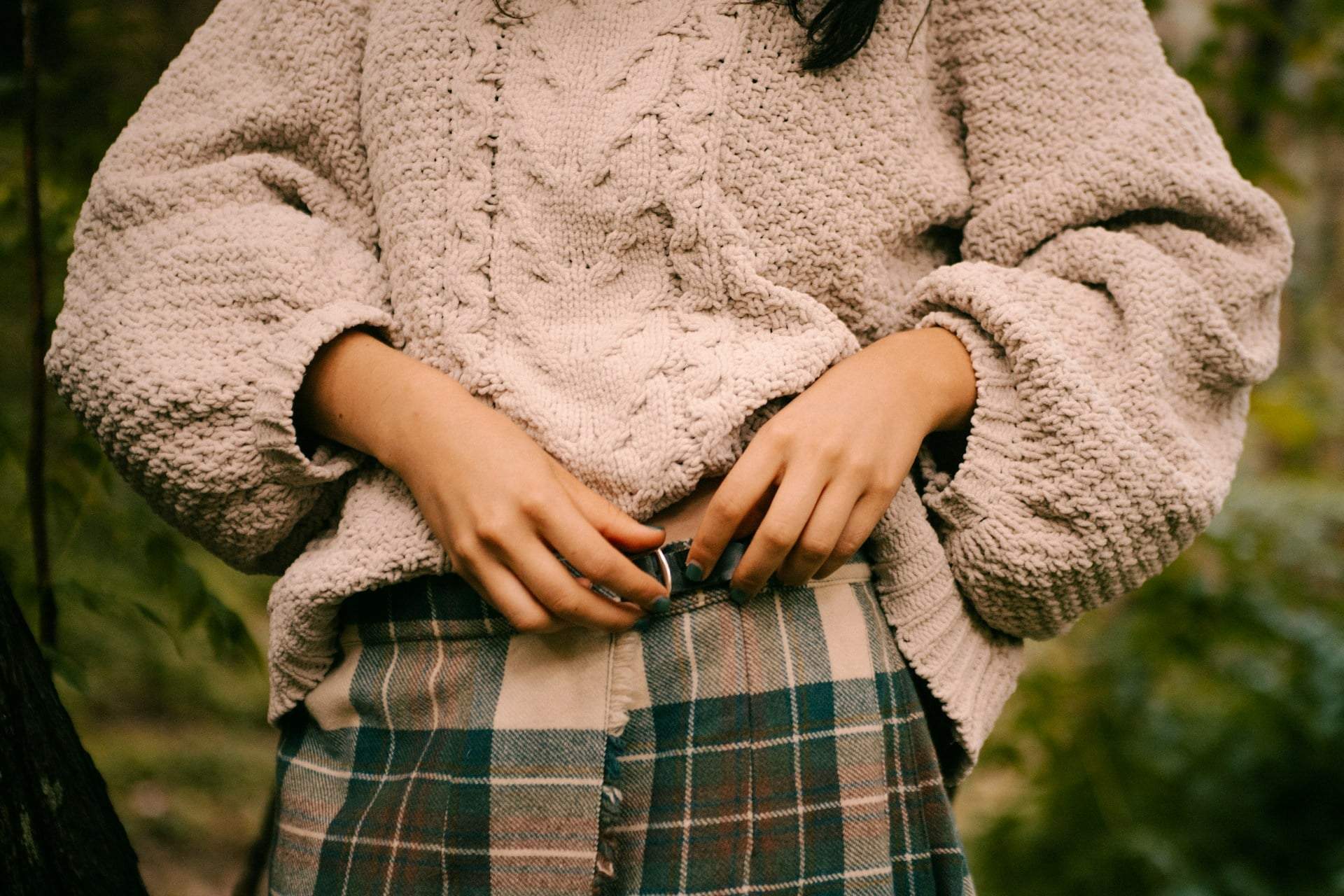
Framed this way, the question of "who dictates fashion" becomes a little misleading. Gen Z supplies the impulse — the new ideas, the boldness. Millennials organize, refine, and integrate. And older generations, even if we rarely give them credit for it, provide stability: they're the ones who preserve the elements that hold long-term value.
Gen Z might be ahead of the curve right now. Millennials might be more cautious. But this isn't a fixed state — it's just a snapshot in time.
And while we're all quick to critique each other's fashion choices across generational lines, I'm increasingly convinced that fashion isn't really a generational question at all. It's a question of courage. Who's willing to play? Who's ready to step outside the familiar? Who's less afraid of what others think and more afraid of being boring?
Ultimately, fashion is just a game. A tool for showing who we are — or who we want to become. And in that game, what matters isn't which generation you belong to. What matters is whether you're playing at all.