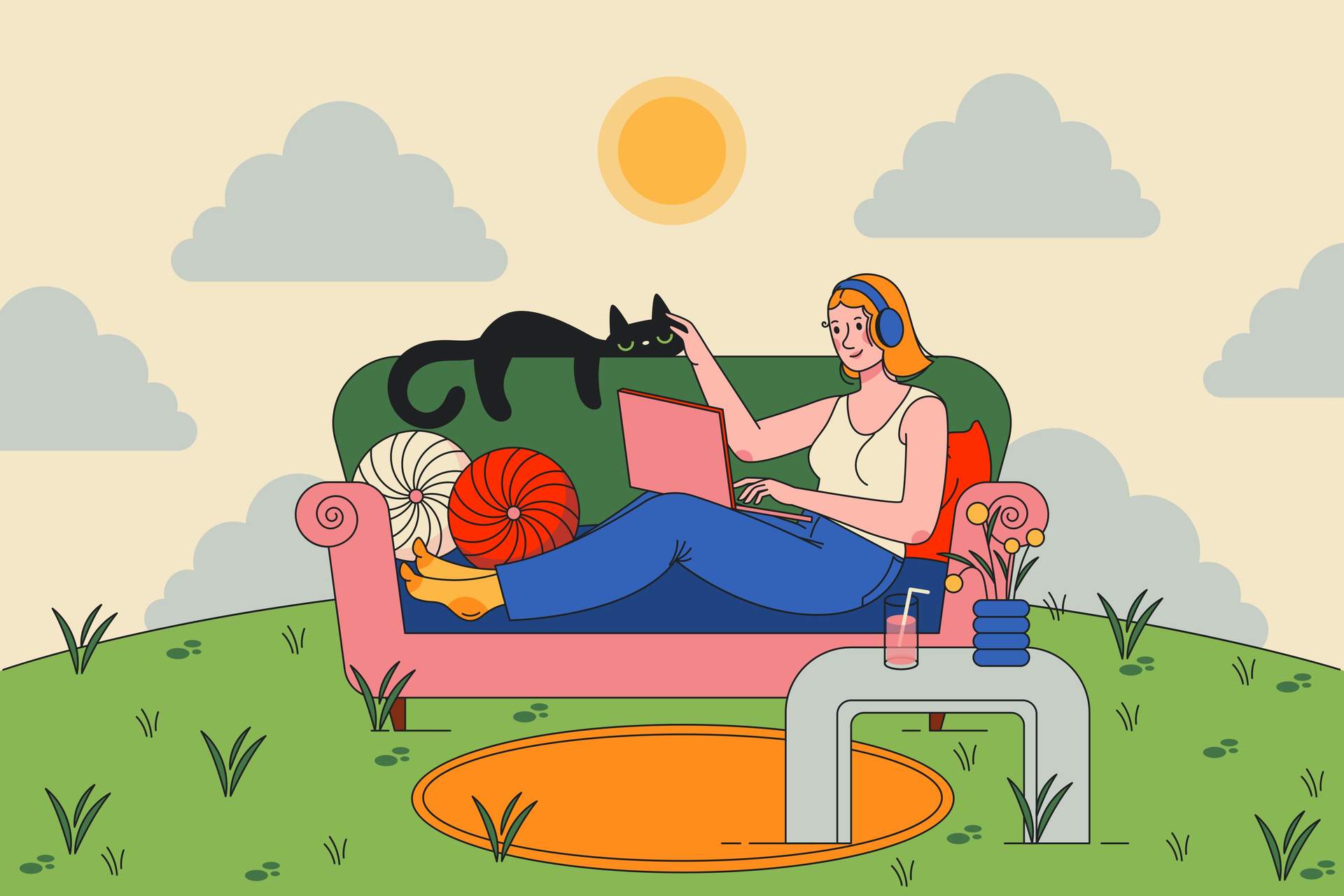
In a world that prizes productivity above almost everything else, play can feel like a guilty indulgence — or worse, a waste of time. But experts say the opposite is true. Play is one of the most effective tools adults have for managing stress, deepening relationships, and keeping their minds flexible. The problem? Nobody tells us we still need it.
What actually counts as play for adults?
One of the biggest myths about play is that it has to look childish. It doesn't. Play in adulthood can take countless forms — and it's a far broader concept than most of us realize. At its core, play is simple: any activity where the process matters more than the outcome. You're not doing it to produce something or to impress anyone. You're doing it because it feels good. Curiosity leads the way, not obligation.
Many people don't even recognize when they're playing, because we've learned to dismiss those moments as trivial. But picking up a paintbrush without caring what you create is play. Singing at the top of your lungs in the shower is play. Dancing alone in your kitchen to songs from high school is play. None of it needs to result in anything — and that's exactly the point.
Why play is essential for mental health
Play isn't just fun. For adults, it serves a deeper purpose. One of its most important effects is that it pulls you out of survival mode — that chronic state of low-level anxiety, constant alertness, and emotional overload that so many adults have simply normalized because it's been there for so long.
Play gives your nervous system the chance to step off the treadmill and return to the present moment. Freedom, imagination, and joy are exactly what the nervous system needs to genuinely settle. Beyond that, play builds empathy and emotional resilience — it lets you try on different perspectives and explore feelings in a low-stakes way.
That's valuable not just for self-awareness, but for every relationship in your life. And play is one of the most underrated defenses against burnout.
It reconnects you to joy, spontaneity, and your authentic self — the parts most of us quietly lost somewhere along the way while becoming the responsible, productive adult who holds everything together.
The physical effects are measurable too. Play lowers cortisol levels, regulates the vagus nerve, increases heart rate variability, and triggers dopamine release — all without the crash that follows relentless high-performance pressure.
So why is it so hard to actually do?
Because it requires giving yourself permission — and for adults, that turns out to be surprisingly difficult. Society sends a clear message: play is for children, and spending your time that way as an adult is irresponsible. This hits hardest for people whose entire identity is built around being competent and productive.
Play demands that you be a beginner. That you be bad at something. That you temporarily let go of everything you associate with being a "proper adult" — and that feels destabilizing before it ever feels liberating.
How to bring play back into your everyday life
You don't need to overhaul your schedule. Start by making space for curiosity.
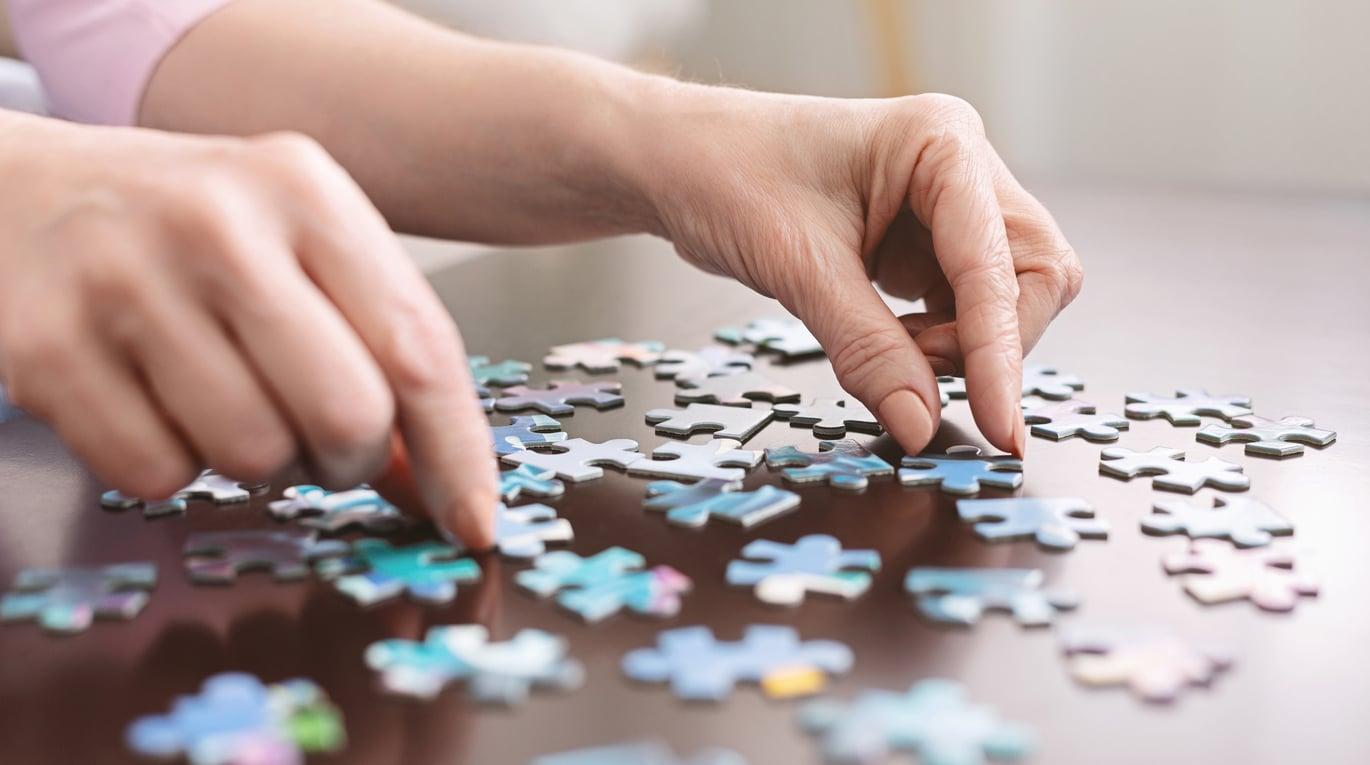
Try something you don't need to be good at: doodle, paint, do a puzzle, pull out a board game. Low-stakes creativity activates the parts of your brain associated with flexibility and pleasure.
Play can also be social. A running inside joke with a friend, a made-up secret handshake with your partner — laughter and connection are among the fastest ways to shift your nervous system out of stress mode.
Even small, simple things count. A walk without your phone or a podcast can be play. Ten minutes of aimless wandering — not counting your steps, just letting your thoughts drift — is enough. Play isn't something you earn once your to-do list is finished. It's what helps you find your way back to yourself, especially if you've spent years being the person who keeps everyone else afloat.