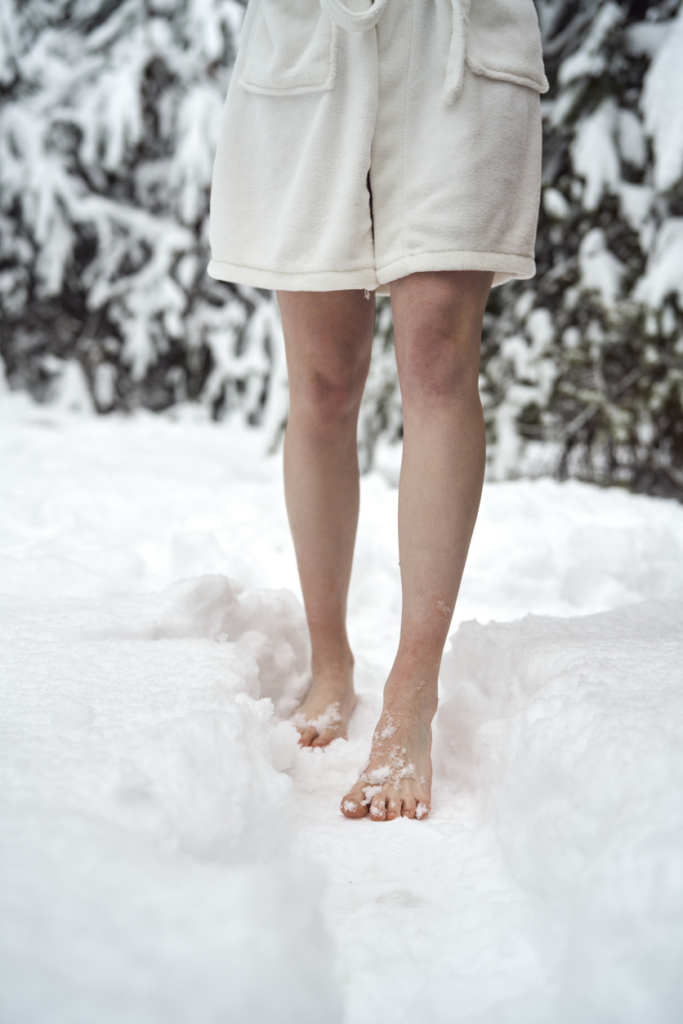
Many have noticed their feet feel cold in chilly weather, but this uncomfortable sensation can even show up in summer. What’s behind this, and how can you take control of the problem?
A Common Issue with Some Unexpected Causes
Circulatory Issues: One of the Most Common Causes
Cold feet often stem from circulation problems. While poor blood flow usually affects older adults, younger people aren’t immune either. When blood doesn’t flow well enough, extremities like your feet can stay cold. Research shows peripheral artery disease can also cause cold feet, especially in smokers and people with diabetes.
Iron and Vitamin Deficiencies
Low iron and vitamin levels can also cause cold feet. Iron deficiency can lead to anemia, which affects oxygen delivery and circulation. A lack of B and C vitamins is especially linked to these issues since they’re essential for better blood flow and maintaining your energy.
Switching to an iron- and vitamin-rich diet can really help ease these symptoms.
Stress and Anxiety: How Mental Health Affects Your Body
Stress and anxiety are closely linked to physical symptoms, including cold feet. When stressed, your body releases hormones that tighten blood vessels, reducing blood flow to your extremities. Studies suggest that stress-relief techniques like meditation and yoga can improve circulation and ease cold feet.
Hormonal Changes in Women’s Lives
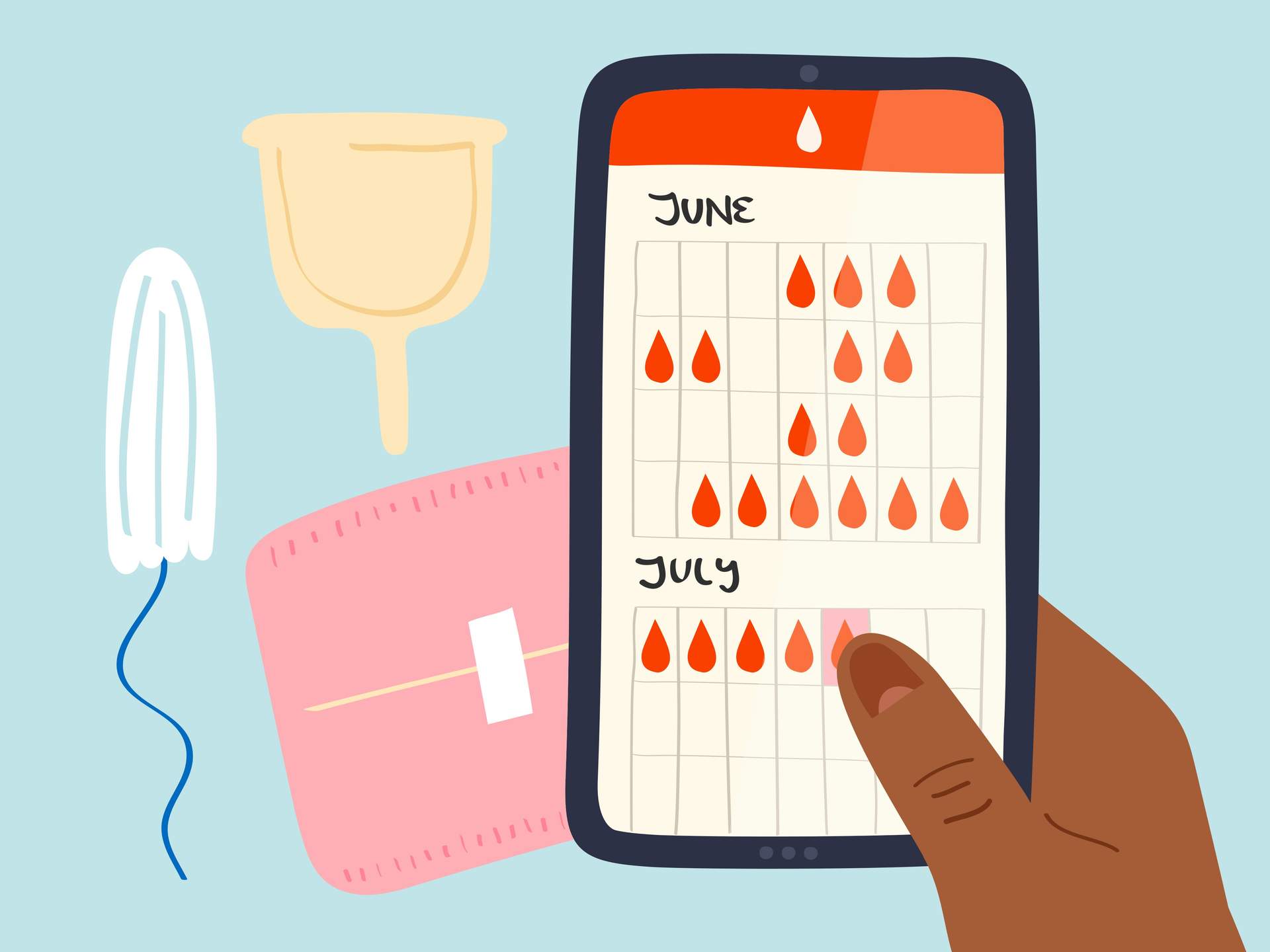
For women, hormonal shifts during menstruation, pregnancy, or menopause can also cause cold feet. These fluctuations affect circulation, and many women report feeling especially cold in their feet during these times. Regular exercise and balanced nutrition can make a big difference.
Choosing the Right Footwear and Clothing
Of course, shoes and clothing play a big role in keeping your feet warm. If your feet tend to get cold, opt for footwear and socks that provide good insulation. Layering is also a smart move during colder months. If these tips don’t help, it’s a good idea to check in with a healthcare professional.
When to See a Doctor
While cold feet can often be managed at home, some signs mean it’s time to get medical advice.
If your cold feet come with chronic pain or numbness, it’s important to see a doctor, as these could signal more serious health issues. This is especially urgent if symptoms appear suddenly and without clear cause.