Sound familiar? Right after the first bites, you feel you’ve had enough… but then there’s a little "okay, just a bit more," a slice of cake, a bite of this or that because "it’s here now," "might as well," or "it fits today." Before you know it, you’re sitting at the table, a bit overstuffed, wondering: why did I even do that?
Holiday overeating shows up for almost everyone in some form, and it’s far less about willpower than you might think. It’s a complex mix where mood, traditions, emotions, and environment all team up to easily override our body’s signals.
The Holiday Is All About Abundance
We live within routines all year long. We eat on a schedule, often rushing, sometimes just ticking off meals between tasks. But holidays bring a completely different rhythm. Suddenly, everything slows down, a beautifully set table awaits, and there’s no need to rush anywhere.
That shift alone is enough to change how we relate to food.
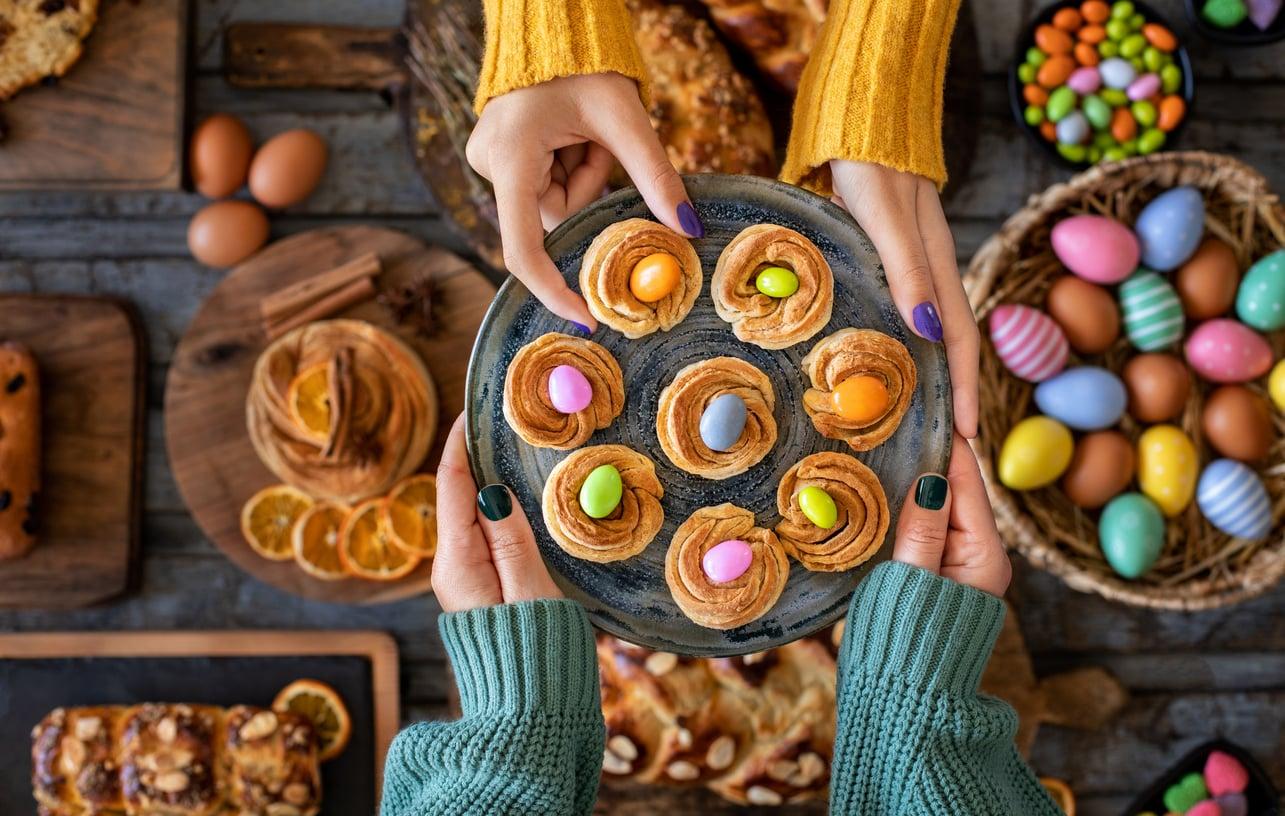
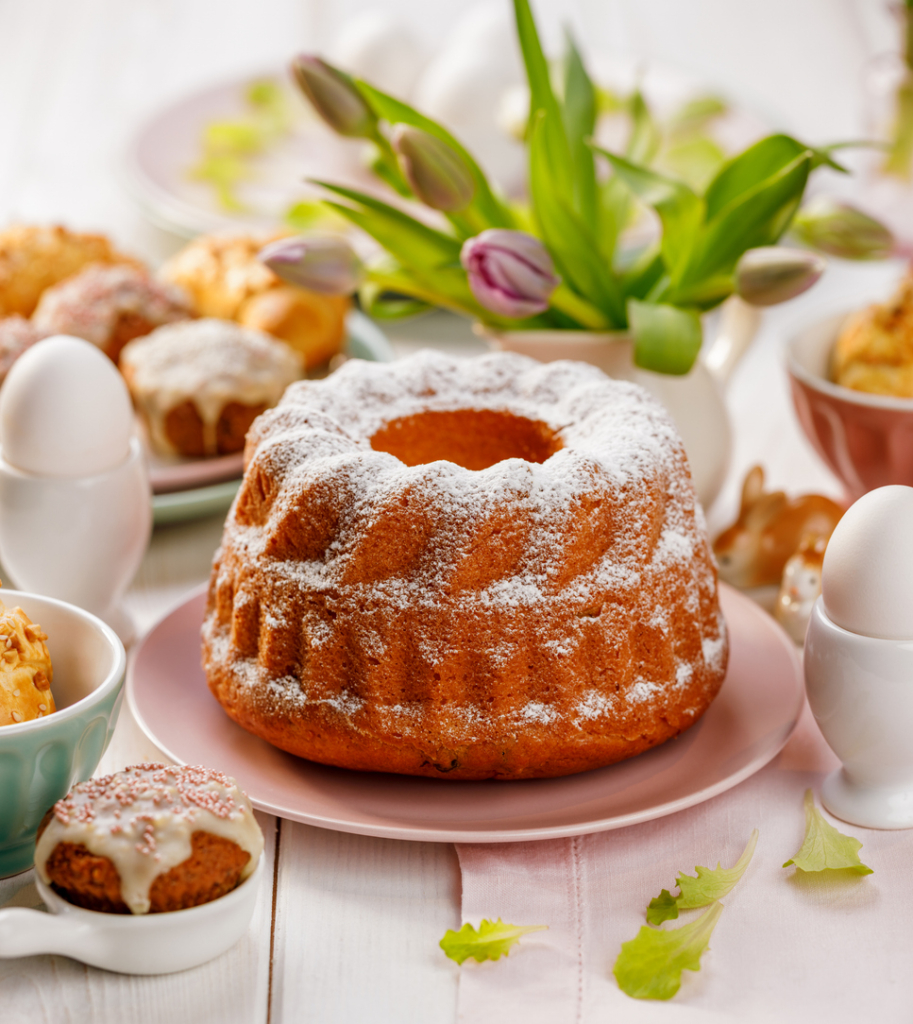
The sight of abundance — multiple dishes, desserts, and repeated offers — sparks the feeling that now is the time to be free. Free to eat more, free to take seconds, free to try everything. And here’s the subtle slip: the “I’m allowing myself” mindset can easily slide into “I’m overdoing it.” Not because we can’t stop, but because the whole environment encourages us to take just a little more.
A festive table isn’t just about food; it’s a visual cue constantly reminding us that “there’s still more.”
It’s Not Hunger Driving Us
One of the most important realizations is that during the holidays, we rarely eat out of true hunger. Instead, the situation guides us.
We eat because we’re eating together, because we’re offered food, because during conversations we automatically reach for another bite. Eating almost becomes a background activity, happening continuously without us fully noticing.
Plus, there’s a strong social aspect. If everyone’s taking seconds, we don’t want to miss out. If someone offers, it’s hard to say no without seeming rude. So often, it’s not our body deciding but the situation. And before we realize it, we’ve passed the point where it still felt good.

Emotions and Memories Eat With Us
Holiday foods aren’t just “food.” They carry stories, memories, and feelings. A cake you’ve known since childhood, a dish always made by the same family member, or a scent that instantly takes you back to a past celebration. These experiences are powerful and often unnoticed influences on how much we eat.
At these moments, we’re not just seeking flavor but the feeling it brings: safety, comfort, nostalgia. And since these feelings can’t fill us up, it’s easy to think we need just one more bite.
In reality, it’s not the food we’re missing but the experience we want to relive again and again.
Then there’s the thought, “It would be a shame to leave it.” A shame not to taste it, not to eat it since it’s rare. This thought almost automatically leads us to the next bite, even when we’re no longer hungry.
When We Stop Paying Attention to Ourselves
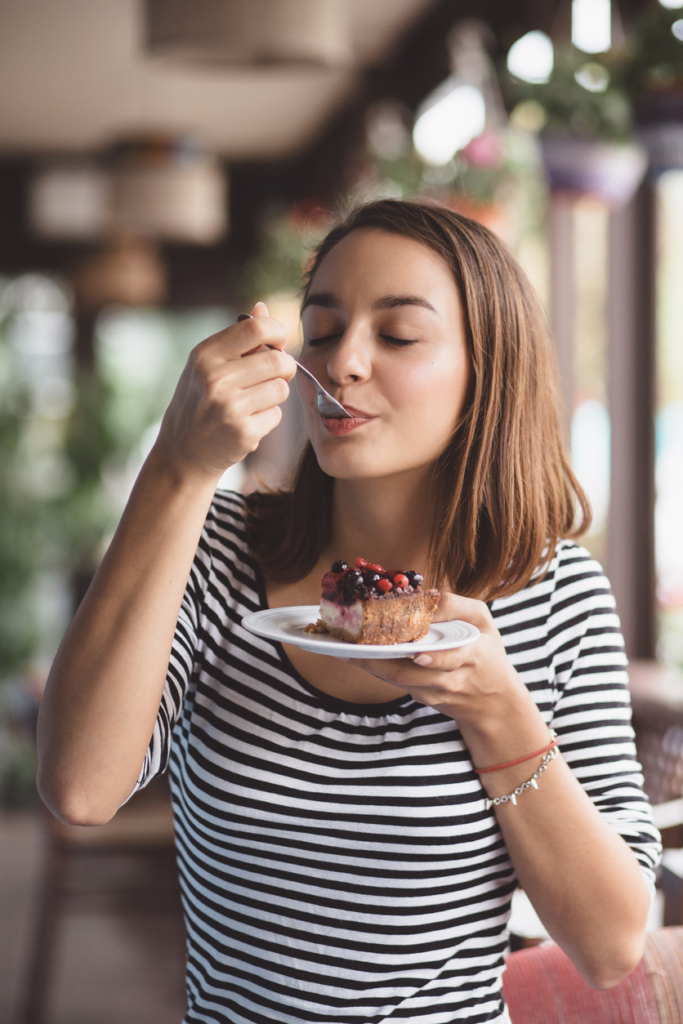
Our bodies actually work really well. They signal when we’re hungry and when we’ve had enough. But during the holidays, so much happens at once that these signals easily get pushed aside. We chat, laugh, focus on others, and almost without noticing, keep eating.
This is the moment when decisions stop being conscious. We don’t eat because we want to, but because we’re caught up in the moment. And that’s totally okay—as long as we recognize it. The goal isn’t perfect control but being a bit more present.
Sometimes, just pausing for a moment and asking a simple question is enough: does this still feel good? No need to give anything up or set “rules.” Just noticing where we are is enough. Because the holiday isn’t better based on how much we ate but on how deeply we experienced it.
And maybe that’s the key. It’s not about the amount of food but the quality of the experience. Keeping this in mind makes it easier to find that sweet spot where we enjoy the holiday without feeling like we went too far.