I'm not religious. I don’t attend church, I don’t pray before bed, and if asked, I wouldn’t even call myself spiritual. Yet, to be completely honest, I do believe in something. I believe there are greater forces, connections, and laws beyond us—even if they have no name, face, or clearly defined teachings.
My belief lives somewhere at the edge of scientific mystery. It’s the space where we realize how much we don’t know. We don’t fully understand what consciousness is, what happens after death, or how two people’s presence, energy, love, or even harm affect each other. And in this unknown, I don’t see fear—I see an invitation to believe.
For example, I believe our energy doesn’t just vanish without a trace. The love we receive carries on. Maybe not through cosmic flashes or mystical signs, but in everyday ways: a sentence, a gesture, a pattern of upbringing. I believe those treated with love are more likely to treat others with love. And in this way—like an invisible chain—we remain in the world even when we’re no longer physically here.

That’s why the idea of faith isn’t foreign to me either. I understand those who find support in a specific belief system. In an uncertain, often chaotic world, it’s completely human to crave order, a framework, and answers to “why is this happening to me?” I also respect those who use religious teachings as a moral compass and genuinely want to become better people through them.
Faith—in itself—is not weakness, but a source of strength.
But I Can’t Believe in Churches the Same Way
Not because every church member is bad or because sincere, helpful communities don’t exist. But because religious institutions offer too many opportunities for abuse of power. When an organization claims to be the exclusive messenger of a “higher truth,” the line between spiritual guidance and manipulation becomes razor-thin. History—and sadly, the present—are full of examples where faith becomes a tool for control, fear, and exploitation.
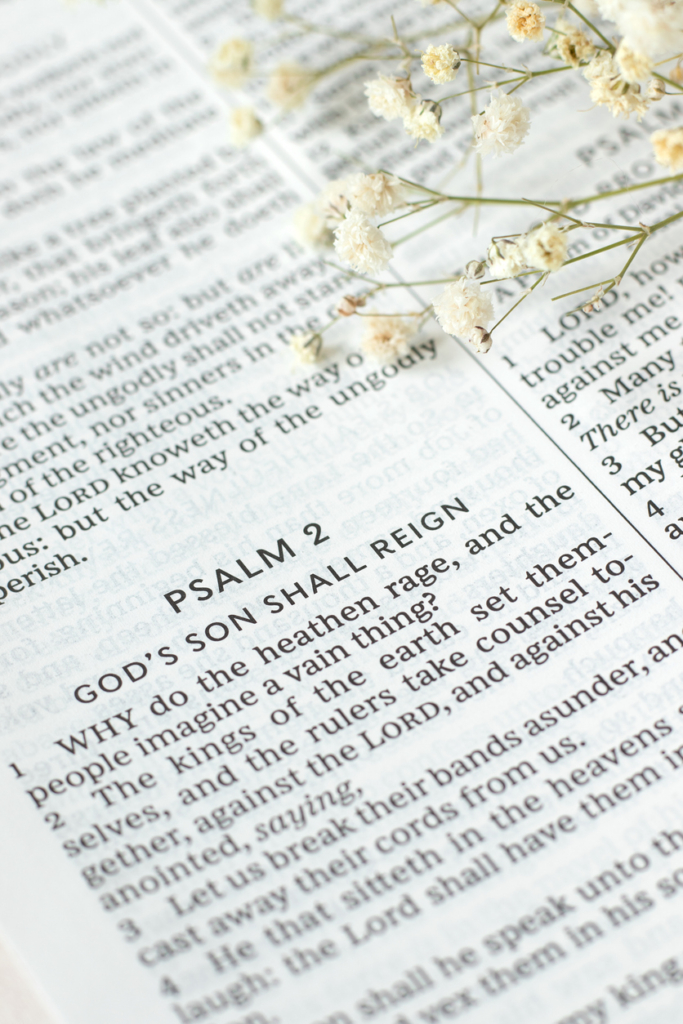
Another issue is that organized religion often distracts from personal responsibility. From the inner work no one else can do for us. It’s easier to follow rules, hide behind dogmas, and appeal to external authority than to face our own shadows, mistakes, and growth challenges. Yet, if faith has a true essence, I believe it’s exactly this:
self-awareness, compassion, and ongoing inner work don’t end just because I went to church on Sunday and checked off my responsibilities.
That said, I want to be clear: I’m not here to judge. Churches can play important social roles, offer community, support, and help. I respect those who find safety and earthly meaning within a denomination.
But I look for my faith elsewhere. Not in institutions, hierarchies, or dogmas. In kindness. In the idea that love—whatever name we give it—is powerful enough on its own to carry us forward. Guidance might help, but a church—and maybe even religion—isn’t an absolute necessity.