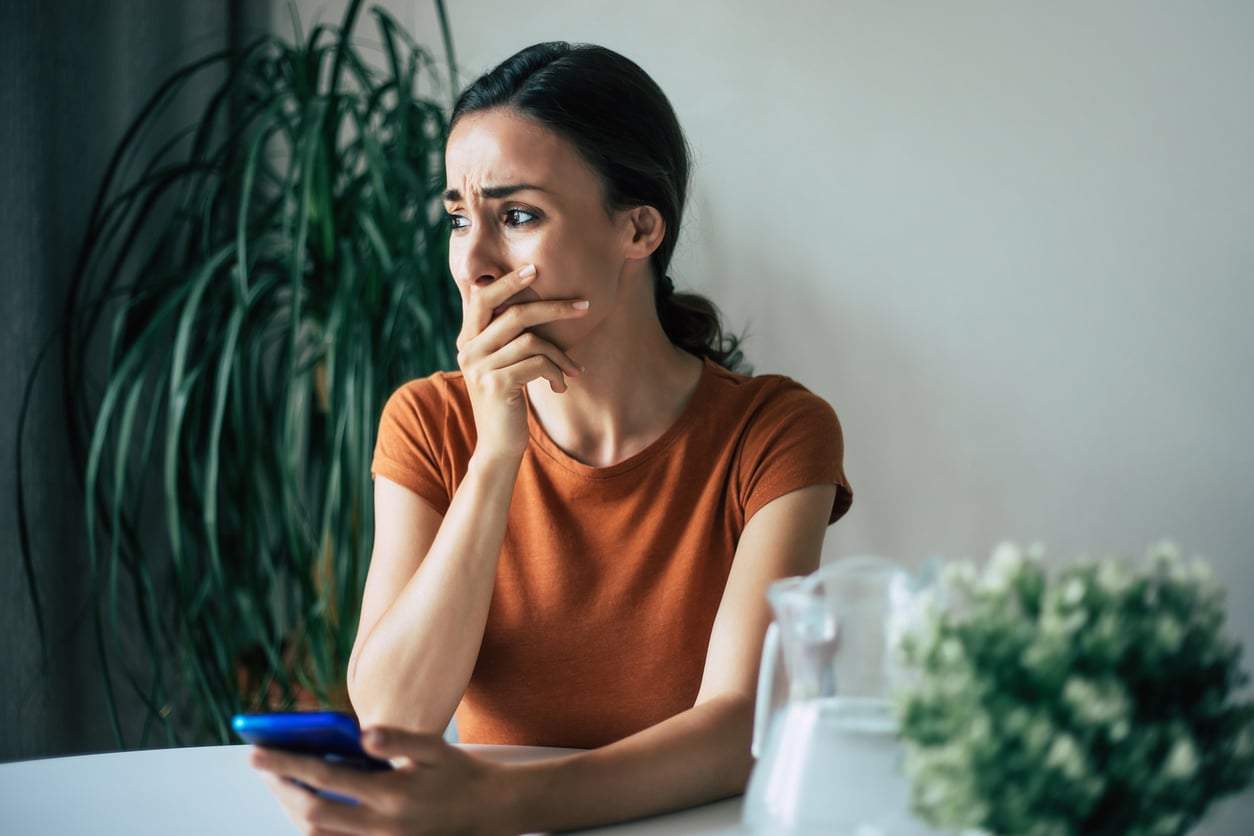
If you’ve ever tried to love someone who can’t accept themselves, you already know how challenging and painful that relationship can be. A lack of self-love often feels like an invisible wall that keeps the other person from fully opening up and receiving the love you offer.
In such relationships, it’s easy to feel powerless. No matter how much love you show, the other person often can’t sense or return it. Low self-esteem often leads to self-pity and a negative self-image that seeps into everyday life, making it hard to experience love as equals.
Rejection of Love and Distrust
People struggling with low confidence often feel unworthy of love and worry others will notice their flaws. This inner doubt can lead to constant rejection. Even if a relationship starts well, lacking self-love can slowly erode its foundation.
The distrust they feel toward themselves can undermine the whole relationship’s authenticity. Constantly wondering "Does the other person really love me?" or "What would they think if they truly knew me?" acts like poison, seeping into every corner of the connection. The result? One or both partners feel they’re never good enough, loved enough, or accepted enough.
Handling Emotional Burdens
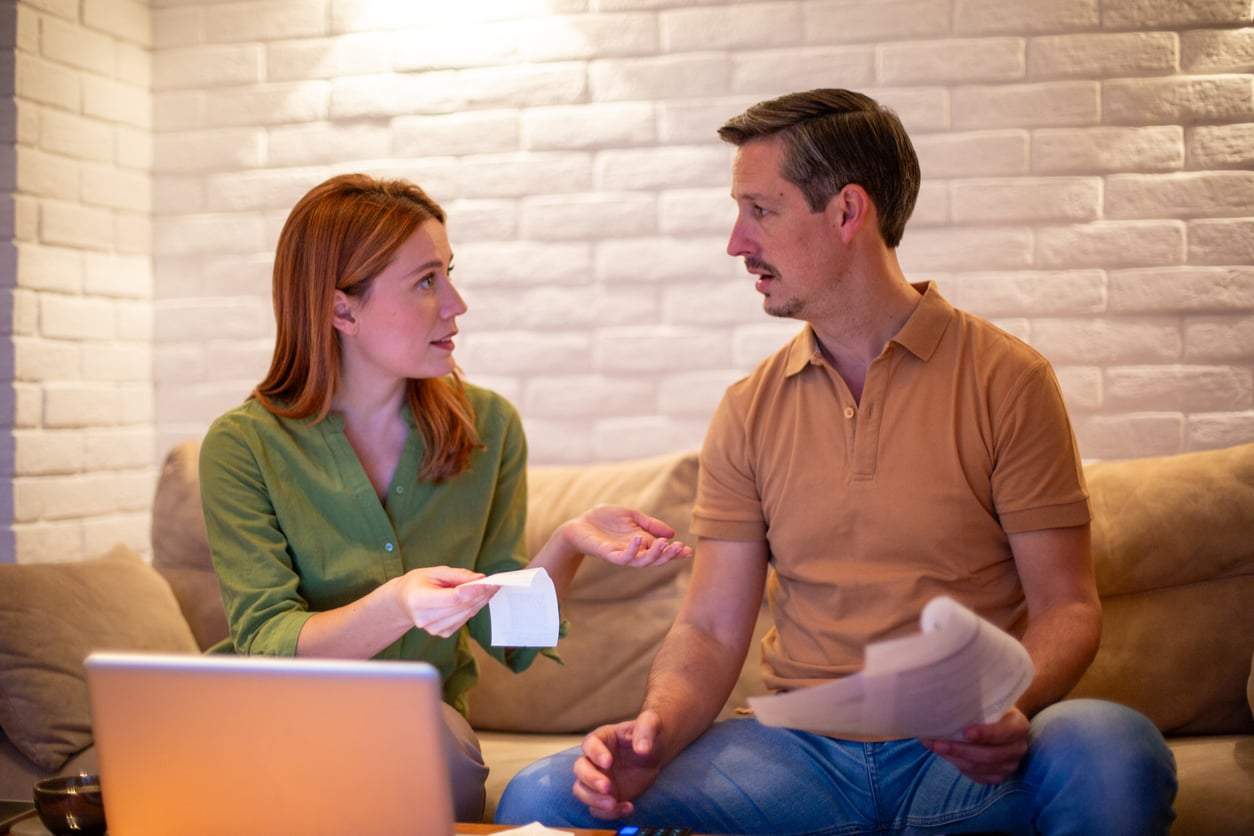
When someone doesn’t love themselves, they might unintentionally place the weight of their emotional struggles on their partner. The person who feels unloved often ends up trying to fix the other’s self-image gaps—tasks that aren’t really theirs to bear. Thoughts like "If I loved them more, maybe they’d change" or "If I were enough, maybe they’d accept themselves" only add to this heavy emotional load.
In this dynamic, the relationship feels less like mutual support and more like assigned roles—one as the helper, the other as the one needing help. It’s crucial to realize that self-love can’t be filled from outside sources; it requires inner work.
The Path to Self-Acceptance
Self-love and self-worth aren’t quick fixes but long journeys that demand self-awareness, acceptance, and patience. A relationship can support this growth, but personal development is ultimately each person’s responsibility.
Experts suggest starting by recognizing and understanding patterns that cause low self-esteem, whether rooted in family dynamics or societal expectations. Through self-knowledge and psychological support, a more balanced and fulfilling state becomes achievable.
Finding Peace and Moving Forward
Respecting your own boundaries is essential when navigating this situation. Sometimes the only solution is realizing that the lack of self-love must be addressed individually—not through the relationship. Lasting happiness often comes when you allow the other person to work on their self-love while you maintain your own emotional balance.
It takes courage, patience, and persistence to accept that loving someone who doesn’t love themselves is a challenge requiring deep commitment from both sides. The most important thing? Don’t lose yourself along the way.