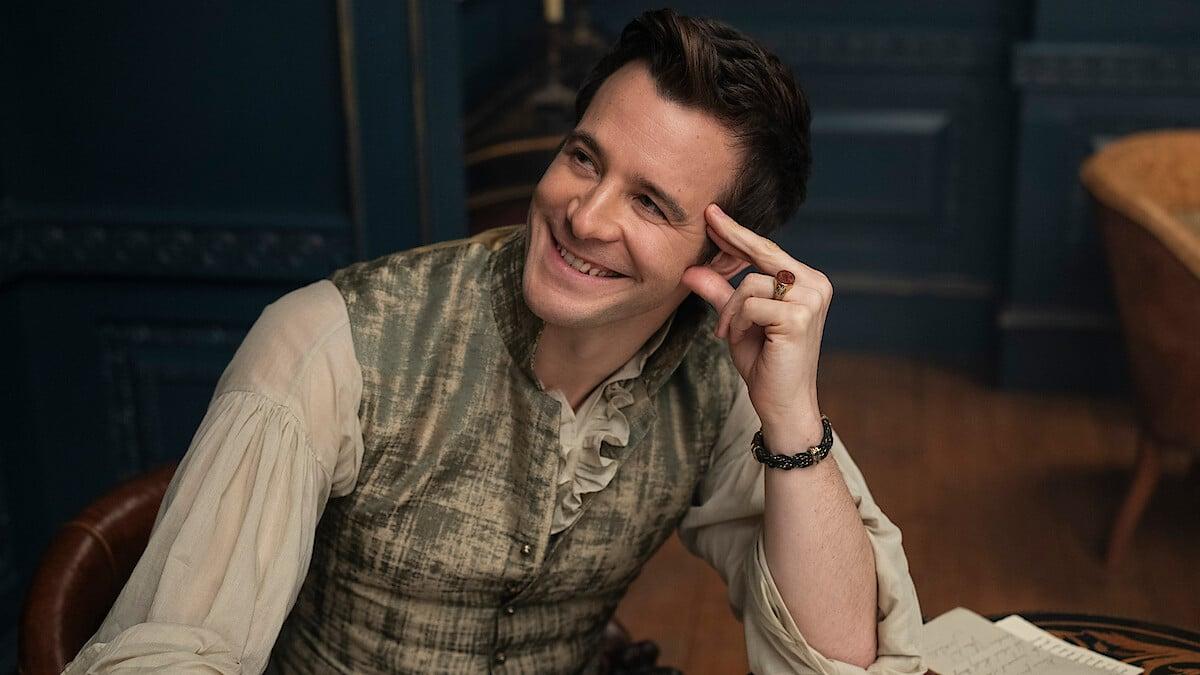
He doesn't dominate the room. He doesn't make grand declarations. He watches, he remembers, he feels — deeply, quietly, and often without saying a word. The "Yearning Man" has become one of the most talked-about archetypes in pop culture, and women everywhere are noticing.
What started in romance novels and streaming series has spilled over into social media, where this type of man — emotionally intense, internally conflicted, and utterly devoted — is drawing more admiration than any confident alpha ever could.
The rise of the Yearning Man — when feeling replaces conquering
The roots of this phenomenon run through the books, shows, and online communities that have quietly reshaped what "attractive" means. Characters like Xaden from Fourth Wing, Heathcliff from Wuthering Heights, and Conrad Fisher from The Summer I Turned Pretty all share a recognizable DNA.
These men are not big talkers. Instead, they are:
- attentive to the smallest details
- wrestling with deep internal conflicts
- capable of intense emotion — often held just beneath the surface
- emotionally centered around one person, completely and without reservation
For the Yearning Man, longing is not a weakness. It is who he is.
After the era of the "performative man"
Not long ago, social media was obsessed with a very different type: the "performative man" — the one who aesthetically sips his coffee, reads feminist literature on camera, and carefully curates his sensitivity for an audience.
The Yearning Man is the opposite of that. He doesn't perform emotional depth. He lives it. There's no image to manage, no audience to impress — just a quiet, persistent attachment that he carries within him.
For many women, that distinction feels liberating. Authenticity has become more compelling than any polished act of sensitivity ever could be.
Benedict Bridgerton and the return of the romantic male ideal
Streaming platforms have played a significant role in amplifying this shift. In the world of Bridgerton, Benedict Bridgerton has emerged as a near-perfect embodiment of this ideal — artistic, emotionally open, and quietly yearning in a way that feels genuine rather than performed.
Characters like Benedict don't dominate their stories through power or conquest. They draw you in through emotional complexity. The question isn't how they win someone over — it's how they experience longing, loss, and connection on the deepest level.
It's a romantic fantasy, yes — but one that taps into something many people genuinely crave.
Why is romantic longing so appealing right now?
The cultural moment matters here. In the age of digital dating — swipe decisions, "good enough" situationships, and emotional unavailability as a default — slow, deep emotional presence feels almost radical.
Interest in romance, according to Google Trends data, has grown noticeably in recent years. That signals something real: a widespread hunger for connection that goes beyond surface impressions and instant gratification.
When everything moves fast, a man who lingers — emotionally, devotedly — becomes the most striking thing in the room.
When romance becomes a social mirror
The popularity of the Yearning Man isn't just an aesthetic preference. Many see it as an emotional and social reaction to the pressures of modern masculinity.
A lot of young men today feel uncertain in relationships — unsure if they're enough, unsure if they'll be chosen. That inner tension is exactly what these fictional characters embody: longing as something simultaneously romantic and painful.
The yearning these characters carry reflects a real emotional landscape — one where vulnerability is present but rarely spoken aloud.
That resonance is part of why they feel so compelling. They mirror something true.
The darker side of longing
Romantic idealization has its shadows, though. In literature and on screen, intense devotion frequently tips into something tragic or even toxic — Heathcliff is the obvious example, where obsession consumes everything it touches.
In real life, a man who only yearns — but never truly shows up — creates an exhausting dynamic. Emotional unavailability dressed up as brooding depth isn't romance. It's distance. And distance, no matter how poetic it looks, doesn't build a relationship.
Toward a new balance — not just feeling, but being present
The real takeaway from the Yearning Man phenomenon may not be about finding the "right" male ideal. It may be that what women find attractive has become far more nuanced.
Today, an appealing man isn't just strong or confident. He is someone who:
- can genuinely feel
- can express those feelings without performing them
- isn't afraid of vulnerability
But in real relationships, longing alone isn't enough. Emotional presence, action, and reciprocity are what actually create something lasting — not just the ache of wanting.
A new era of romance
The rise of the Yearning Man and characters like him tells us something important: romance hasn't disappeared — it has simply evolved. Grand gestures matter less than they used to. What draws people in now is quieter, slower, and more emotionally honest.
In a world of noise and performance, the man who feels deeply and says little has become, somehow, the most magnetic person in the story.