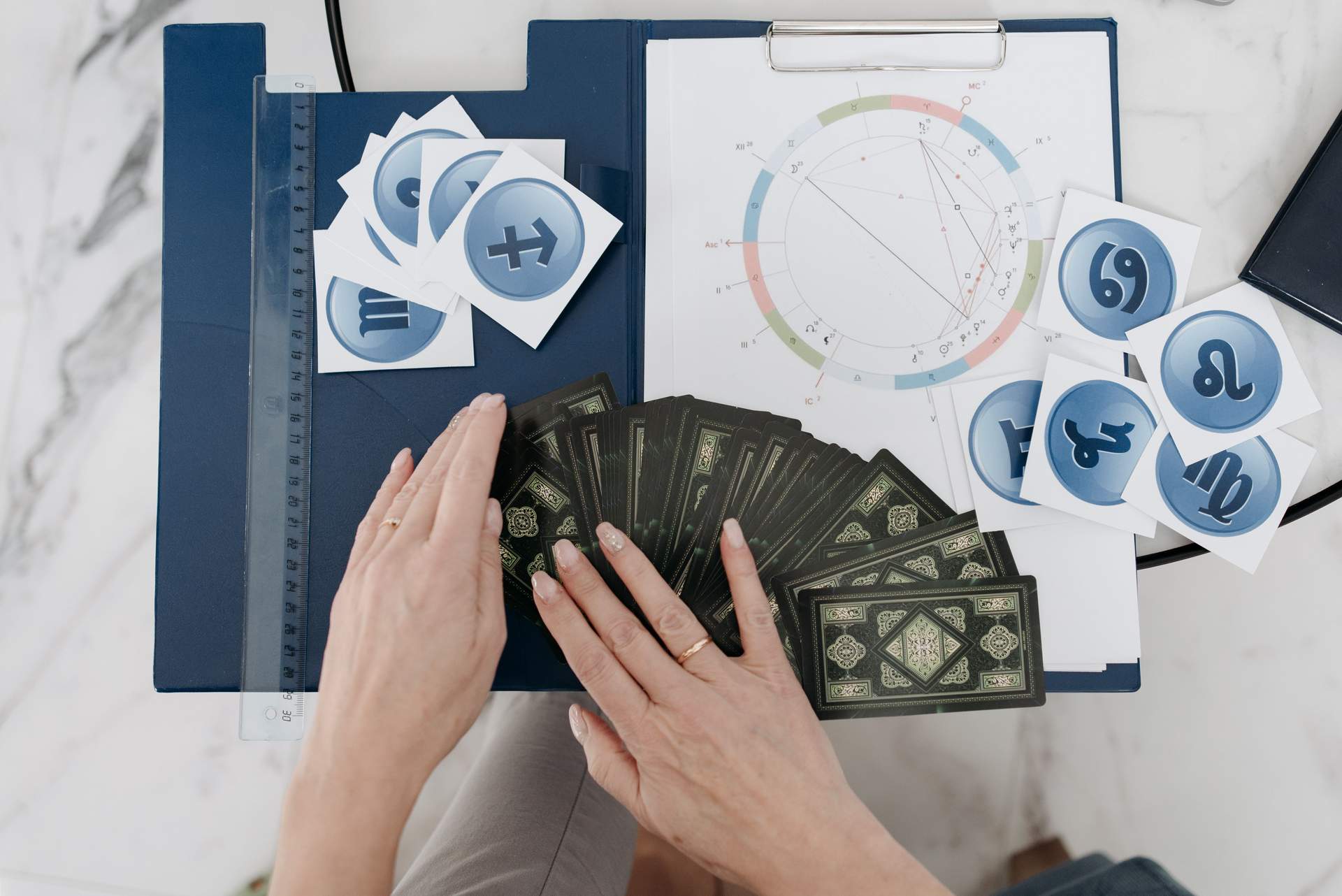
You read your horoscope, and it just… doesn't click. It feels like a description of a stranger — someone who shares your birthday but not your life. Sound familiar? You're not alone, and you're not wrong. The problem isn't astrology itself. It's that most people are only looking at one tiny piece of the picture.
It's not just about your Sun sign
When someone asks "what's your sign?", they're really asking about your Sun sign — the zodiac position of the Sun on the day you were born. And yes, astrology gives it a lot of attention. But in reality, your Sun sign is just one thread in a much more complex weave.
Two other placements matter just as much, if not more: your Rising sign (also called the Ascendant) and your Moon sign.
Your Rising sign is determined by which zodiac sign was on the eastern horizon at the exact moment you were born. It shapes how you come across to other people — your instinctive first impressions, your social mask, the energy you project before anyone really knows you.
Your Moon sign goes deeper. It reflects your emotional inner world — how you process feelings, what makes you feel safe, and what you truly need to feel content over the long term. If your Sun sign describes who you are in the spotlight, your Moon sign describes who you are at 2am when no one's watching.
The planets in your birth chart each tell their own story
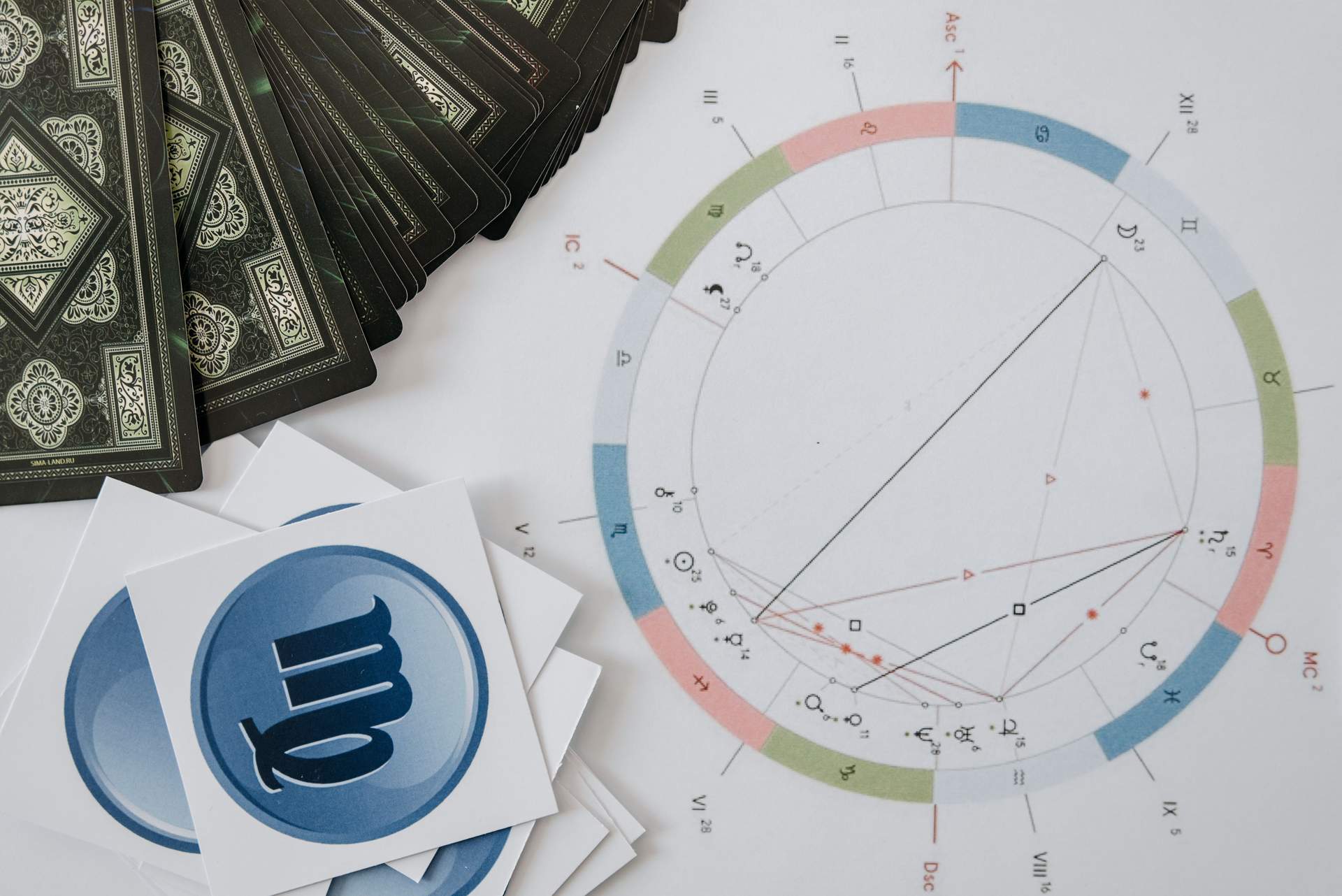
Beyond the Sun, Moon, and Rising, every planet in your birth chart sits in a specific sign and house — and each one adds a layer of nuance to who you are.
Take Mercury, the planet of communication and thought. If your Mercury falls in Gemini, you likely think fast, speak easily, and love exchanging ideas. But if Mercury sits in an earth sign like Taurus or Virgo, your communication style is more deliberate — careful, thorough, and detail-oriented.
These distinctions explain why two people born on the same day can feel so different from each other, and why a generic Sun-sign horoscope so often misses the mark. Your chart is a fingerprint. No two are exactly alike.
Slow-moving planets shape the bigger chapters of your life
There's another layer that daily horoscopes almost never address: planetary transits. These are the ongoing movements of planets through the sky as they interact with the positions in your birth chart.
The slower planets — Jupiter, Saturn, Uranus, Neptune, and Pluto — move so gradually that their influence unfolds over months or even years. These aren't quick mood shifts. They're the forces behind major life transitions: career pivots, relationship turning points, deep personal reinvention.
When Saturn crosses a sensitive point in your chart, for example, it tends to bring structure, pressure, and long-term lessons. When Jupiter does the same, it often opens doors. Understanding these cycles can help you make sense of why certain periods of your life felt so transformative — even when nothing in your daily horoscope seemed to explain it.
What astrology can actually do for self-understanding
Many people find that once they go beyond the Sun sign and explore their full birth chart, astrology starts to feel genuinely personal rather than generic. Patterns that seemed random suddenly make sense. Recurring emotional reactions, relationship dynamics, career pulls — they all start to connect.
Working with an experienced astrologer — or simply diving deeper into your own chart — can illuminate your strengths, blind spots, and core motivations in ways that feel surprisingly accurate.
It's not about fate or prediction. It's about self-knowledge. And the more layers you explore, the more useful the tool becomes.