Many see fairy tales as just fun stories, but their true depth and impact run much deeper. These tales didn’t just entertain us as kids—they touched our unconscious minds on a profound level. Let’s explore ten iconic fairy tales, especially popular in Hungary during the ’80s, ’90s, and 2000s, to uncover the emotional meanings they carry. The world of fairy tales is rich with symbols and messages that help us understand how our inner world works.
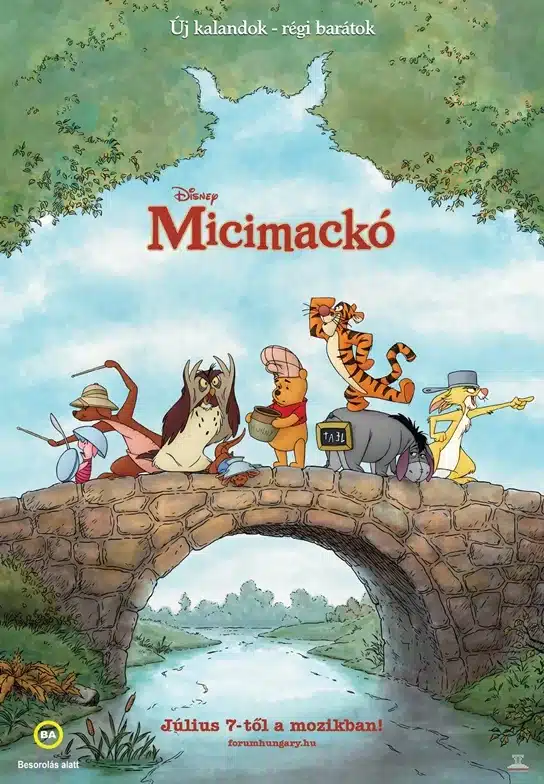
1. Winnie the Pooh
What draws the child?
Winnie the Pooh’s simple charm and the comforting friendships bring kids close to joyful carefree moments. The little adventures around the honey pot and the lovable characters—Piglet, Eeyore, Rabbit—promise a world that’s safe and predictable. Kids easily lose themselves in the simple joy of “finding a treat today” and the peacefulness of the Hundred Acre Wood.
What does this say about their adult personality?
Adults who loved Winnie the Pooh as kids tend to be peaceful, empathetic, and community-oriented. They value harmony and loyalty, quickly noticing when someone needs help and stepping in willingly. However, they might prefer staying in their comfort zone—retreating to their “honey pot” of safety when the outside world feels uncertain. They’re patient and calm but benefit from consciously seeking new experiences.
2. Peter Pan
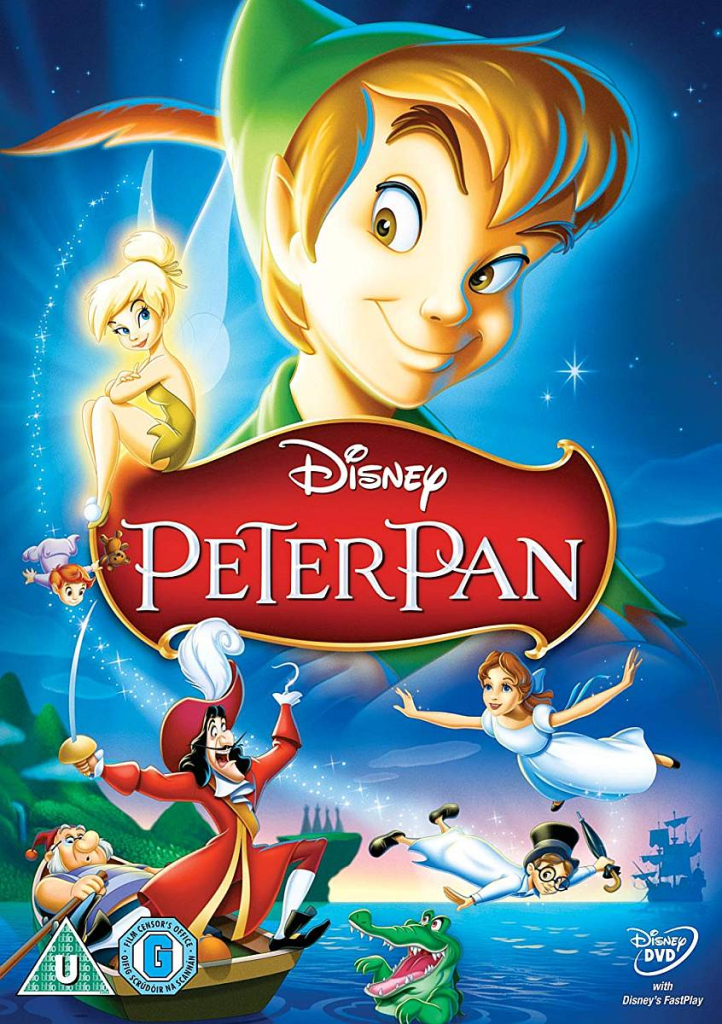
What draws the child?
The endless adventure and carefree play in Neverland captivate kids: it promises unlimited possibilities, where every day holds a new prank or flying stunt. Children experience the thrill of freedom without real-world limits, hoping they’ll never have to go to school or face sadness.
What does this say about their adult personality?
Adults who chose Peter Pan often seek spontaneity and creative bursts in daily life. They’re flexible and playful, easily excited by new projects but struggle with boring routines. They may procrastinate on serious decisions, with their inner child whispering, “You can do it later.” It’s important for them to set clear boundaries and embrace a responsible yet creative adult role.
3. Cinderella
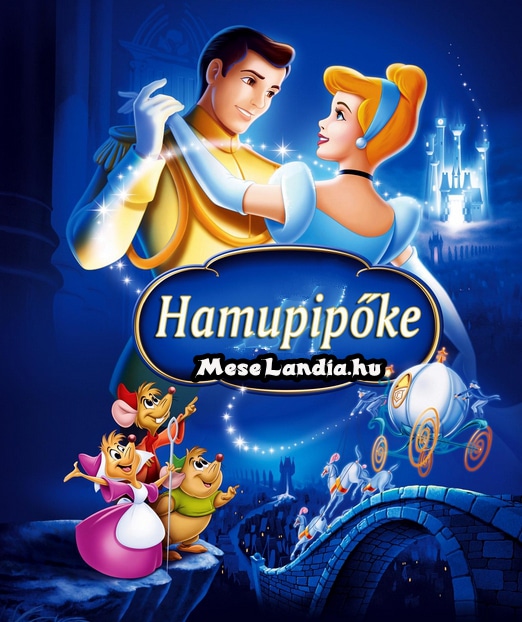
What draws the child?
Cinderella’s enduring kindness and the promise of a happy ending captivate children: the story shows true friendship and inner purity shining through injustice and hardship. The magical ball and dance inspire dreams that good behavior and inner strength will be rewarded.
What does this say about their adult personality?
Adults who loved Cinderella likely persevere through challenges and value self-esteem during crises. Guided by a strong moral compass, they believe kindness eventually gets recognized—even if not immediately. They may take on too much for others and need to learn healthy self-assertion to both give and receive.
4. Aladdin
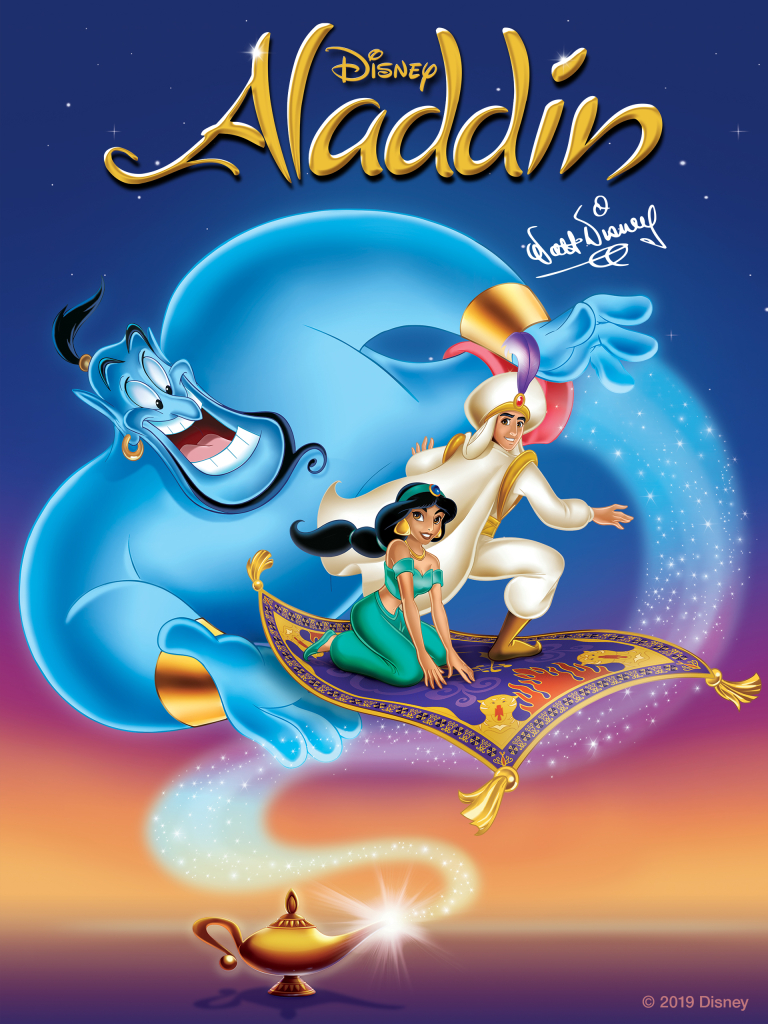
What draws the child?
The magic lamp and endless possibilities enchant children: the genie’s wishes promise excitement and boundless freedom. The tale sparks imagination, encouraging kids to believe they can achieve anything if they dare to ask.
What does this say about their adult personality?
Adults who favor Aladdin tend to be creative and ambitious, unafraid to set big goals. They need to learn to recognize real limits and handle their opportunities responsibly. They might crave quick success but thrive when they understand lasting change requires awareness and persistence.
5. The Little Mermaid
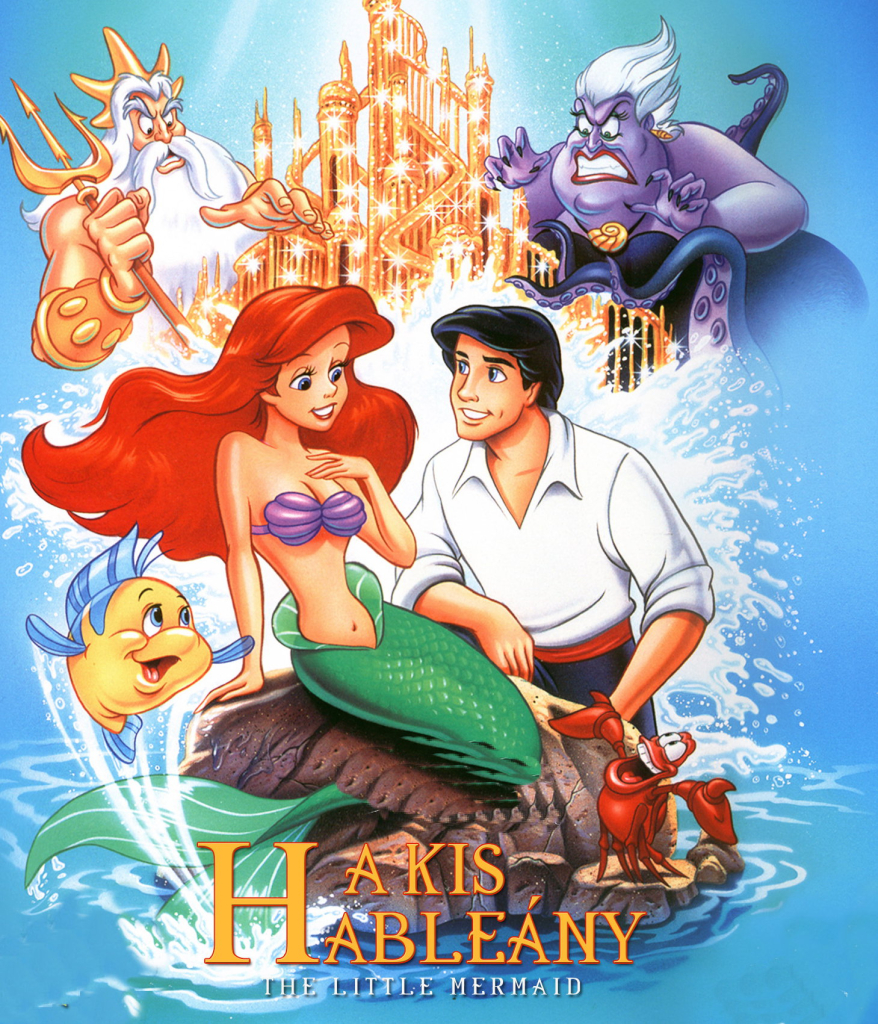
What draws the child?
The story of crossing from an underwater wonderland to the human world offers an exciting adventure: kids experience the magic of crossing boundaries and the chance to explore new identities. Ariel’s courage inspires curiosity and trying new roles.
What does this say about their adult personality?
Adults who loved The Little Mermaid often have a strong drive for self-discovery and life renewal. They’re open to new experiences and willing to take risks for personal growth. Still, they need to consciously weigh the sacrifices they make and protect their values during change. They often decide emotionally, so balancing intuition with rational thinking is key.
6. Snow White
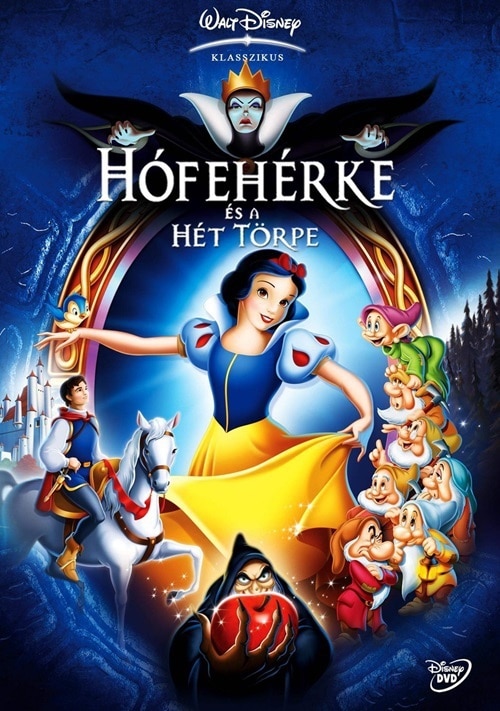
What draws the child?
The blend of outer and inner beauty, preserving innocence, and the caring community of the seven dwarfs offer safety and hope. Kids easily sense the sharp contrast between pure good and evil and believe innocence will ultimately triumph.
What does this say about their adult personality?
Adults who favored Snow White often focus on outer harmony and building relationships. They value true qualities and are cautious about first impressions. They may tend to meet others’ expectations over their own needs, so practicing self-assertion and setting healthy boundaries is important.
7. The Lion King
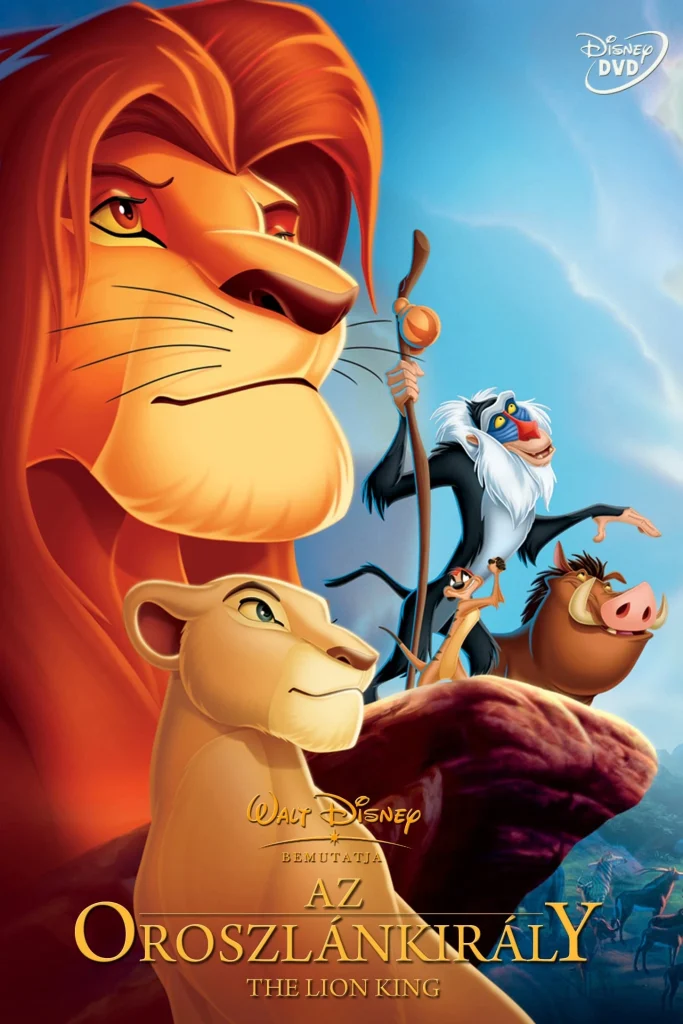
What draws the child?
Simba’s story of courage, discovering the hero’s journey, and the importance of family ties excites kids: they experience adventure and see how community and tradition shape a person. The balance between the wild’s thrill and home’s safety creates an emotional rollercoaster.
What does this say about their adult personality?
Adults who love The Lion King usually have strong responsibility and leadership ambitions. They know when to step back and when to return to their duties. However, if they avoid challenges too long, they might get stuck emotionally. With self-awareness and support, they find inner strength to face past shadows.
8. Beauty and the Beast
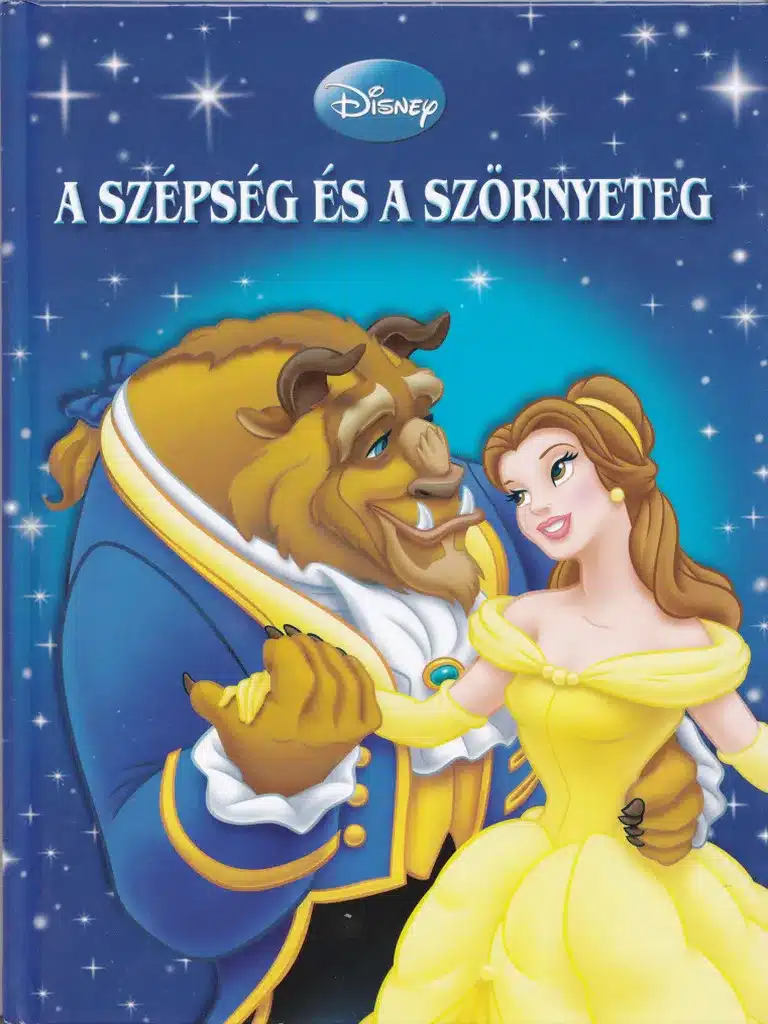
What draws the child?
The castle’s mystery, magic, and the power of love captivate children: the story shows how love can break down the deepest barriers, and the human story behind the magic resonates. The hidden kindness of the Beast and Belle’s warmth feel both thrilling and comforting.
What does this say about their adult personality?
Adults who chose this tale deeply believe in unconditional acceptance and the transformative power of complex human nature. They can see good qualities even in those others might reject. Still, they need to avoid falling into a victim role or letting others exploit their kindness. Setting healthy boundaries is crucial.
9. The Jungle Book
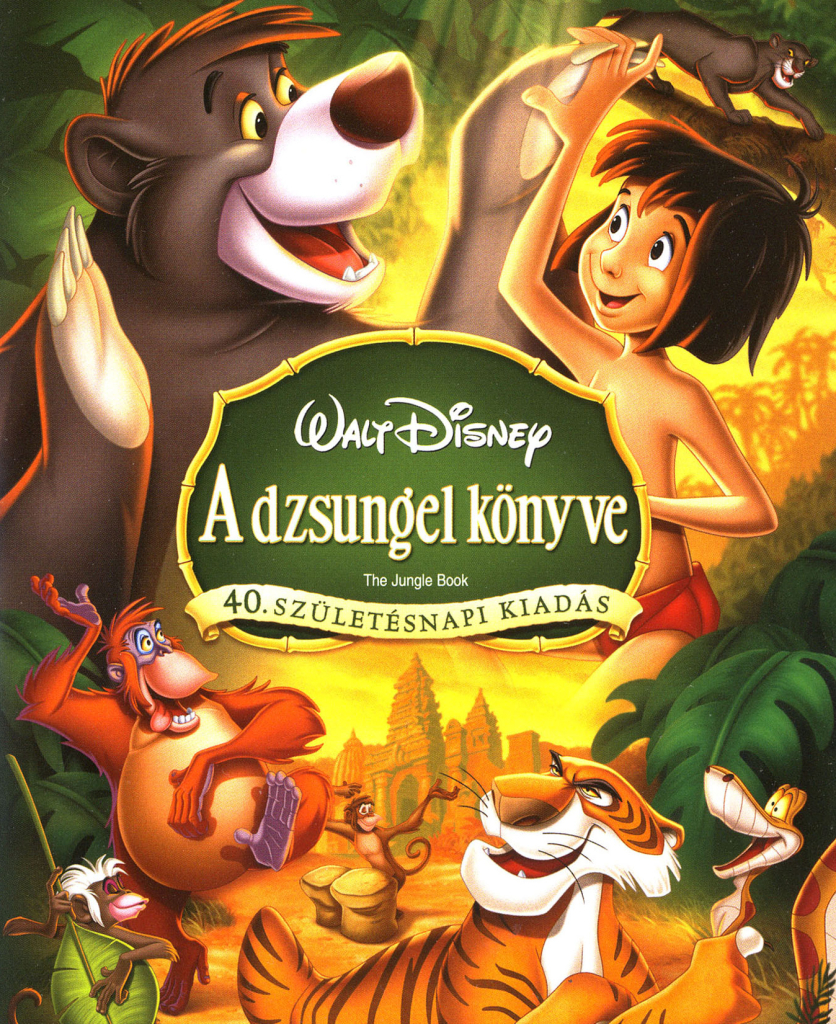
What draws the child?
Mowgli’s friendship with animals, discovering the laws of the wild, and survival lessons excite kids: they learn courage and loyalty while marveling at nature’s power.
What does this say about their adult personality?
Adults who pick this story often crave freedom and harmony with nature. They handle challenges independently and value loyal friendships but may sometimes retreat into solitude. Balancing self-awareness and relationships helps them find inner peace.
10. Little Red Riding Hood
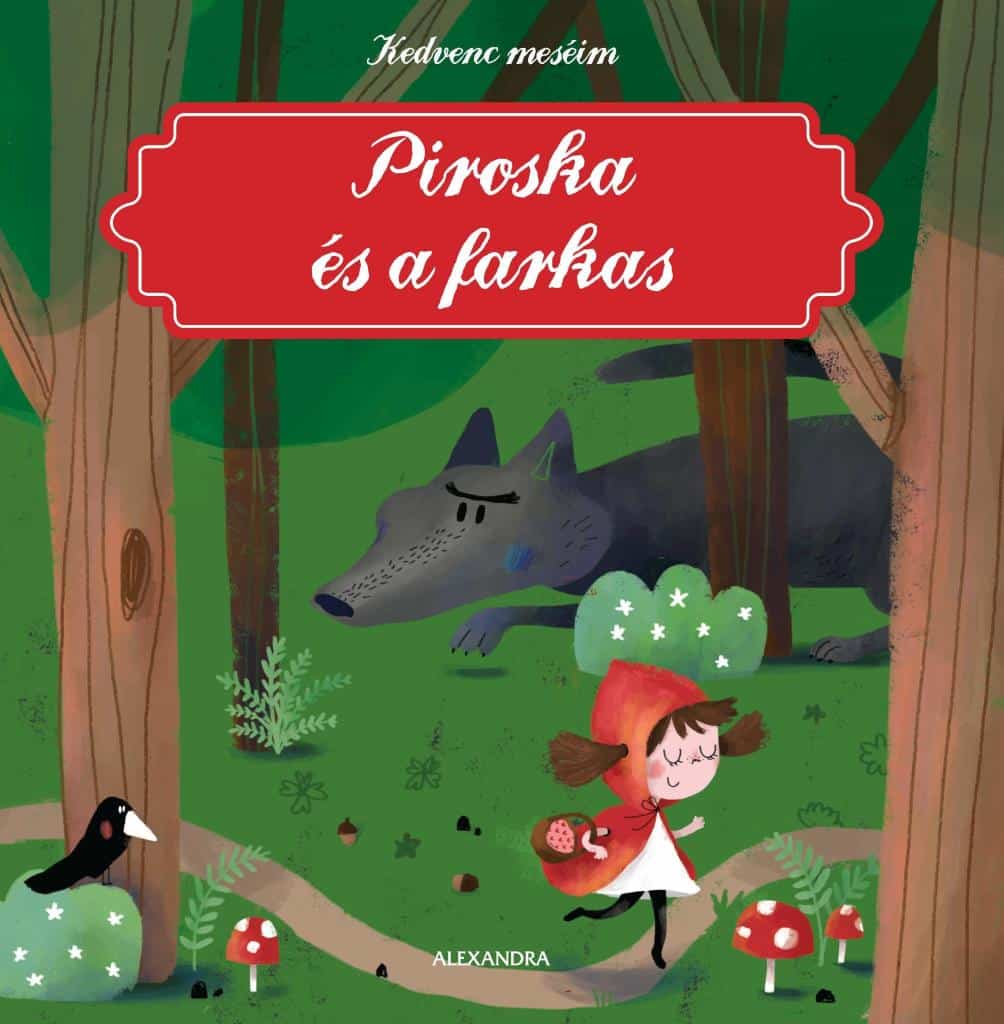
What draws the child?
The forest’s mysterious dangers and the lesson of naivety keep children intrigued: the story balances curiosity and risk, showing how one wrong choice can have big consequences.
What does this say about their adult personality?
Adults who loved Little Red Riding Hood tend to be very mindful and alert. They carefully weigh options and avoid excessive naivety. Sometimes, they might be overly cautious and slow to trust new people. Learning to balance openness with caution helps them embrace new experiences without unnecessary risk.