About 20–25% of Hungary’s population could be dealing with insulin resistance, which means 2 to 2.5 million people across the country. Making lifestyle changes motivates many to seek new solutions, especially when facing health challenges. For many, an insulin resistance diagnosis is a wake-up call that highlights the importance of lifestyle adjustments.
Changing your diet in this situation is essential, but it doesn’t have to mean giving up flavor or variety. The foods we choose can be both tasty and diverse because healthy eating is about smart choices, not restrictions.
Pumpkin Soup with Coconut Milk
This pumpkin soup with coconut milk isn’t just delicious—it’s packed with vitamins and minerals. Pumpkin has a low glycemic index, making it a perfect pick for insulin resistance. Coconut milk adds a creamy texture and a unique flavor twist.
Ingredients: 1 medium pumpkin, 400 ml coconut milk, 1 onion, 2 garlic cloves, salt, pepper, nutmeg, 1 tablespoon olive oil.
Preparation: Peel and cube the pumpkin. Sauté the onion and garlic in olive oil, then add the pumpkin. Pour in enough water to cover and cook until soft. Blend with a hand blender, stir in the coconut milk, and season with salt, pepper, and nutmeg. Simmer for a few minutes, then serve.
Quinoa Salad with Pomegranate and Feta
A flavorful and nourishing salad loaded with antioxidants and vitamins. Quinoa is an excellent plant-based protein source and has a low glycemic index.
Ingredients: 200 g quinoa, seeds from 1 pomegranate, 100 g feta cheese, 1 cucumber, 1 bell pepper, juice of 1 lemon, 2 tablespoons olive oil, salt, pepper.
Preparation: Rinse the quinoa and cook it in lightly salted water. While it cools, dice the cucumber and bell pepper, and cut the feta into pieces. Mix the quinoa with the veggies and pomegranate seeds. Drizzle lemon juice and olive oil on top, then season with salt and pepper to taste.
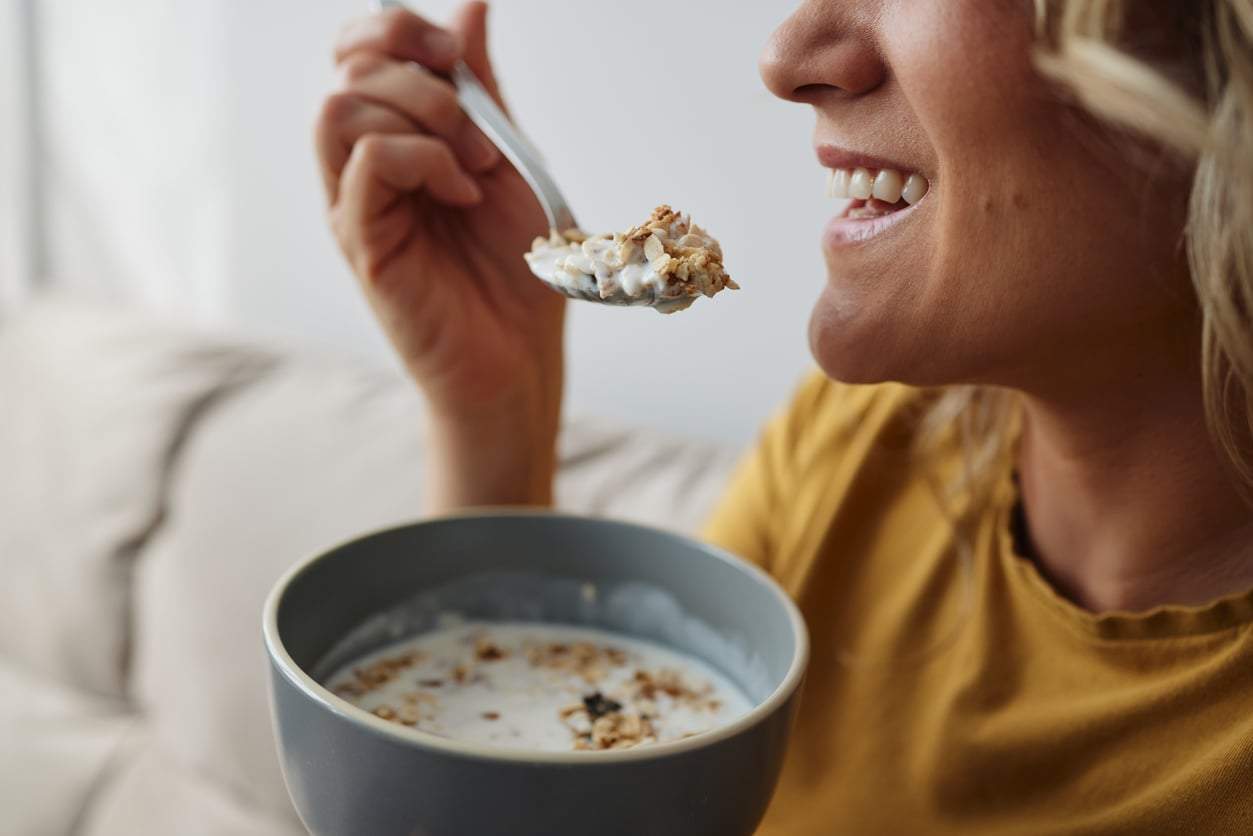
Apple Cinnamon Oatmeal
Breakfast matters for those managing insulin resistance, and apple cinnamon oatmeal is a filling, energizing choice. Oats, especially whole grain, provide slow-absorbing carbs that help stabilize blood sugar.
Ingredients: 100 g oats, 1 large apple, 1 teaspoon cinnamon, 200 ml almond milk, 1 tablespoon honey or maple syrup, a pinch of salt.
Preparation: Cook the oats in almond milk, grate in the apple, then add cinnamon and honey. Simmer gently, stirring constantly until thickened. Finish with a pinch of salt and serve.
Zucchini Spaghetti with Pesto Sauce
For pasta lovers managing insulin resistance, zucchini spaghetti is a game-changer. It’s a low-calorie, vitamin-rich alternative that perfectly replaces traditional pasta.
Ingredients: 3 medium zucchinis, 100 g fresh basil, 50 g Parmesan cheese, 50 g pine nuts, 2 garlic cloves, 60 ml olive oil, salt, pepper.
Preparation: Spiralize the zucchini into spaghetti shapes using a vegetable peeler or spiralizer. Blend basil, Parmesan, pine nuts, and garlic into a pesto sauce with a hand blender. Cook the zucchini noodles briefly in lightly salted water, drain, and toss with the pesto.
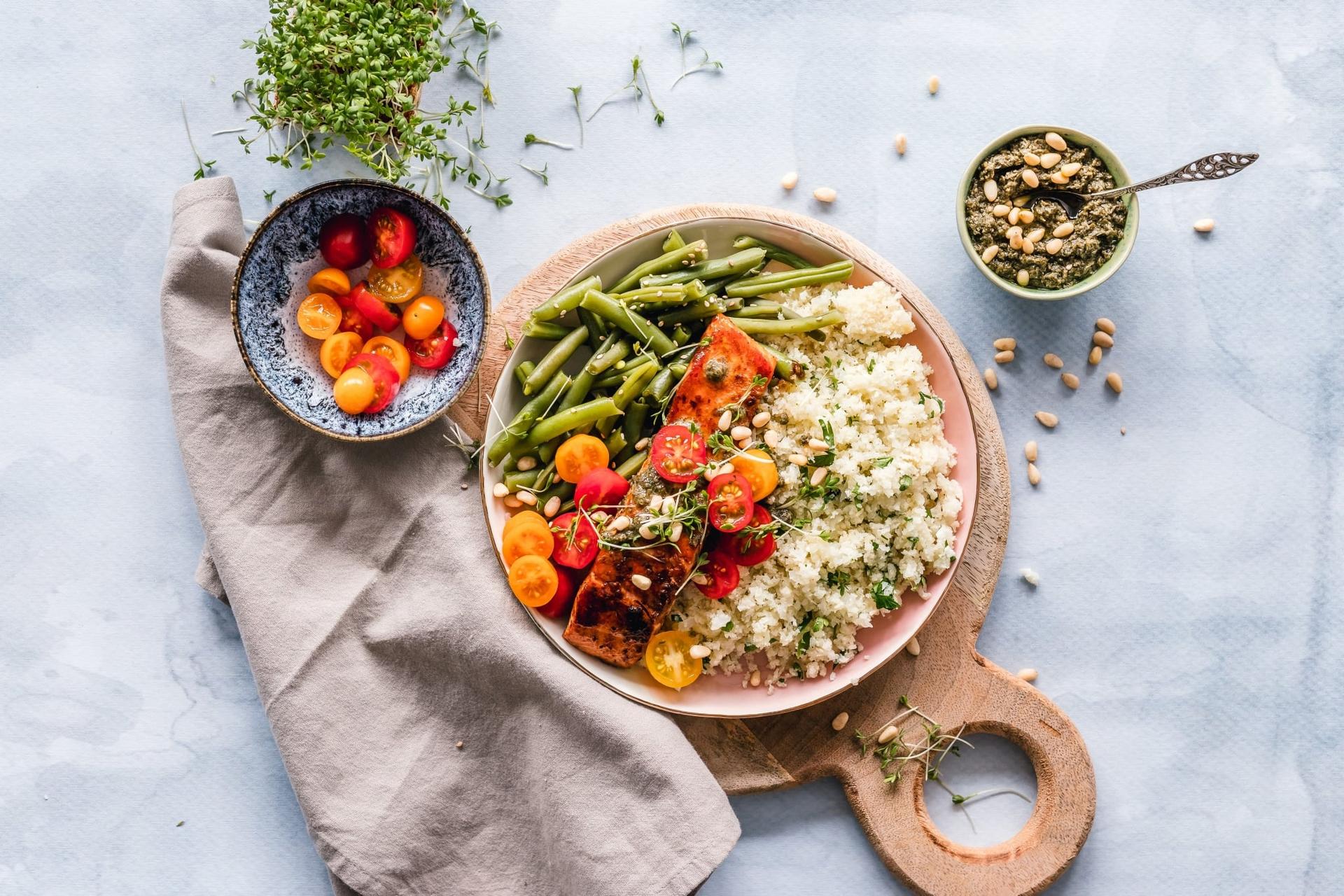
Chicken Salad
This salad is not only satisfying but also bursting with flavor. Low glycemic veggies like carrots and cabbage combined with lean chicken breast make it a perfect insulin resistance-friendly meal.
Ingredients: 200 g chicken breast, 2 carrots, 1 small cabbage, 1 red bell pepper, 1 tablespoon soy sauce, 1 tablespoon rice vinegar, 1 teaspoon honey, 2 tablespoons olive oil.
Preparation: Cut the chicken breast into strips and sauté in olive oil. Julienne the vegetables and place them in a bowl. Add the chicken and toss with a dressing made from soy sauce, rice vinegar, and honey.
These meals not only support insulin resistance management but also help with weight control and make healthy eating a joyful experience. Exploring diverse recipes lets us discover new flavors while caring for our health and metabolism.