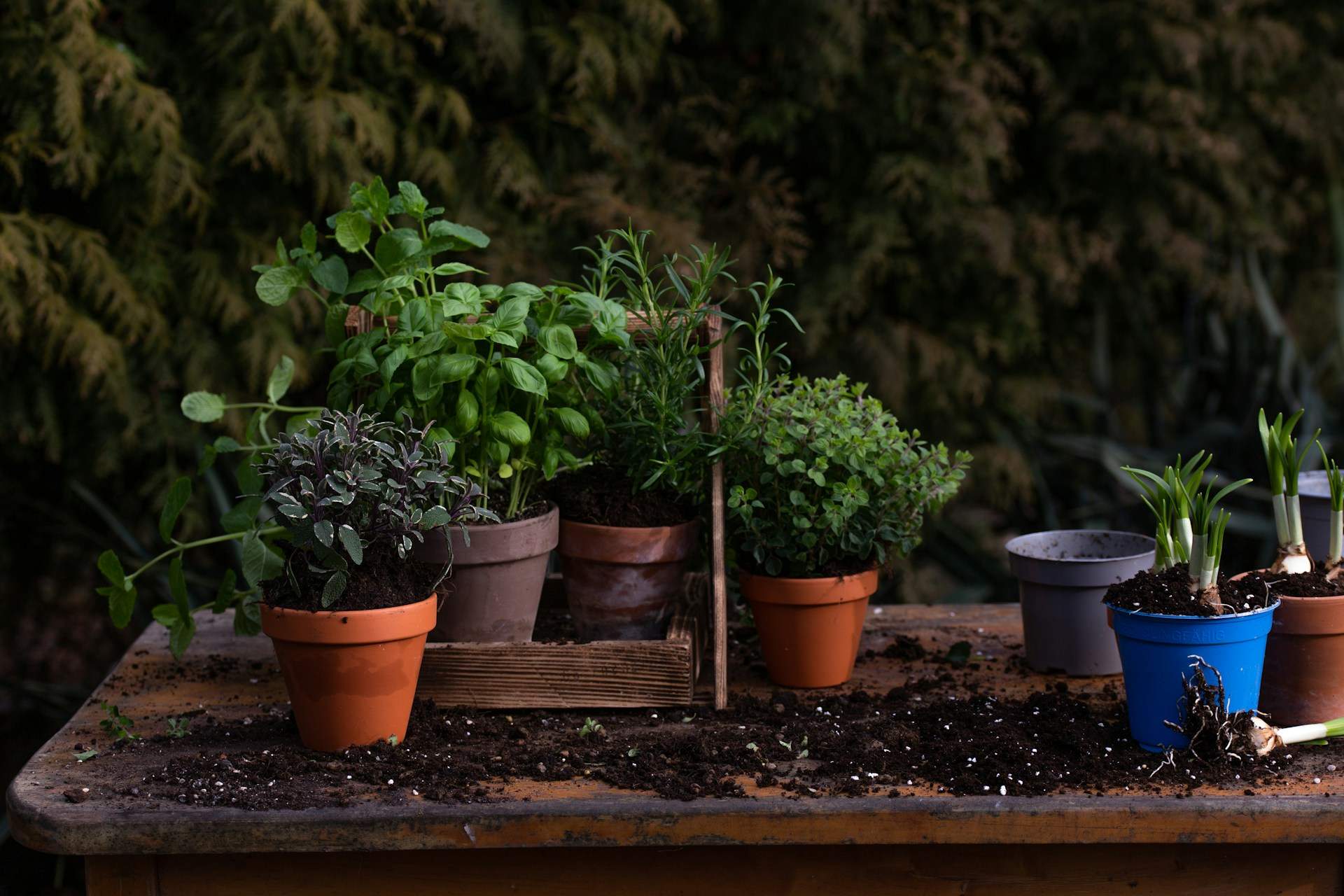
A fragrant herb garden does more than elevate your cooking — it brings a quiet sense of calm to your daily life. But not all herbs are created equal. Some practically grow themselves, while others will test your patience from the very first week. Here's an honest ranking of popular garden herbs by how much care they actually demand.
Oregano — the sensitive sun-lover
Oregano is a staple of Mediterranean cooking and a firm favourite among home gardeners — but it does have one major weakness: it absolutely cannot stand overwatering. Good drainage is non-negotiable. The soil should be loose and slightly gritty so water flows through quickly rather than pooling around the roots.
After flowering, oregano tends to sprawl and lose its shape, so regular trimming is essential to keep it compact and encourage fresh new growth. The good news? It handles light frosts well, making it a solid choice for temperate climates.
Rosemary — beautiful but demanding
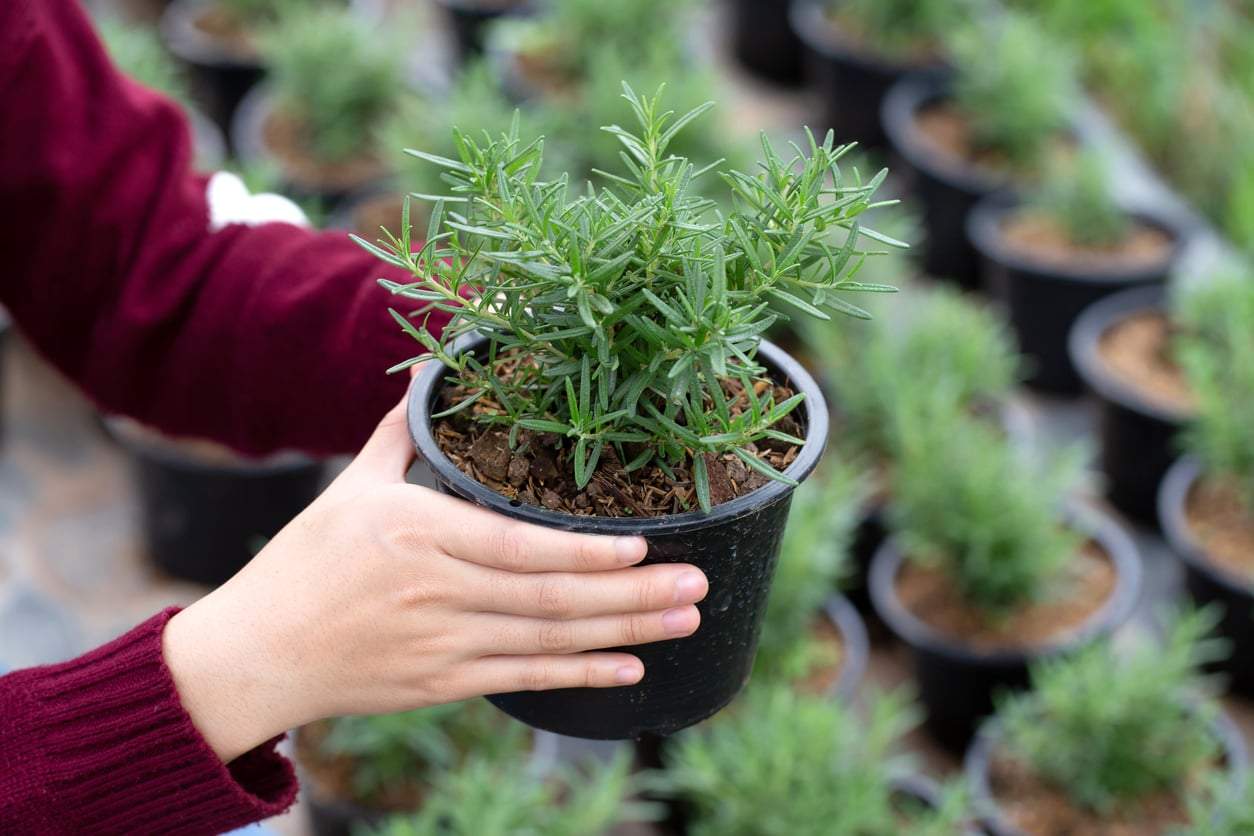
Few herbs are as striking as rosemary — elegant, intensely aromatic, and almost architectural in appearance. But that beauty comes with conditions. Rosemary hates a combination of cold and damp, which can quickly turn fatal. It needs a sunny, sheltered spot where the soil dries out fast after rain.
A layer of mulch can help protect its sensitive roots from frost. Get the conditions right — minimal watering, plenty of sun, and regular pruning — and rosemary is surprisingly low-maintenance. In harsh winters, it's happiest brought indoors to a bright, frost-free space.
Purple basil — a showstopper that needs attention
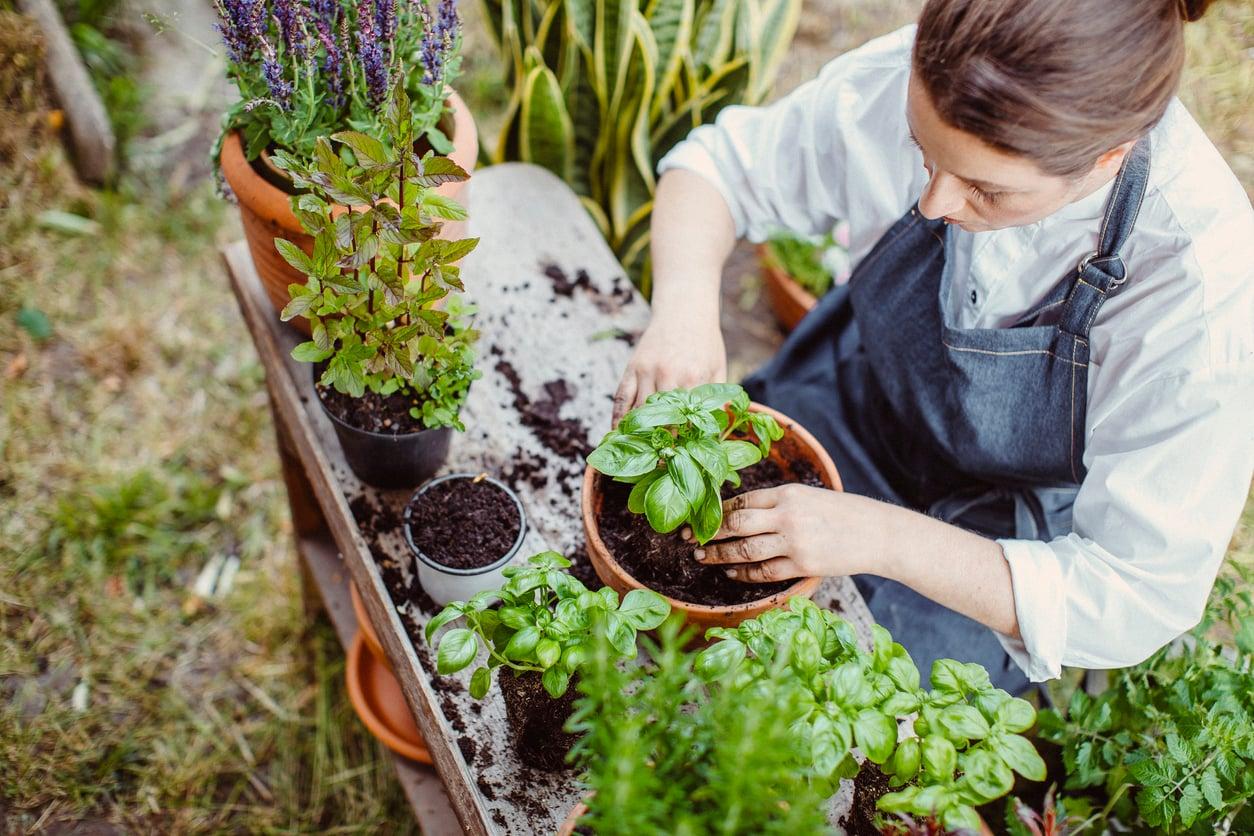
Purple basil turns heads in any garden. Its deep violet leaves and subtle peppery scent make it as decorative as it is delicious. That said, it's not the easiest herb to keep happy. It loves warmth and full sun, but it should never be allowed to dry out completely.
Regular watering is key — especially during hot spells — but avoid waterlogging at all costs, as standing water damages the roots. In the first few weeks after planting, keep the soil loose and weed-free to give it the best possible start.
Parsley — the everyday herb with hidden demands
Parsley is a kitchen essential that most of us take for granted — but it actually requires more care than it looks. Sow seeds in spring into sandy, nutrient-rich soil, and make sure it gets plenty of sunlight.
Parsley doesn't tolerate drying out, so consistent watering is a must. Harvest regularly — trimming every few days encourages continuous fresh growth. One thing to avoid: over-fertilising. Too many nutrients dull the flavour and cause the leaves to lose their vibrant colour.
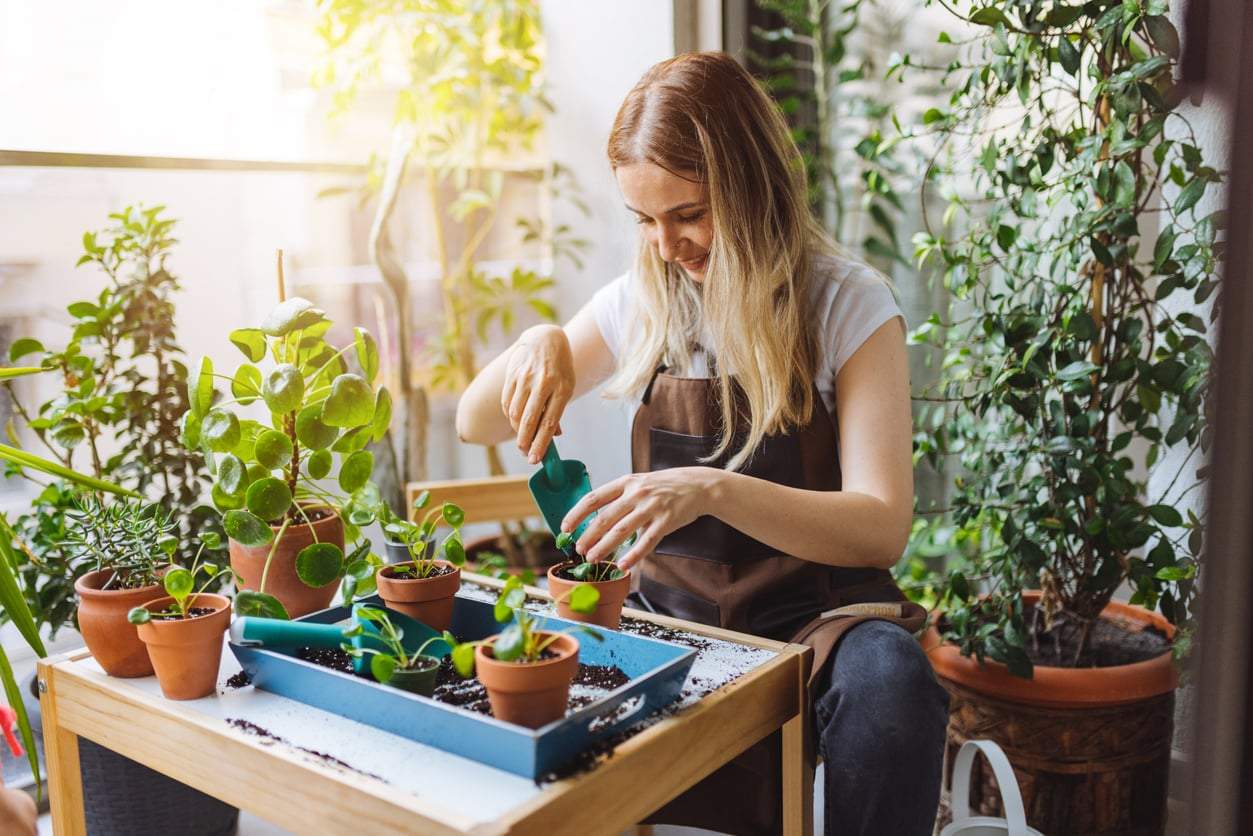
If you're building a kitchen herb garden from scratch, this guide to a mini herb garden on your countertop is a great place to start.
Mint — the one that takes over
Mint is famously vigorous — perhaps a little too vigorous. Its biggest challenge isn't keeping it alive; it's keeping it contained. Planting mint in a pot or a buried container is strongly recommended, otherwise it will happily spread across your entire garden bed.
It prefers partial shade and a cooler spot compared to most herbs, and while it's thirsty, it won't tolerate waterlogged soil. Water regularly but don't overdo it. Both the leaves and the roots carry that familiar refreshing aroma — and the leaves are endlessly versatile, from teas to cocktails to desserts.
Marjoram — the best friend of busy gardeners
If you don't have much time to spend in the garden, marjoram is your herb. It asks for very little and gives back a lot. It grows in almost any well-draining soil as long as it gets enough sun, and it's remarkably forgiving of neglect.
That said, occasional trimming does matter — left unpruned, marjoram loses some of its essential oil content and becomes less aromatic. Its seeds can be slow to germinate, so buying young starter plants in spring is usually the easier route.
Thyme — the wild one that practically looks after itself
Thyme is arguably the most effortless herb you can grow. It thrives in sunny, dry conditions, needs almost no watering once established, and produces charming little flowers that pollinators adore. Left to bloom freely, it creates a wonderfully wild, cottage-garden feel.
Leave a few longer stems in place — they're important for the plant's natural regeneration. Thyme also self-seeds readily, spreading gently on its own, which makes it both decorative and delightfully low-effort.
Whether you're a seasoned grower or just starting out, there's an herb on this list for every level of commitment. Start with thyme or marjoram if you want quick wins — and work your way up to rosemary when you're ready for the challenge. The reward of cooking with herbs you've grown yourself makes every bit of effort worthwhile.