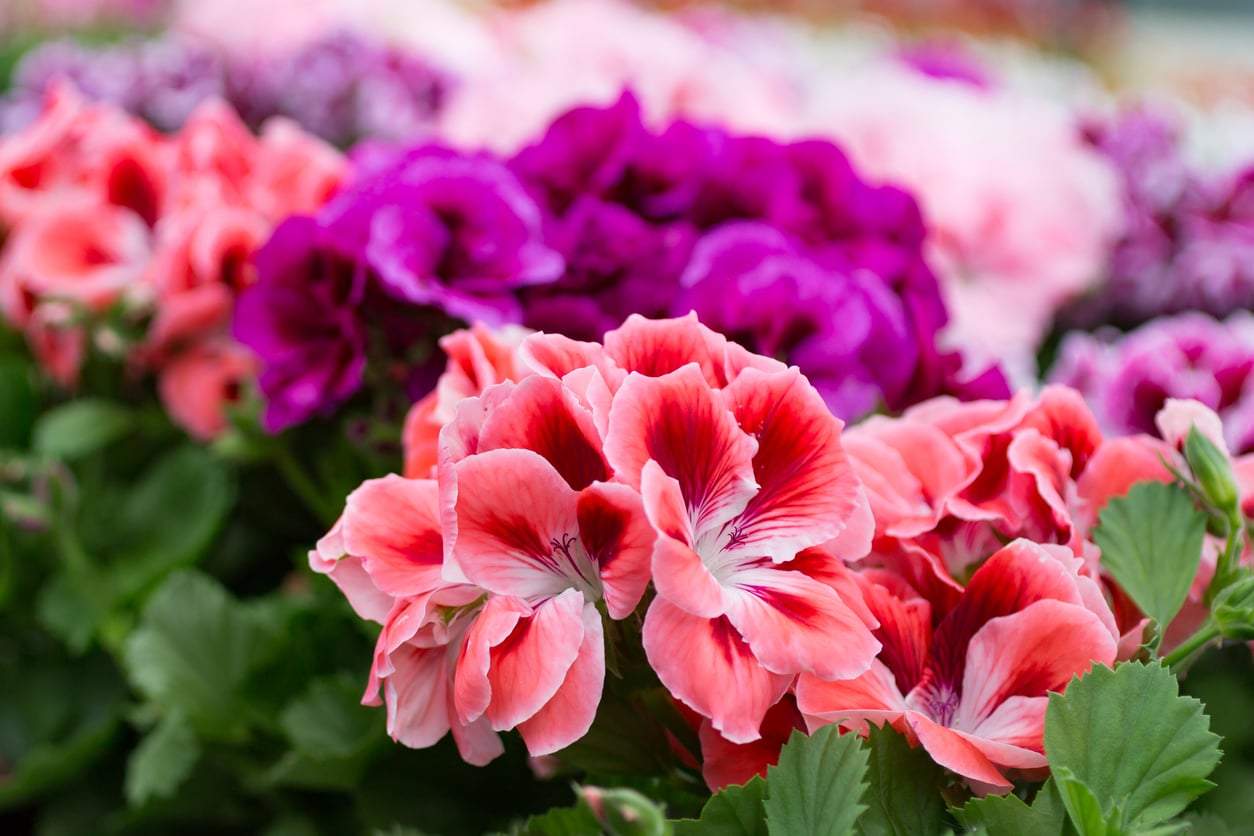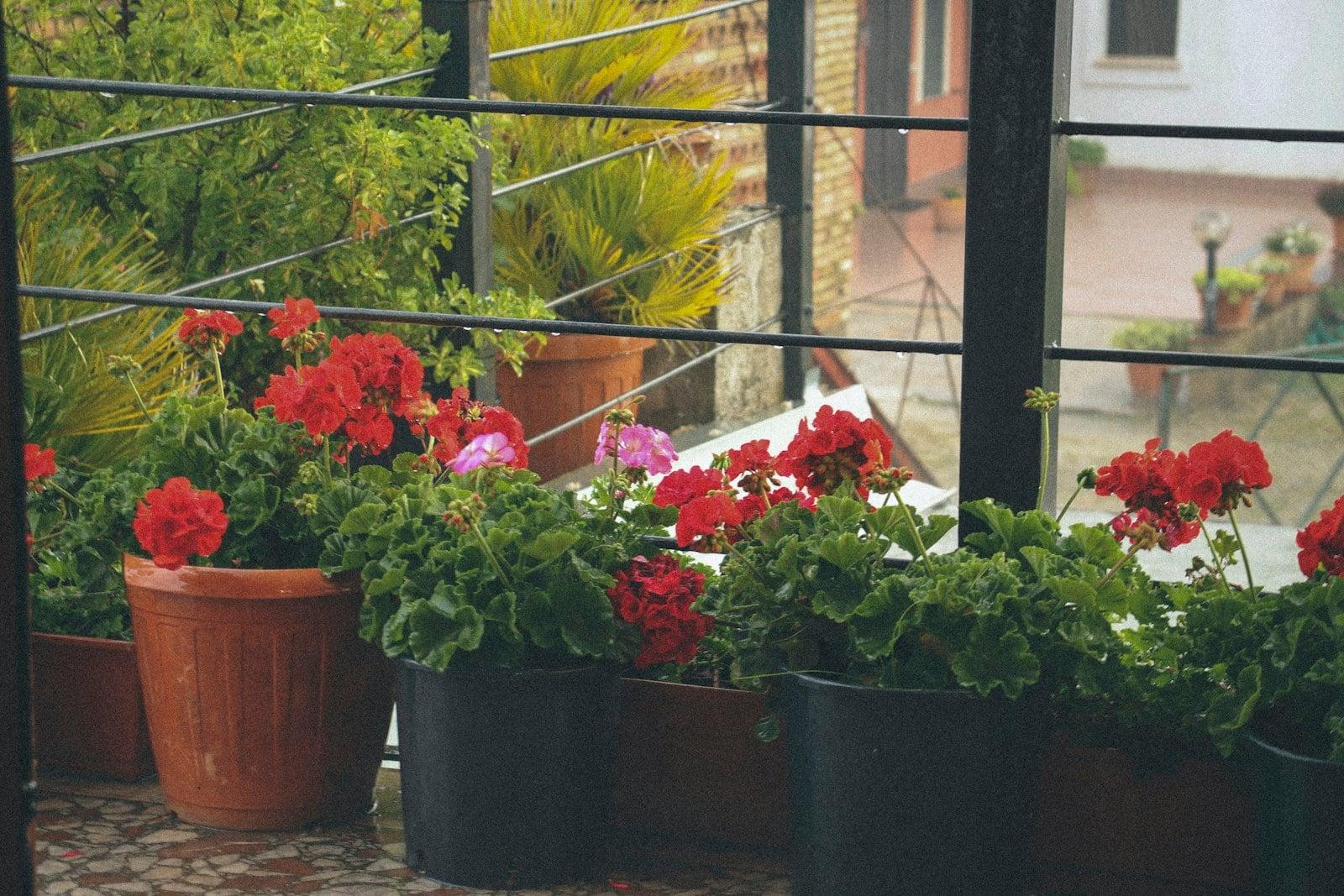
Geraniums are the divas of the summer balcony. One weekend they're bursting with color, and the next, after a single scorching day, they droop as if punishing you for daring to relax. Here's something most people don't realize: that half-cold cup of coffee sitting on your kitchen counter doesn't have to go down the drain.
Used wisely, it might be exactly what your geranium needs to keep blooming for weeks.
Why geraniums respond so well to coffee
Coffee is slightly acidic, and geraniums love loose, gently acidic soil that drains well. Coffee grounds also hold on to a little nitrogen, potassium and phosphorus — the very minerals that keep leaves green and flowers going strong.
When a plant gets those nutrients, it simply has more energy to spare. Instead of just surviving the day's heat, it has enough left over to keep its blooms alive and vivid.
How to pour it on the right way
The golden rule: never pour hot, thick or sweetened coffee onto your geranium. Dilution is everything.
- Mix your leftover, cooled black coffee with roughly the same amount of water.
- Pour it around the edge of the soil, not directly onto the stem or the leaves.
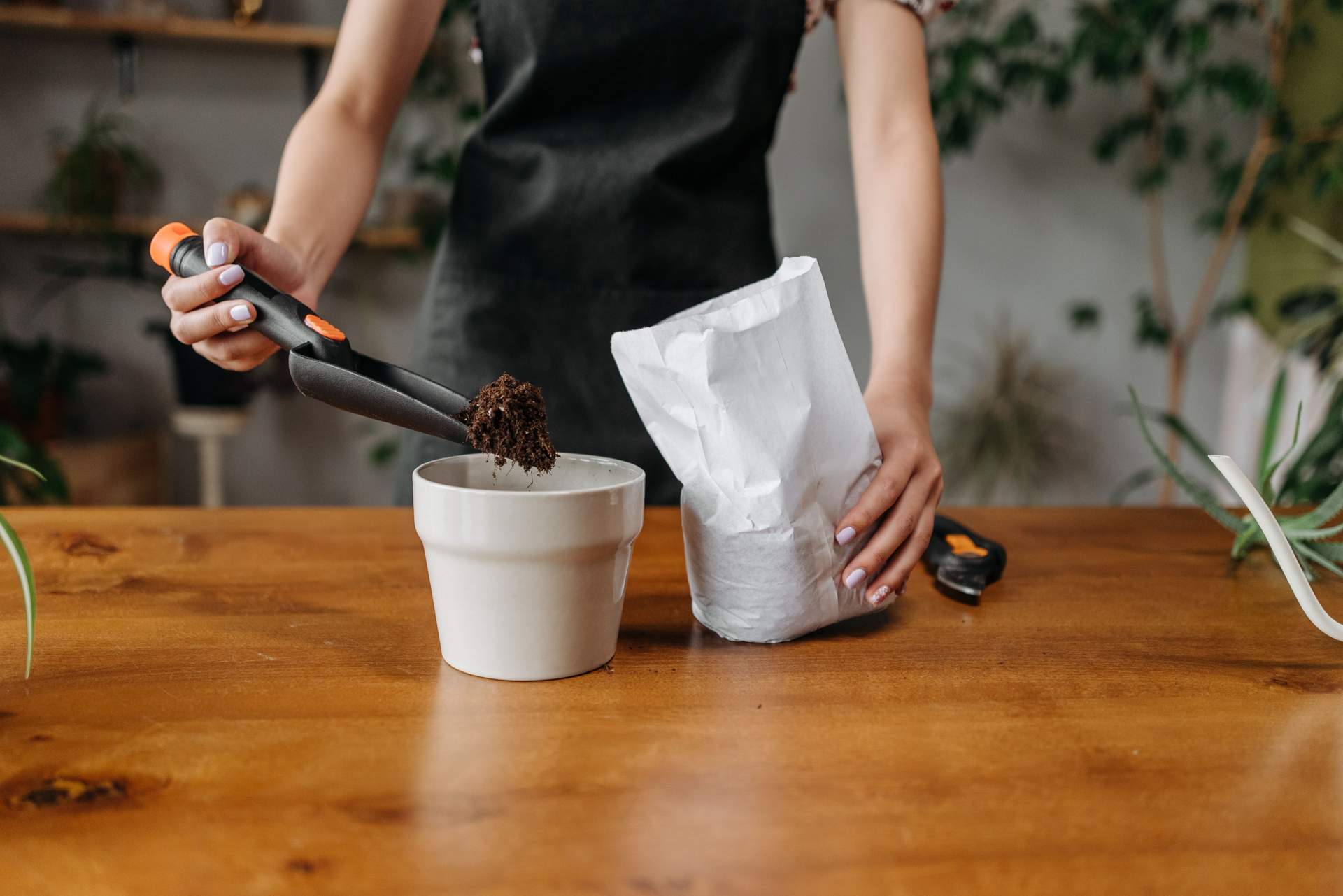
- Don't dump coffee grounds in a pile — work a thin layer into the top of the soil instead.
Anyone who has ever drowned a pot in strong, undiluted coffee knows the aftermath: the soil hardens, and water just runs straight off without soaking in. That's the telltale sign you overdid it, and at that point coffee harms more than it helps.
Coffee isn't a miracle — it's just a small boost. The real secret to lasting blooms is that quick little routine we're willing to give them.
If you're looking for more low-effort ways to keep your balcony thriving, our guide to heat-tolerant flowers for a sunny balcony is worth a read.
When and how often to do it
Aim for once or twice a week, not every day. Geraniums dislike constantly soggy soil, and coffee can actually make the soil hold on to moisture longer if you use it too often.
On the hottest summer days, save this little ritual for the evening, when the sun no longer hits the pot directly. That way the roots can quietly soak up exactly what they need.
Other terrace plants love it too
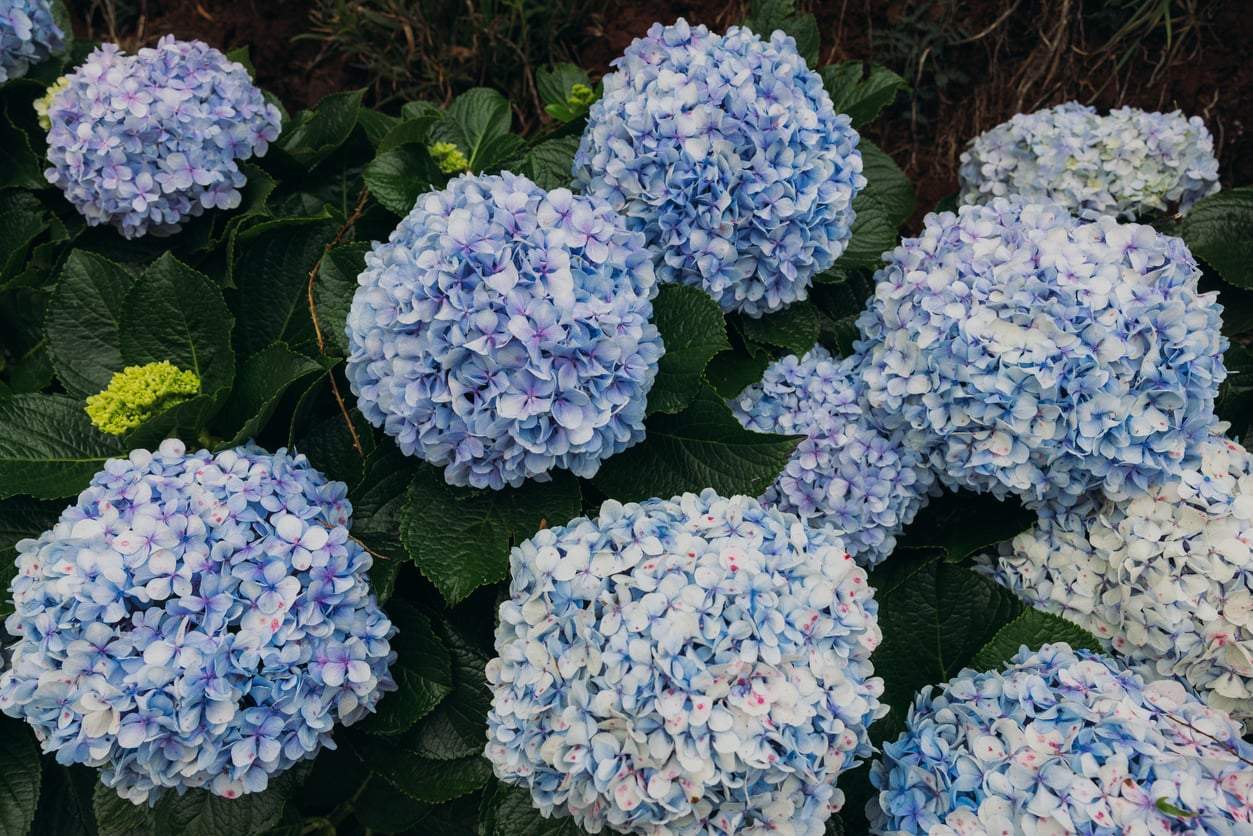
Geraniums aren't the only ones that benefit from diluted coffee and used grounds. Hydrangeas, azaleas and rhododendrons all enjoy more acidic soil and respond in much the same way to the nutrients coffee delivers.
Gardeners often mention sprinkling coffee grounds around tomato plants and rose bushes as well — though with those, it's smart to go even easier on the dose.
What to watch out for so it doesn't backfire
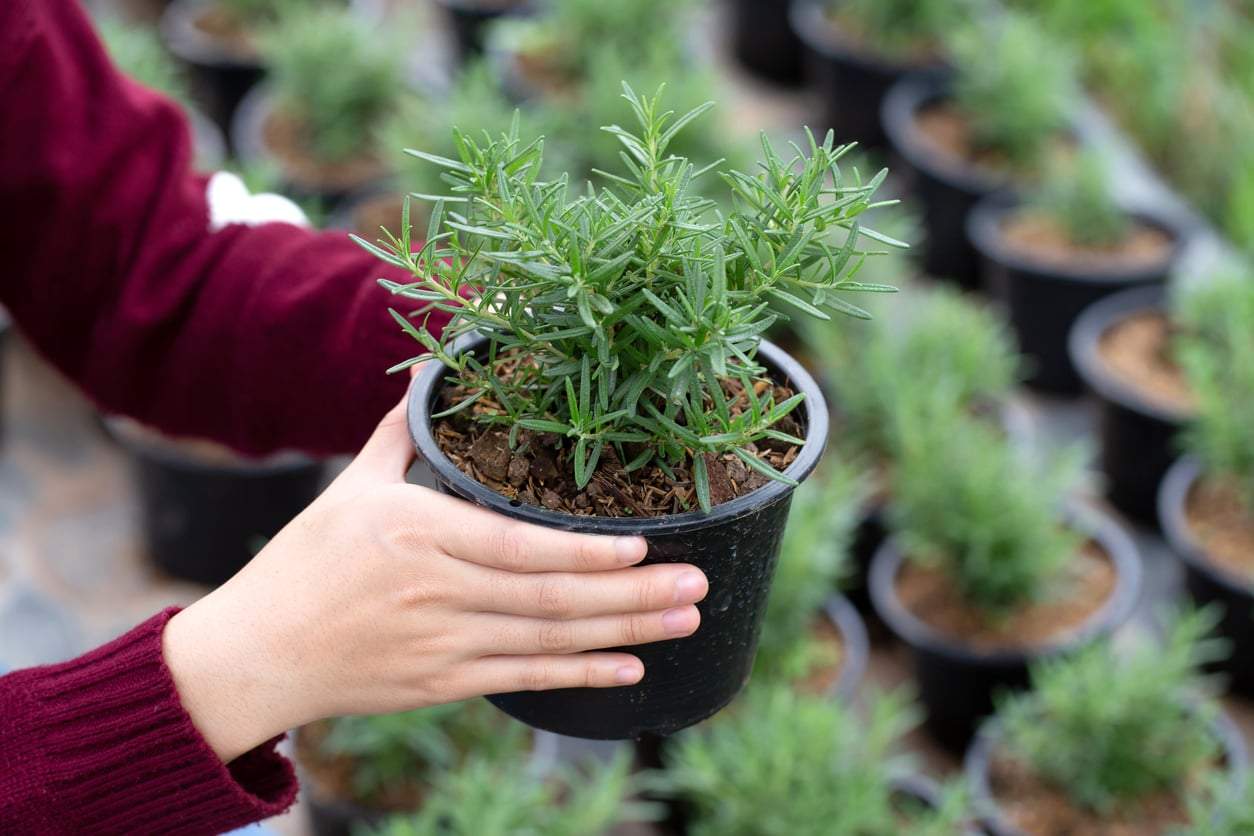
Not every plant appreciates a more acidic environment. Lavender and rosemary, for example, won't thank you at all for a coffee treatment.
Even with geraniums, moderation is what matters: a teacup of diluted coffee is plenty for a medium potted plant — there's no need to think in liters. And if you notice the leaf edges starting to turn brown, skip it for a week or two and go back to plain water.
Can I use coffee grounds and liquid coffee on the same plant?
Yes. You can mix a thin layer of used grounds into the top soil and separately water with diluted, cooled coffee. Just keep both in moderation so the soil doesn't harden or stay soggy.
How much diluted coffee is safe for one plant?
About a teacup of diluted coffee is enough for a medium potted plant. There's no need to use large amounts — more coffee doesn't mean more blooms.
Which plants should never get coffee?
Plants that prefer non-acidic soil, such as lavender and rosemary, don't do well with coffee. Stick to plain water for those.
What if the leaf edges start turning brown?
That's a sign you've given too much. Pause the coffee for a week or two and return to regular watering until the plant recovers.