You spend time out there. You buy new plants. You water regularly. And yet — something is off, and you can't quite put your finger on it. The truth is, it's rarely one big mistake. It's usually a handful of small habits that quietly add up, and almost every gardener is guilty of at least a few of them.
You plant too much at once
This is the most common garden planning mistake there is. Spring arrives, enthusiasm kicks in, and the garden center makes everything look irresistible. You come home with far more plants than you planned — and then you have to find somewhere to put them all.
The result? Overcrowded beds where plants suffocate each other, competing for light, air, and root space. A garden rarely looks better because there's more in it. More often, it's the opposite: a few well-placed plants will always look more intentional and polished than a jam-packed border.
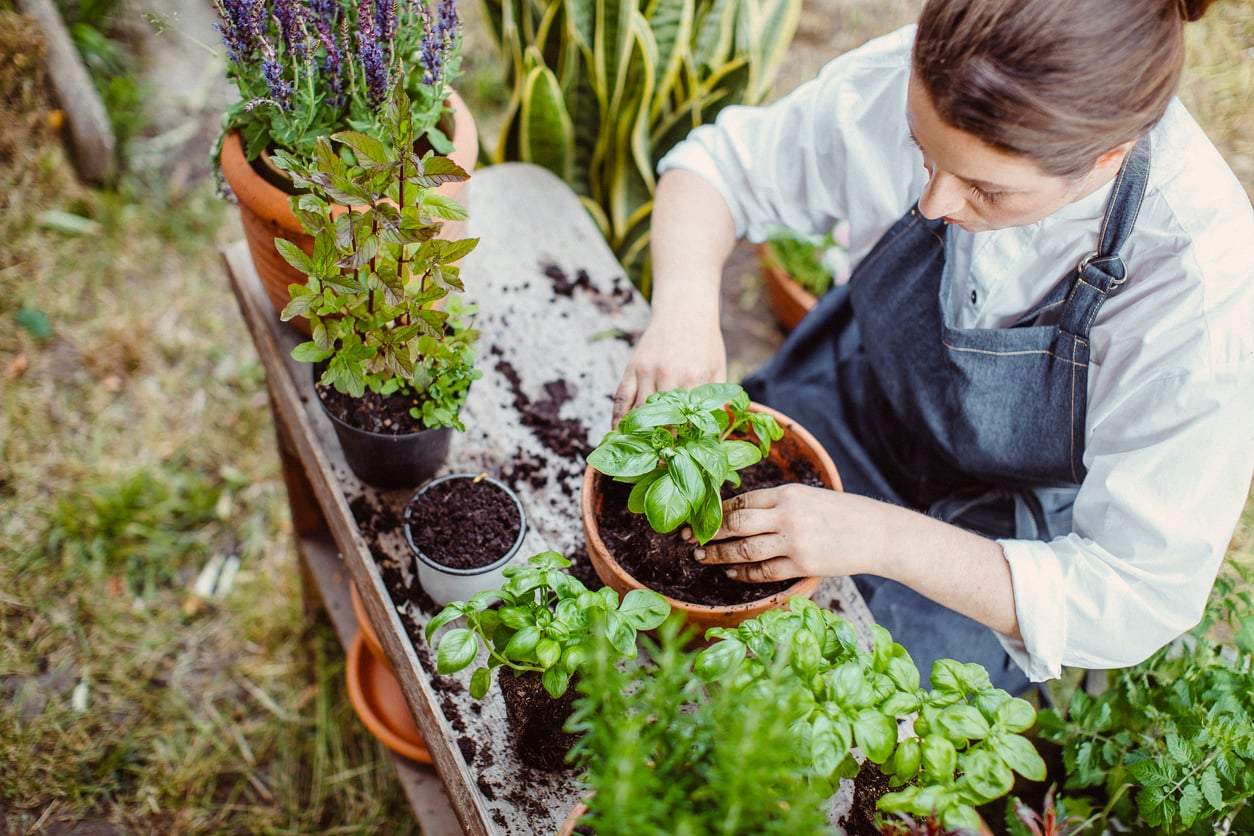
You focus on the plant and forget the soil
Most gardeners obsess over the plants themselves and completely overlook what they're planting into. But soil quality determines almost everything — how well a plant grows, how efficiently it absorbs water, how resistant it is to disease.
If your soil is compacted, nutrient-poor, or drains badly, even the most attentive care won't make your plants truly thrive.
Loosen the soil once a year and enrich it with compost. That single step will do more for your garden than any expensive fertilizer or pesticide ever could.
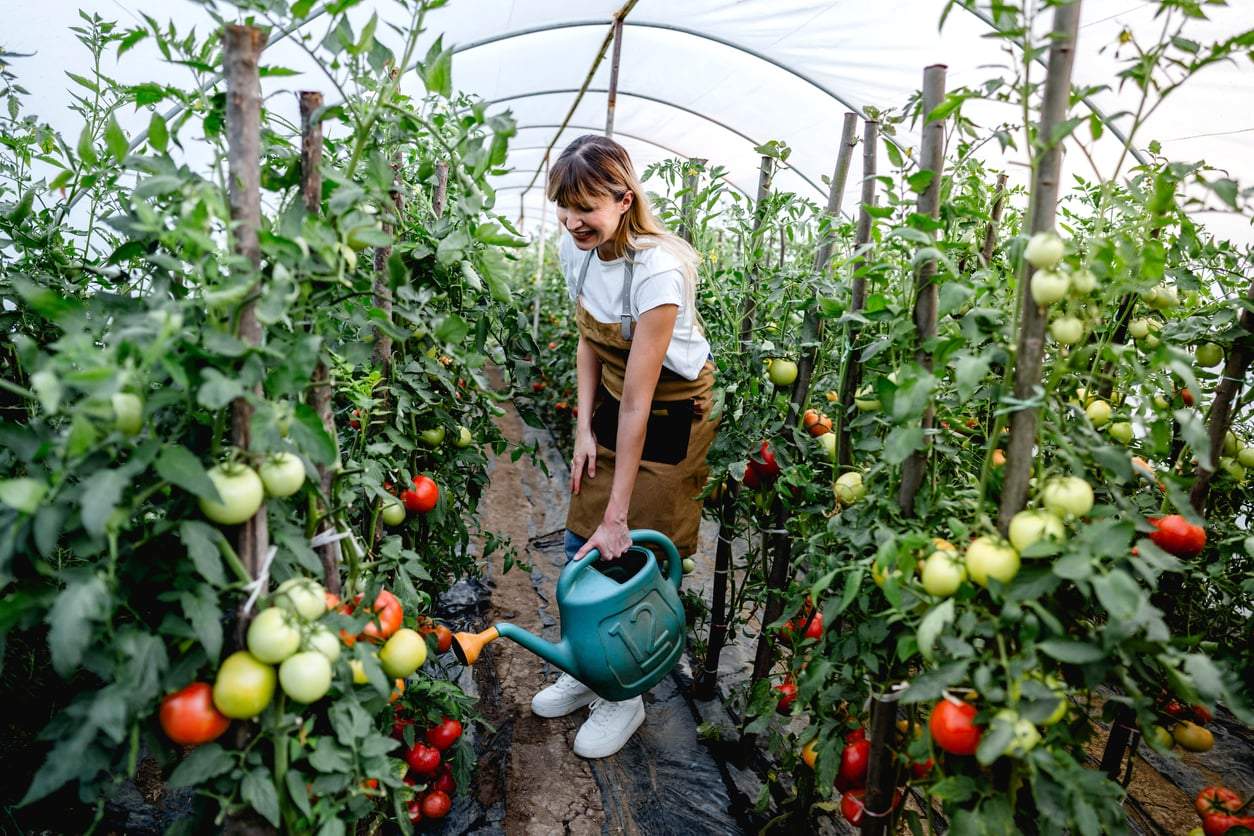
You're watering at the wrong time of day
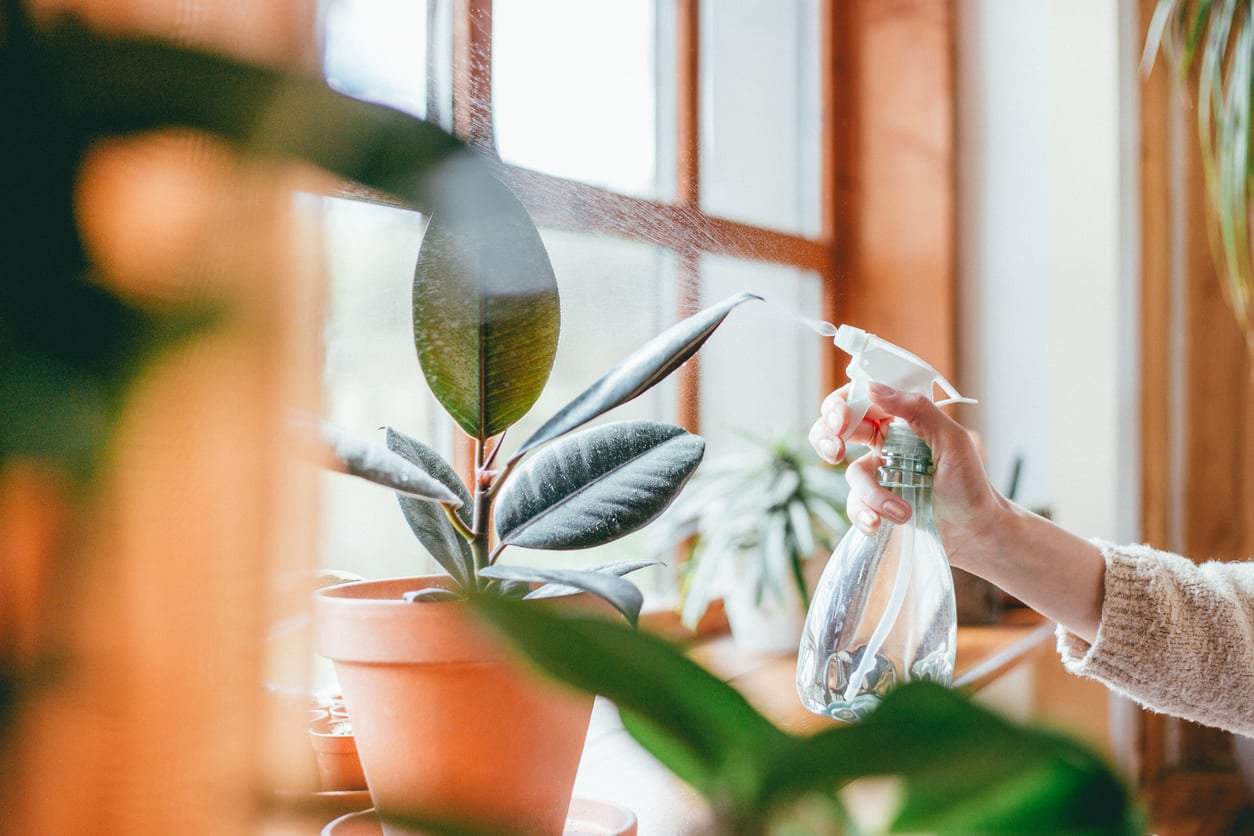
Watering at midday is one of the most common — and most damaging — habits gardeners have. In full sun, water evaporates before it ever reaches the roots. Worse, droplets sitting on leaves can act like tiny magnifying glasses and cause scorch marks.
Morning is the best time to water. Plants get a full day's supply of moisture, leaves dry out quickly in the morning air, and you significantly reduce the risk of fungal disease. Evening watering isn't ideal either — damp soil and wet foliage overnight create the perfect conditions for mold and pests.
You're afraid to prune
A lot of gardeners avoid pruning out of fear. What if you cut something you shouldn't have? So they leave it alone — and the result is overgrown, shapeless shrubs and trees that flower less, produce less fruit, and look increasingly wild and unkempt.
Pruning isn't damage — it's one of the most important things you can do to keep a plant healthy and well-shaped. Most shrubs and perennials need it regularly, and when done at the right time, they reward you visibly and quickly.
You only plan for summer
Many people design their garden with only the summer peak in mind. It looks stunning in July — but by September, it's bare and dull. A well-thought-out garden offers something in every season.
If your garden only performs for a few weeks of the year, it will look empty and neglected for the rest of it — even if you've been caring for it perfectly. Think about what's blooming in spring, what holds structure in autumn, and what adds interest in winter.
You mix up sun and shade requirements
This is a small detail that's easy to overlook — and then people are baffled when their plants refuse to thrive. Planting a shade-lover in full sun, or a sun-seeker in a shady corner, leads to slow decline. The plant won't die overnight, but it will gradually weaken, lose its color, stretch awkwardly, and rarely flower.
Before you buy anything, observe which beds get sun and when — then choose plants to match, not the other way around.
You leave the weeding too late
Everyone puts off weeding because it feels tedious and never-ending. But the problem is that weeds multiply exponentially. What you skip one week takes four times the effort the next.
A tiny, freshly sprouted weed can be pulled in seconds. A deep-rooted weed that's already gone to seed? That's a much bigger job — and it's already scattered next year's problem across your beds.
Little and often is always easier than rare but brutal weeding sessions. Ten minutes every few days will keep your garden under control far more effectively than a once-a-month blitz.