Most of us toss shredded paper straight into the recycling bin without a second thought. But those thin strips coming out of your document shredder? They could be doing something genuinely useful — right in your garden. Paper is made from natural plant fibers, which means it breaks down in soil, improves its health, and can even help keep weeds at bay. Here's how to make the most of it.
Which types of paper are safe to use?
Not all paper is created equal when it comes to garden use. The good news is that the most common types are perfectly fine.
Plain newspaper, brown kraft paper, and standard white office paper are generally all suitable for garden use. The inks used on non-glossy paper are typically plant-based, making them safe to compost or use as mulch.
Avoid glossy paper, colorful promotional flyers, and envelopes with plastic windows — these can contain heavy metals or synthetic coatings that you don't want in your soil. Shiny cardboard is also best left out.
White office paper is usually bleached with chlorine dioxide, which is far less harmful than older bleaching methods and breaks down quickly in soil. Some manufacturers even use totally chlorine-free processes. That said, if you're growing edible crops and still feel uncertain, stick to unbleached, natural paper to be safe.
Use it in your compost bin
Composting is one of the best ways to put shredded paper to work. Paper is a carbon-rich "brown" material, and a well-balanced compost pile needs plenty of it. The ideal ratio is roughly 25–30 parts brown material (dried leaves, paper, wood chips) to 1 part "green" material (fresh grass clippings, vegetable scraps, fruit peels).
Because it's already shredded into small pieces, paper breaks down faster than whole sheets or cardboard. If you want fast results, fill your compost bin in one go, keep the mix about as moist as a wrung-out sponge, and turn it regularly to let oxygen in. With this active approach, you can have finished compost in as little as 4 to 6 weeks.
If you prefer a more hands-off method and don't turn or water the pile, passive composting will still work — it'll just take closer to 6 to 12 months. Either way, the shredded paper earns its place.
Spread it as mulch
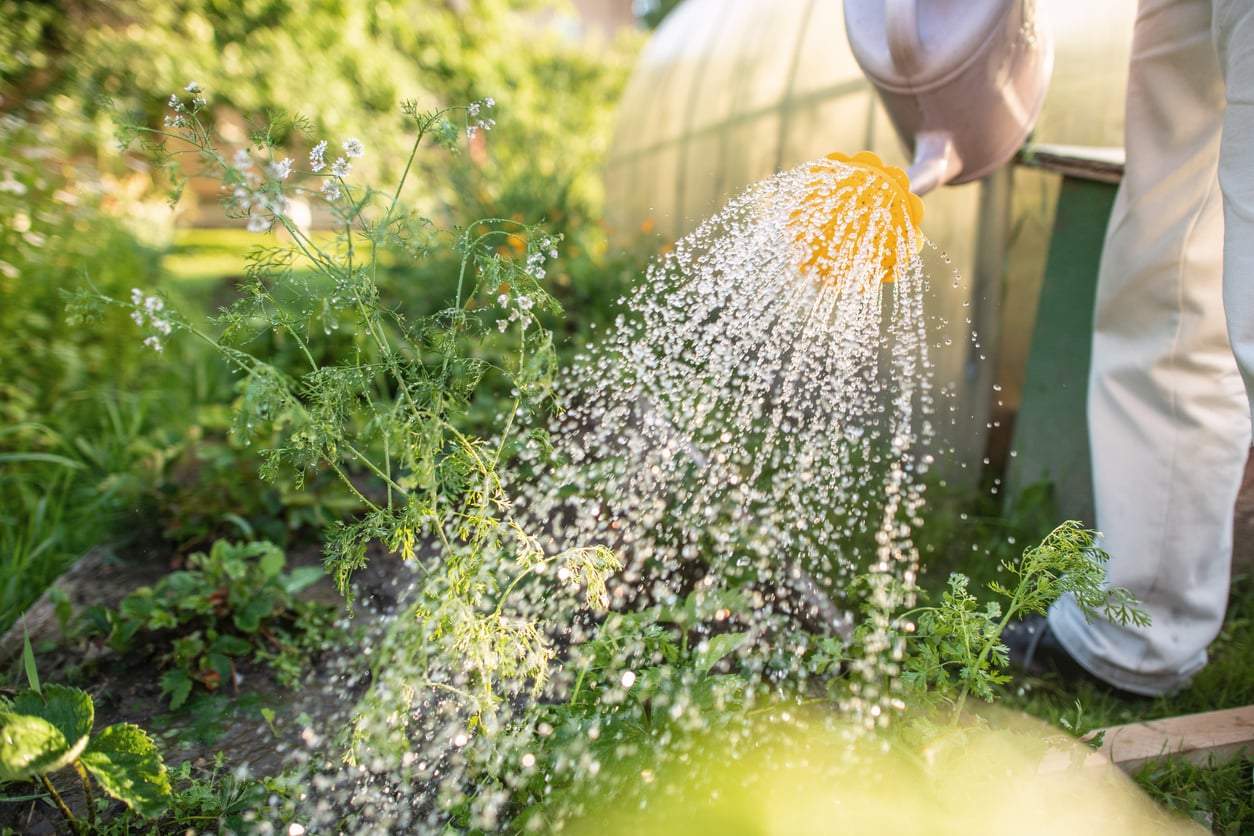
Shredded paper makes a surprisingly effective mulch. Spread a layer about 2 to 3 cm deep around your plants, then lightly water it down so it doesn't blow away in the wind.
A paper mulch layer helps the soil retain moisture and suppresses weed growth — two things every gardener appreciates. The one thing to watch is compaction: if the paper sheets clump together too tightly, they can form a water-resistant barrier that prevents rain and air from reaching the roots.
To avoid this and give your garden beds a tidier look, simply cover the paper layer with a thin topping of straw, dried leaves, or bark. This also boosts the insulating and moisture-retaining effect — a win on all fronts.
Store flower bulbs in it over winter
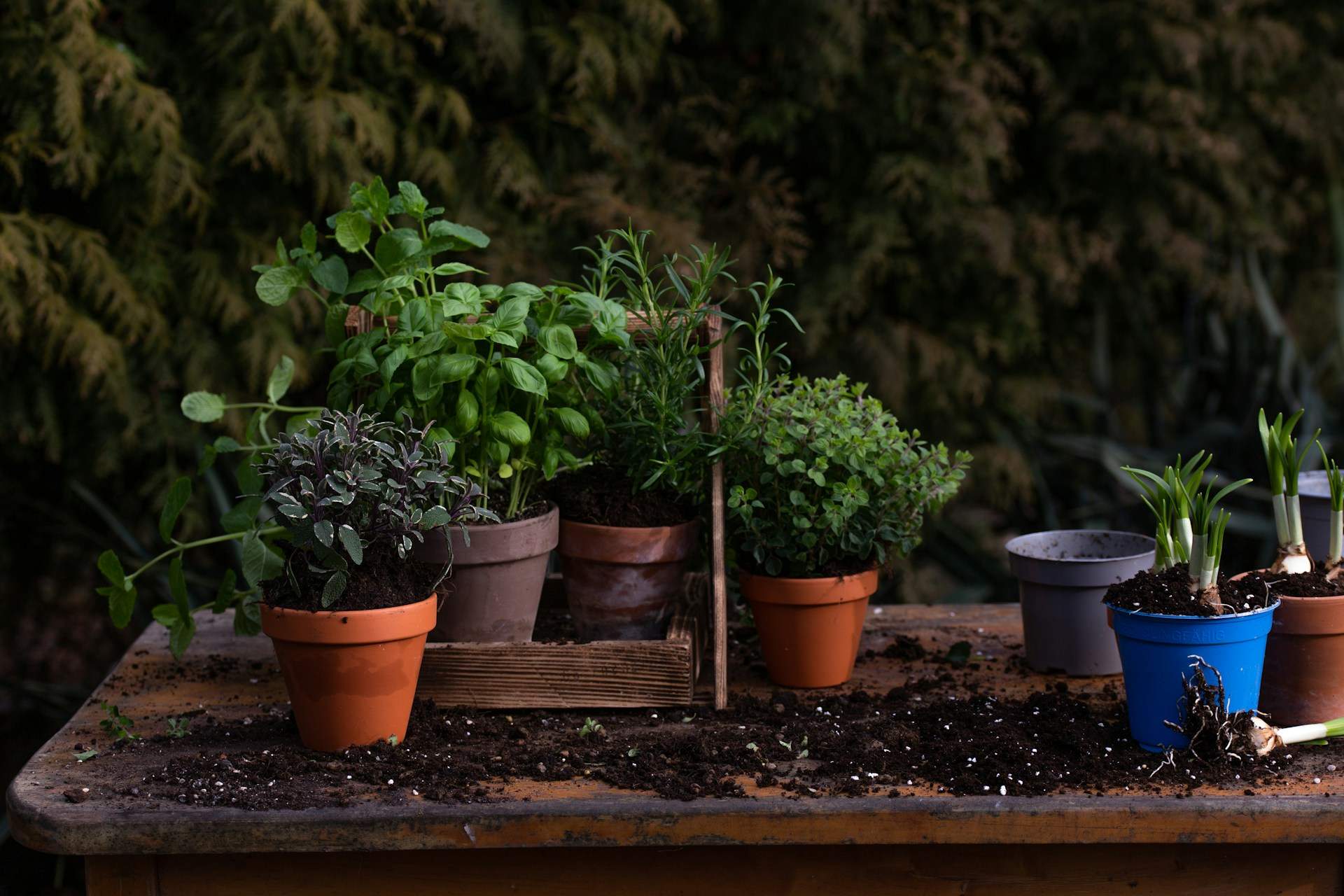
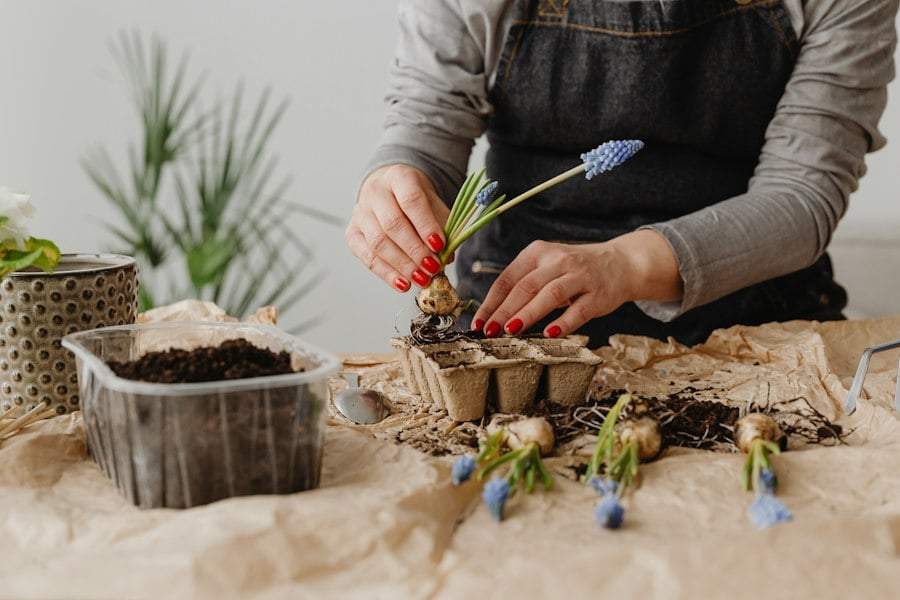
Here's a garden hack that often gets overlooked. Bulbs like tulips, daffodils, and hyacinths need to be stored somewhere cool, dry, and well-ventilated during their dormant winter period. Get this wrong and they rot or go moldy before spring even arrives.
Shredded paper is an ideal packing material for bulb storage. It regulates moisture, cushions the bulbs to prevent bruising, and takes up whatever space you have — a paper bag, a cardboard box, even a wooden crate.
Simply fill your container with shredded paper and nestle the bulbs inside, making sure they don't touch each other directly. Keep the storage spot well-ventilated — never seal it airtight, as trapped moisture will do real damage. An ideal temperature is between 5 and 10°C, such as a frost-free cellar, shed, or cool pantry.
A small habit with a big payoff
Next time your shredder spits out a pile of paper strips, resist the urge to bin them. With just a little thought, shredded paper becomes a genuinely useful garden ally — whether it's feeding your compost, protecting your soil, or keeping your bulbs safe through winter. It's one of those rare cases where being eco-friendly and being a better gardener are exactly the same thing.