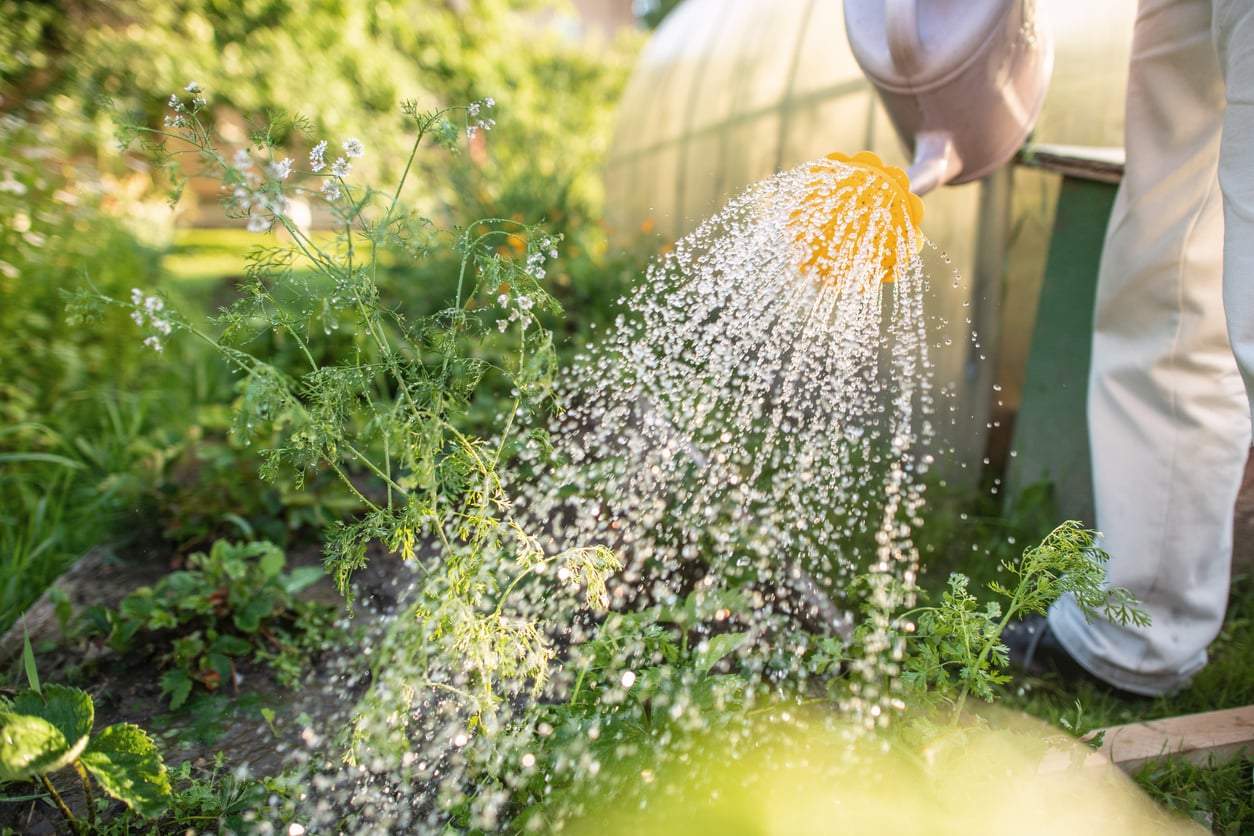
Most of us think of milk as a kitchen staple — something for your morning coffee, cereal, or baking. But that humble carton in your fridge might be hiding a secret life as a garden helper. More and more hobby gardeners are discovering that diluted milk can offer real, natural benefits for their plants — and the results are surprisingly convincing.
Milk contains calcium, proteins, and other organic compounds that, in small amounts, can support healthy plant growth. The key word here is diluted — too much undiluted milk can cause unpleasant odors and attract unwanted pests. Used correctly, though, it's a genuinely useful tool.
Here are five creative ways to put leftover milk to work in your garden, including methods recommended by gardening experts at Southern Living.
A natural defense against powdery mildew
Powdery mildew is one of the most common fungal diseases in the garden, and it's a persistent nuisance. Cucumbers, zucchini, squash, and roses are especially vulnerable — you'll recognize it by the chalky white coating that appears on the leaves and slowly weakens the plant.
A well-known trick among experienced gardeners is to spray plants with a solution of milk diluted in water. Research suggests that certain compounds in milk, when exposed to sunlight, trigger reactions that create an inhospitable environment for fungi.
It's not a miracle cure for severe infections, but used regularly during warm, humid periods, it can help keep your plants healthier and more resilient.
Extra calcium for your tomatoes
If you grow tomatoes, you've probably encountered blossom end rot — those dark, sunken patches that appear on the bottom of the fruit and ruin an otherwise perfect harvest.
The culprit is usually calcium deficiency or inconsistent watering. Since milk is a natural source of calcium, adding small amounts of diluted milk to the soil around your tomato plants can help boost calcium levels where they're needed most.
Consistent, even watering remains essential for preventing blossom end rot, but milk can be a useful and inexpensive supplement to your tomato bed care routine.
It can support a healthier soil ecosystem
One of the real secrets to a thriving garden is healthy, living soil. The microorganisms living underground break down organic matter, cycle nutrients, and support root development in ways that no synthetic product can fully replicate.
The organic compounds in milk can serve as a food source for beneficial soil microbes. Applied in small quantities to compost or raised bed soil, it may help stimulate biological activity and improve overall soil health.
As always, moderation is everything. Too much milk can throw off the soil's balance, create bad smells, and attract pests you definitely don't want around.
Shinier, cleaner leaves — indoors and out
Milk isn't just useful in the garden — it can also work wonders on your houseplants. Over time, dust and grime build up on leaf surfaces, dulling their appearance and reducing their ability to absorb light efficiently.
Dampen a soft cloth with diluted milk and gently wipe down the leaves. It lifts dust and gives the surface a natural, healthy shine — without any harsh chemicals.
After wiping with milk, go over the leaves once more with a clean, damp cloth to prevent any sticky residue from building up on the surface.
A sustainable, budget-friendly garden hack
One of milk's biggest advantages as a garden aid is that it's already in almost every household. Gardeners love it because it offers a simple, affordable, and natural alternative to commercial products for a range of everyday tasks.
Milk that's close to its expiry date — or no longer suitable for drinking — can often still be useful in the garden, which means less food waste and more value from something you'd otherwise throw away. It won't replace proper plant care or targeted fertilization, but as a complementary tool, it earns its place.
How to use it safely and effectively
Most gardening experts recommend always diluting milk with water before applying it — a common ratio is roughly one part milk to nine parts water. Concentrated milk, especially in warm weather, can smell unpleasant and do more harm than good.
It's also worth testing on a small area first to see how a particular plant responds. Milk is not a magic solution, but used thoughtfully, it can be a surprisingly versatile, natural ally in the garden. If you enjoy eco-friendly approaches and love experimenting with simple home remedies, this is one worth trying.