If dragging the hose around your garden every evening feels like a losing battle, there's a surprisingly simple fix. It doesn't need fancy tools, expensive systems or a green thumb — just a layer of the right material spread over your soil.
It's called mulching, and it's the closest thing gardeners have to a shortcut. It can cut your watering by up to two-thirds, and that's only where the benefits begin.
What exactly is mulching?
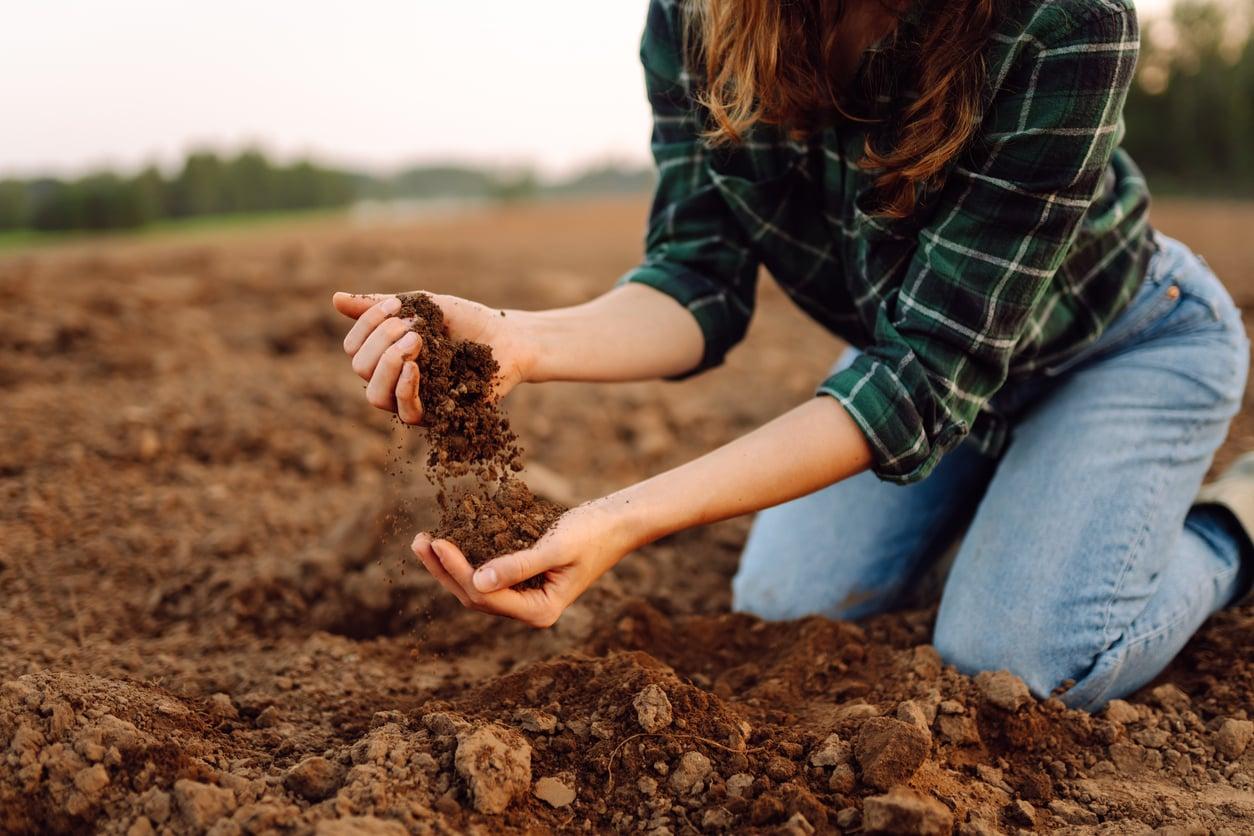
Mulching is simply the practice of covering the soil with a protective layer of natural or man-made material.
The most common choices are wood chips, grass clippings, peat or straw. This kind of soil cover helps suppress weeds, locks in moisture, and keeps the soil temperature steady through hot and cold spells alike.
How mulching saves you so much water
The most immediate payoff is obvious the first time you skip a watering: mulch can dramatically reduce how often your garden needs attention. By shielding the ground, it slows evaporation, so the moisture already in the soil stays put for much longer.
This is especially valuable during hot, dry summer months, when water supplies are stretched thin and every drop counts.
If you're rethinking your routine for the warmer season, it pairs perfectly with a few smart seasonal garden tasks that set the tone for the whole summer.
How to mulch the right way
Choosing the right material and applying it properly is what separates a thriving bed from a soggy mess. Aim to spread your chosen material in a layer roughly 5–10 cm thick (about 2–4 inches).
One golden rule: keep the material away from the base of your plants. Piling it against the stems can trap moisture and cause the roots to rot. Check the layer every so often, and top it up whenever it starts to thin out.
The bonus benefits beyond water
Saving water is the headline, but mulching quietly does a lot more. It protects your soil from erosion, which matters most during heavy downpours that would otherwise wash the topsoil away.
On top of that, a natural mulch layer breaks down over time, feeding nutrients back into the ground. That improves both the structure and the fertility of your soil — essentially free composting, happening on its own.
Don't overlook the good looks
A well-chosen mulch isn't just practical — it can genuinely elevate the look of your garden. Coloured wood chips or fine gravel can give beds and pathways a polished, finished feel, tying together the colours of your plants and the rest of your garden design.
Mulching isn't just a clever gardening trick. It's a sustainable way to enjoy a beautiful garden with far less water, effort and energy.
How much water can mulching actually save?
By slowing evaporation and keeping moisture in the soil, mulching can reduce how often you need to water — in many cases cutting your watering by around two-thirds.
How thick should the mulch layer be?
Aim for roughly 5–10 cm (about 2–4 inches). Just keep it away from the base of your plants so the stems and roots don't rot.
What materials can I use for mulching?
Popular options include wood chips, grass clippings, peat and straw. Coloured wood chips or fine gravel also work well when you want a more decorative look.
Does mulch need to be replaced?
Yes. Natural mulch breaks down over time as it feeds the soil, so check the layer regularly and top it up whenever it starts to thin out.